Cardboard Boxes and Rocks as Toys? Unleash Kids’ Creativity with Simple Materials

Cardboard Boxes and Rocks as Toys? Unleash Kids’ Creativity with Simple Materials
In a world where children’s toys often come with flashing lights, sound effects, and built-in storylines, handing a child a cardboard box or a handful of rocks might seem outdated. Yet, these simple materials can be powerful tools for sparking imagination, problem-solving, and independence. When play isn’t dictated by pre-set functions or rules, kids are free to invent their own worlds—and that’s where creativity truly thrives.
The Power of Imagination in Simplicity
Children have a remarkable ability to see possibilities in what adults might overlook. A cardboard box can become a spaceship, a grocery store, or a secret hideout. A rock can be a treasure, a magic potion, or part of a game only the child understands. When materials don’t come with instructions, play becomes open-ended and full of discovery.
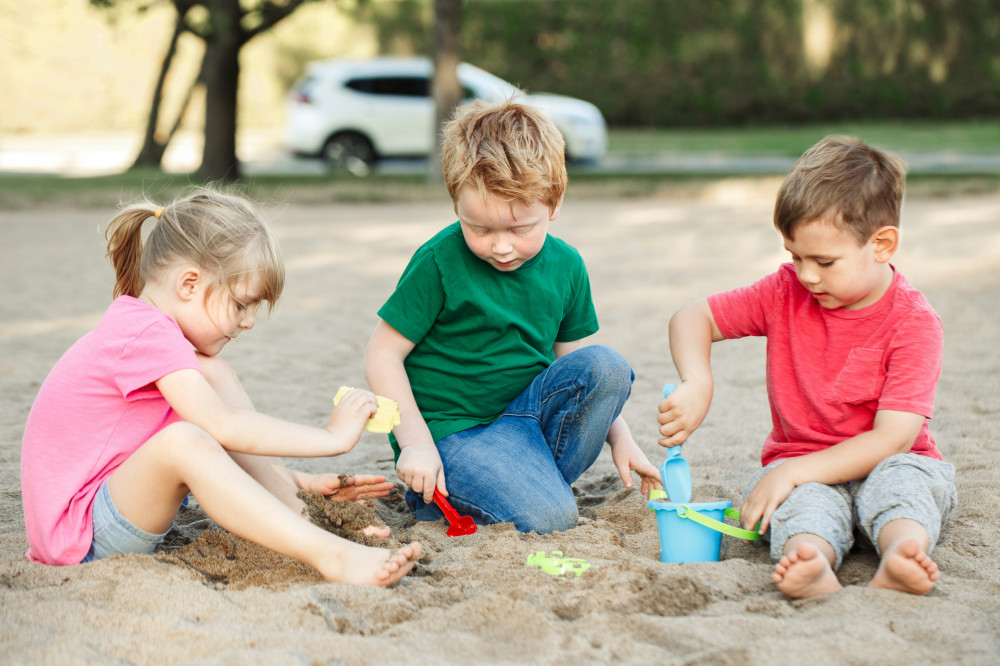
Research on child development shows that this kind of unstructured play—without goals or fixed outcomes—helps build creative thinking, social skills, and emotional resilience. Kids learn to negotiate, collaborate, and solve problems when they define the rules themselves.
Why Simple Toys Matter
This isn’t just about nostalgia. Simple materials challenge children’s imaginations in ways that store-bought toys rarely do. When everything isn’t predesigned, kids must figure out how things fit together on their own. That process builds fine motor skills, patience, and flexible thinking.
It also fosters a sense of ownership. When a child builds a castle out of boxes or paints rocks to create characters, the play becomes personal. That pride and joy often last longer than the excitement of a new gadget or plastic toy.
How Parents Can Encourage Creative Play
Adults play a key role in creating the space and mindset for open-ended play—without taking control. It’s not about planning elaborate activities, but about providing time, materials, and freedom.
- Gather materials: Cardboard boxes, paper towel rolls, fabric scraps, string, rocks, sticks, and old buttons can all become something new. Keep a “creativity bin” that kids can explore anytime.
- Create a play zone: Whether it’s a corner of the living room, the backyard, or the garage, designate a space where it’s okay to build, paint, and make a mess.
- Ask instead of directing: Instead of showing how something “should” be done, ask questions like, “What do you think we could make with this?” That invites imagination and problem-solving.
- Join in—on their terms: Participate if you’re invited, but let the child lead. It builds confidence and reinforces that their ideas matter.
Nature as a Playground and Inspiration
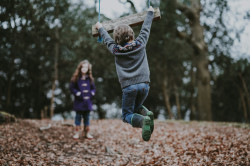
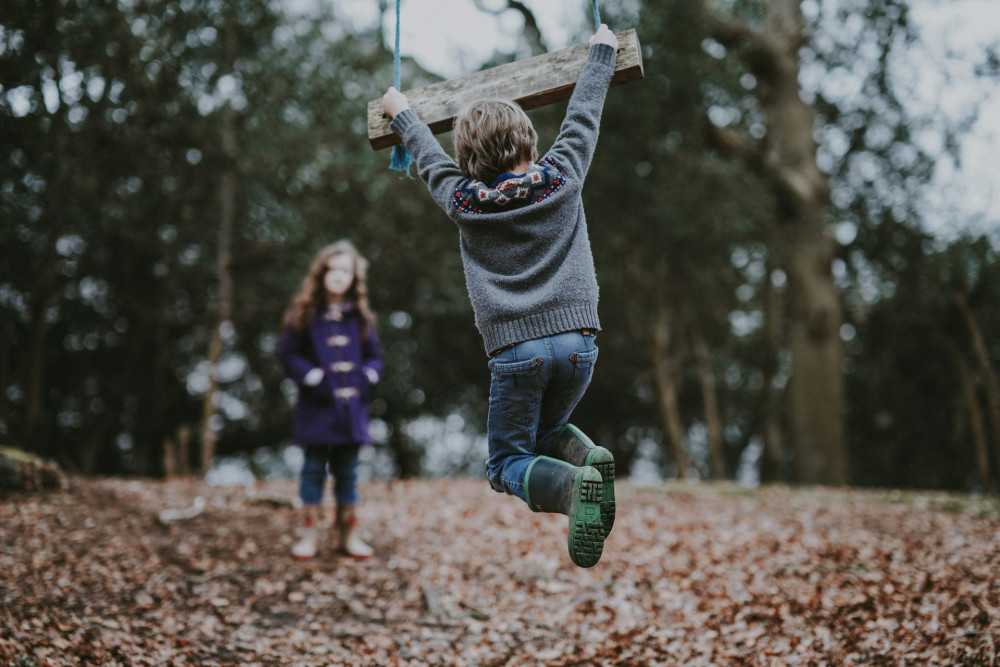
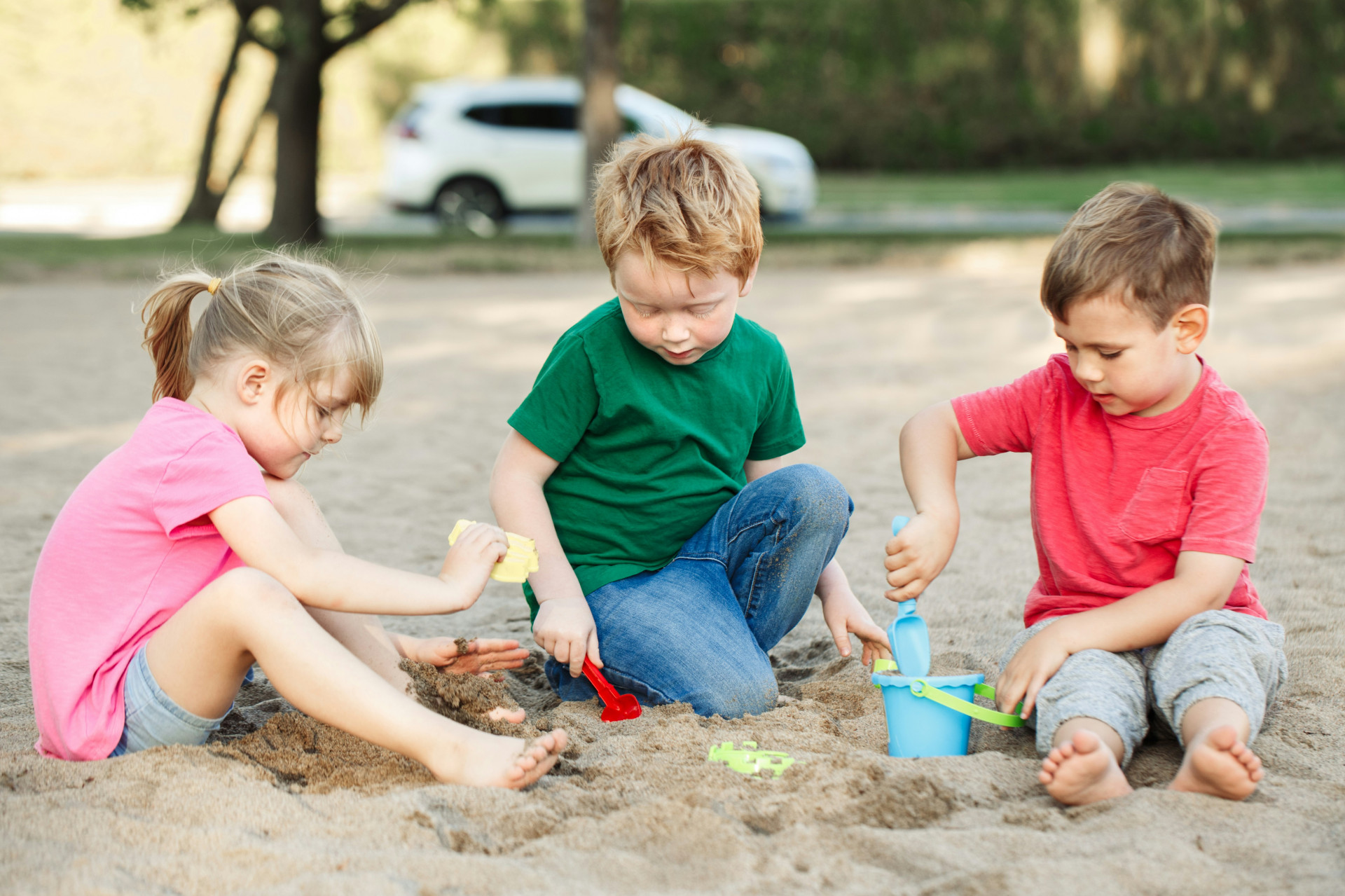
Step outside, and you’ll find endless free materials waiting to be explored. Rocks, sticks, leaves, and dirt can be used to build, decorate, and experiment. Nature stimulates the senses and teaches kids about change—sun and rain, mud and frost—through hands-on experience.
A walk in the park can turn into an adventure where kids build forts, collect “magical” stones, or cook imaginary meals for forest creatures. It doesn’t take much more than time, curiosity, and maybe a cup of coffee for the grown-ups.
Læs også:


Making Creativity Part of Everyday Life
Encouraging creativity isn’t about banning modern toys—it’s about balance. By making room for simple, open-ended play, children learn that fun doesn’t depend on what they have, but on what they can imagine.
When kids are free to explore, experiment, and create with what’s around them, they develop more than just creativity—they learn to see possibilities everywhere. And that’s a skill that will serve them well far beyond childhood.
Læs også: