The complete guide to raising children
Gain a comprehensive understanding of modern parenting, covering everything from communication to boundary setting. This e-book gives you practical tips and tools that can strengthen your relationship with your child and help you deal with everyday challenges with confidence.
Download guide

Three Ways of Learning – How to Support Your Child’s Individual Learning Style

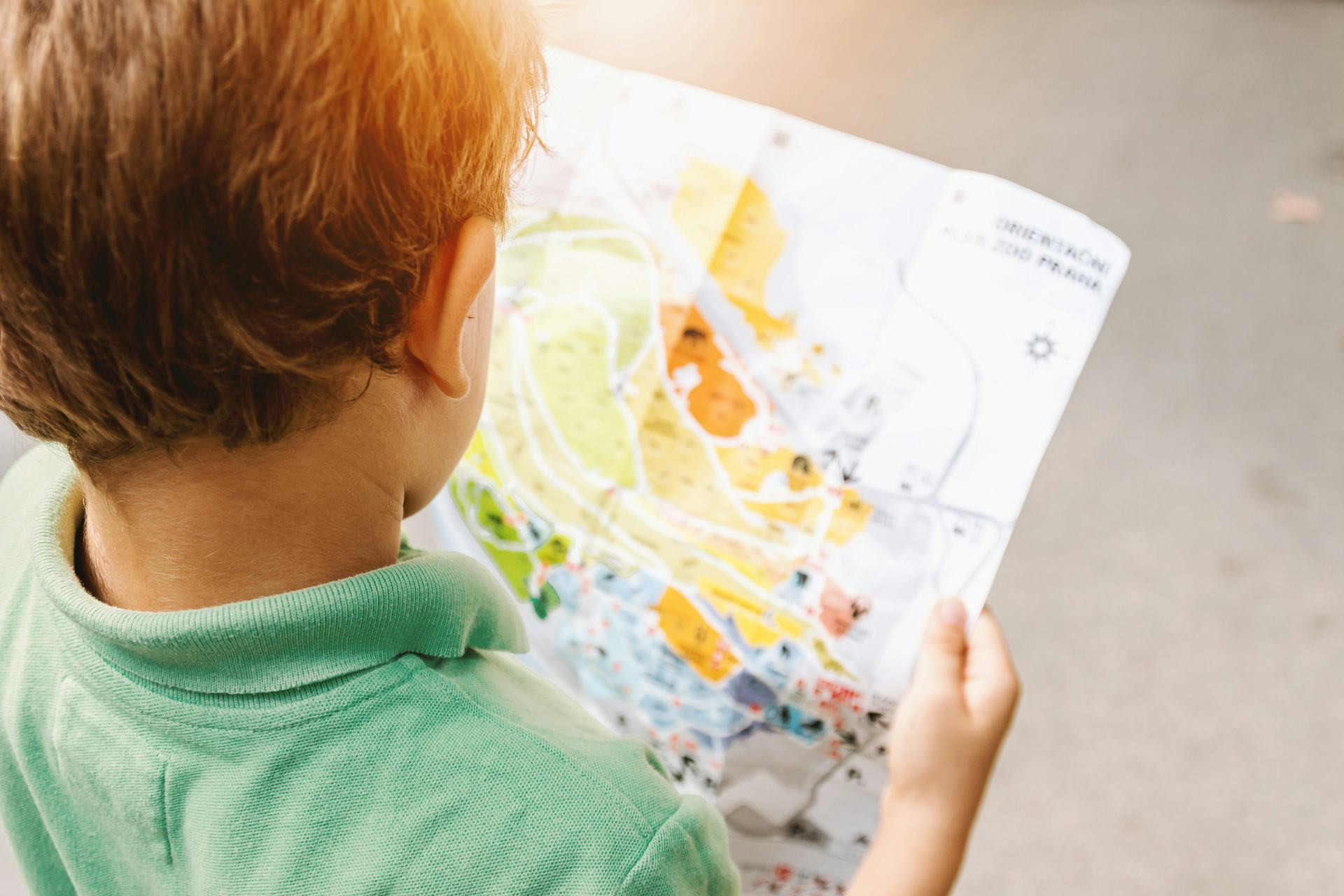
Discover how to nurture your child’s potential by understanding their unique way of learning
Child
Child
2 min
Every child learns differently — some through seeing, others through listening, and some by doing. Learn how to identify your child’s learning style and explore practical ways to support their growth, confidence, and love of learning.
Olivia Rivera
Olivia
Rivera

Three Ways of Learning – How to Support Your Child’s Individual Learning Style

Discover how to nurture your child’s potential by understanding their unique way of learning
Child
Child
2 min
Every child learns differently — some through seeing, others through listening, and some by doing. Learn how to identify your child’s learning style and explore practical ways to support their growth, confidence, and love of learning.
Olivia Rivera
Olivia
Rivera

Every child learns — but not in the same way. Some remember best when they see things, others when they hear explanations, and some need to get hands-on to truly understand. As a parent, you can make a big difference by recognizing how your child learns best and supporting them in a way that fits their natural learning style. Here’s an overview of three common learning styles — and practical tips for how you can help your child thrive in each of them.

The Visual Learning Style – When Pictures Speak Louder Than Words

Visual learners absorb information best through what they see. They remember images, colors, charts, and symbols, and often have a strong sense of spatial awareness. They may enjoy drawing, building with blocks, or organizing things in a particular way.

How to support a visual learner:

  • Use colors, pictures, and diagrams when studying together.
  • Create mind maps instead of long written lists.
  • Help your child visualize concepts — for example, draw a timeline for history lessons or sketch out a math problem.
  • Provide a calm, organized workspace with minimal visual distractions.

Visual learners can struggle with long verbal explanations, so it helps to show rather than tell.

The Auditory Learning Style – When Sound and Words Make the Difference

Auditory learners take in information best through listening. They remember explanations, conversations, and rhythms, and they often learn by talking things through. They may enjoy listening to stories, music, or podcasts and often have a good ear for language.

How to support an auditory learner:

  • Talk about homework — let your child explain what they’ve learned in their own words.
  • Use rhymes, chants, or songs to help remember facts.
  • Read aloud together and discuss what you’ve read afterward.
  • Record short audio notes your child can listen to when reviewing material.

Auditory learners can be easily distracted by background noise, so a quiet environment is important when they need to focus.

The Kinesthetic Learning Style – When the Body Needs to Be Involved

Kinesthetic learners understand best through movement and touch. They learn by doing — building, experimenting, or acting things out. They often find it hard to sit still for long periods, but they grasp concepts quickly when they can engage physically.

How to support a kinesthetic learner:

  • Make learning hands-on: use building blocks for math, do small experiments, or act out stories.
  • Include movement breaks during homework time.
  • Let your child write on a whiteboard, use their fingers to count, or walk around while studying.
  • Combine learning with play — for example, jump on word cards or use movement to remember key ideas.

Kinesthetic learners learn through experience, so give them opportunities to explore and experiment — even if it gets a little messy.

Remember: Most Children Learn in More Than One Way

While many children have a dominant learning style, most are a mix. A child might be both visual and kinesthetic, or auditory with a strong visual memory. The key is to observe what works and vary your approach so your child can use multiple senses.

When you support your child’s individual way of learning, you’re also showing respect for who they are. That builds motivation, confidence, and a genuine love of learning — and that’s what makes the biggest difference in the long run.

Three Ways of Learning – How to Support Your Child’s Individual Learning Style
Discover how to nurture your child’s potential by understanding their unique way of learning
Child
Child
Learning Styles
Parenting
Child Development
Education
Study Tips
2 min
Every child learns differently — some through seeing, others through listening, and some by doing. Learn how to identify your child’s learning style and explore practical ways to support their growth, confidence, and love of learning.
Olivia Rivera
Olivia
Rivera
Cardboard Boxes and Rocks as Toys? Unleash Kids’ Creativity with Simple Materials
Rediscover the magic of play with everyday objects that spark imagination
Child
Child
Creative Play
Parenting
Child Development
Imagination
Simple Toys
3 min
From cardboard boxes to pebbles and sticks, simple materials can inspire endless creativity in children. Learn how unstructured play with ordinary items helps kids develop problem-solving skills, independence, and a lifelong love of imagination.
Saoirse Fisher
Saoirse
Fisher
Digital Citizenship: How to Talk to Your Child About Respect and Responsibility Online
Help your child build healthy online habits through open conversations about respect and responsibility
Child
Child
Digital Citizenship
Parenting
Online Safety
Children
Responsibility
4 min
The digital world is full of opportunities—and challenges—for children. Learn how to guide your child toward positive online behavior, encourage empathy and accountability, and strengthen trust as they explore life on the internet.
Ellie Edwards
Ellie
Edwards
Make Everyday Routines Cozy – From Brushing Teeth to Getting Dressed with Little Kids
Turn daily routines into moments of warmth, play, and connection with your little ones
Child
Child
Parenting
Family Life
Daily Routines
Toddlers
Connection
4 min
Discover how to transform everyday tasks like brushing teeth, getting dressed, and mealtimes into cozy, joyful experiences. With a few simple shifts, you can create calm, connection, and fun in the rhythm of family life.
Jackson Phillips
Jackson
Phillips
Know Your Child’s Developmental Leaps: How to Recognize the Natural Stages of Growth
Understand the key moments in your child’s growth and learn how to nurture each stage with confidence
Child
Child
Child Development
Parenting
Growth Stages
Family
Child Psychology
3 min
Every child develops in unique leaps that shape their abilities, emotions, and independence. Discover how to recognize these natural stages of growth, what changes to expect, and how to support your child through each new phase of development.
Alaina Meyer
Alaina
Meyer
Family Unity: Strengthen Bonds Through Shared Experiences
Discover how shared moments can bring your family closer together
Family
Family
Family
Relationships
Parenting
Togetherness
Wellbeing
6 min
In a world filled with busy schedules and constant distractions, building strong family connections takes intention. Learn how shared experiences—both everyday and special—can strengthen bonds, create lasting memories, and nurture a sense of unity at home.
Olivia Rivera
Olivia
Rivera
Routines That Bring Calm – Balancing Work and Family Life
Simple daily habits to help you find peace amid the demands of work and family life
Family
Family
Work-Life Balance
Family
Wellbeing
Productivity
Mindfulness
2 min
Discover how small, intentional routines can bring calm and balance to your busy days. Learn practical ways to set boundaries, stay focused, and create moments of rest that support both your career and your home life.
Saoirse Fisher
Saoirse
Fisher
When Temperaments Meet – Finding Balance in Differences
How understanding different temperaments can strengthen relationships
Family
Family
Relationships
Communication
Personality
Emotional Intelligence
Self-Development
6 min
When two people with contrasting temperaments come together, their differences can either create friction or foster growth. This article explores how awareness, communication, and curiosity can turn personality contrasts into a balanced and enriching connection.
Ellie Edwards
Ellie
Edwards
From Two to Family: How to Find Balance in Your New Roles
Discover how to stay connected and balanced as you grow from a couple into a family
Family
Family
Parenthood
Relationships
Family Life
New Parents
Work-Life Balance
3 min
Becoming parents transforms your relationship and daily life in profound ways. Learn how to navigate the shift from two to family with communication, fairness, and care—so you can build a strong foundation for your new life together.
Jackson Phillips
Jackson
Phillips
The First Steps: The Relationship Between Motor Development, Curiosity, and Confidence in Toddlers
How early movement shapes a child’s curiosity, confidence, and sense of independence
Family
Family
Child Development
Motor Skills
Early Learning
Parenting
Toddler Growth
4 min
A toddler’s first steps are more than a milestone—they mark the beginning of exploration, learning, and self-assurance. Discover how motor development, curiosity, and confidence intertwine to support healthy growth and lifelong learning.
Alaina Meyer
Alaina
Meyer
Female Identity in Transition – Finding the Balance Between Personal Dreams and Others’ Expectations
Exploring how modern women navigate the tension between self-fulfillment and societal expectations
Mother
Mother
Female Identity
Gender Roles
Work-Life Balance
Personal Growth
Modern Womanhood
2 min
Today’s women face a complex challenge—pursuing personal dreams while meeting the expectations of family, work, and society. This article examines how female identity is evolving in a world that demands both independence and adaptability, and what it means to find balance in the midst of change.
Olivia Rivera
Olivia
Rivera
Time for Love Amid Family Life – Without the Guilt
Rediscover closeness and joy in your relationship while balancing the demands of family life
Mother
Mother
Relationships
Parenting
Family Life
Love
Marriage
6 min
Between work, kids, and daily routines, it’s easy for love to get lost in the shuffle. Learn how to nurture your relationship through small, meaningful moments—and why prioritizing each other strengthens the whole family.
Saoirse Fisher
Saoirse
Fisher