Family Unity: Strengthen Bonds Through Shared Experiences

Family Unity: Strengthen Bonds Through Shared Experiences
In today’s fast-paced world of work, school, sports, and screens, finding time to truly connect as a family can be a challenge. Yet it’s those shared experiences that create the strongest bonds—the ones that hold steady when life gets hectic. Family unity isn’t just about living under the same roof; it’s about sharing time, experiences, and presence. Here’s how you can strengthen your family relationships through meaningful activities, both big and small.
Why Shared Experiences Matter
When families do things together, they build a shared language and a sense of belonging. Whether it’s a weekend getaway or a simple game night, what matters most is that everyone participates and feels seen. Research shows that children who spend quality time with their parents develop greater emotional security and stronger social skills. For adults, shared experiences bring a sense of purpose and connection that strengthens both the partnership and the family dynamic.
These moments don’t have to be perfectly planned. Sometimes the best memories come from spontaneous moments—cooking dinner together, walking the dog, or watching a movie and talking about it afterward.
Create Traditions That Bring You Together
Traditions are the glue that holds families close. They provide rhythm, comfort, and a sense of identity. They can be big or small: an annual summer road trip, a Sunday morning pancake breakfast, or a Friday night pizza-and-movie ritual. The key is that these traditions feel like something you do together—not an obligation.
Invite everyone to contribute ideas. Kids love having a say, and it increases their enthusiasm. Maybe they’ll suggest a “family game night” or a monthly outing to explore a new park. When everyone feels ownership, traditions become more meaningful.
Everyday Moments That Strengthen Bonds
It’s not just vacations or special occasions that count. Everyday life offers countless opportunities to connect:
- Cook together – let kids choose a recipe, chop vegetables, or set the table. It builds teamwork and confidence.
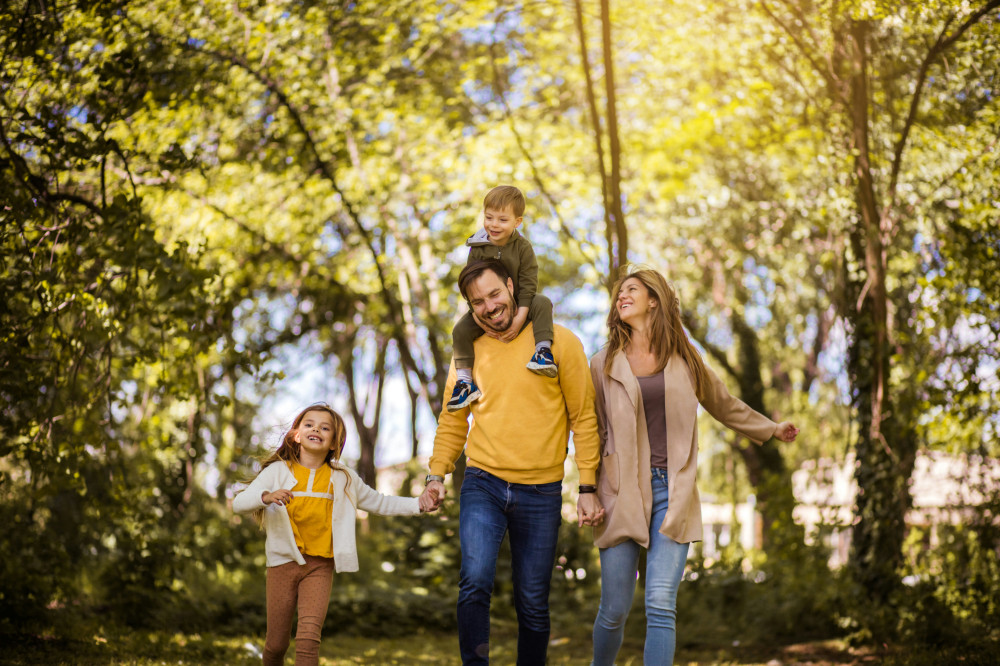
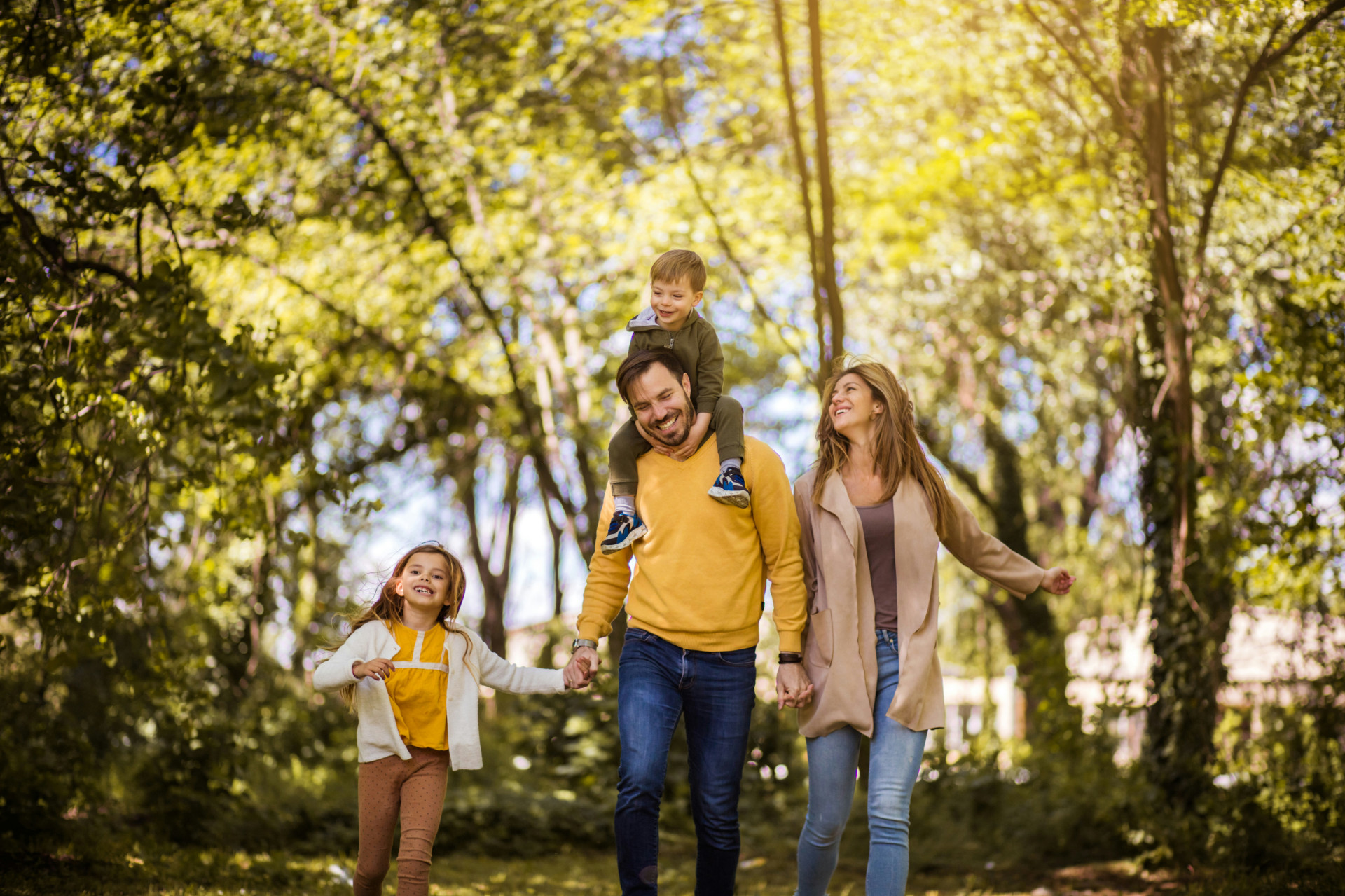
- Take a walk without screens – a short stroll after dinner can open space for conversations that might not happen otherwise.
- Work on small projects – plant a garden, build a birdhouse, or create a family scrapbook.
- Play games or do puzzles – laughter and friendly competition create lasting memories.
It’s not about doing things perfectly—it’s about being present. Even ten minutes of genuine connection can make a difference if everyone is engaged.
When Family Members Are in Different Life Stages
Finding activities that appeal to both young children and teenagers can be tricky. The key is to look for common ground—something everyone can enjoy. A hike, a cooking night, or a board game can often be adapted for different ages.
For teens, it’s important that activities don’t feel forced. Involve them in planning and show interest in their ideas. Maybe they’d prefer creating a family playlist, taking a road trip, or filming a short video together. When they feel their voice matters, they’re more likely to participate wholeheartedly.
Unity Takes Time—Not Perfection
It’s easy to think that family unity requires elaborate plans or lots of free time. In reality, it’s more about quality than quantity. Half an hour of genuine connection can mean more than a whole day spent distracted.
Set realistic goals. Start with one shared activity a week and build from there. The goal is for it to feel natural and enjoyable—not like another item on the to-do list.
Læs også:



When Life Gets Busy
There will always be seasons when work, school, and activities take over. During those times, small rituals can help keep the connection strong: a shared weekend breakfast, a quick chat before bedtime, or a set “family hour” on Sunday afternoons. These small, consistent moments help maintain closeness even when time is limited.
Shared Experiences Create Lasting Memories
When we look back on childhood or family life, it’s rarely the material things we remember—it’s the experiences we shared. A rainy camping trip, a spontaneous kitchen dance, or an evening filled with laughter and games. These are the moments that become family stories, told again and again.
Strengthening family unity isn’t about doing everything right—it’s about choosing each other, again and again, in the middle of everyday life.
Læs også: