Role Models in the Family – How Siblings and Grandparents Shape Boys’ Development


Role Models in the Family – How Siblings and Grandparents Shape Boys’ Development
When we talk about boys’ development, the focus often falls on parents, school, and extracurricular activities. Yet, some of the most meaningful lessons about empathy, responsibility, and identity come from relationships within the family that extend beyond the parent-child bond — especially those with siblings and grandparents. These relationships offer boys a chance to see different ways of being, to test boundaries, and to learn what it means to care for and be cared for.
Siblings as Mirrors and Training Grounds
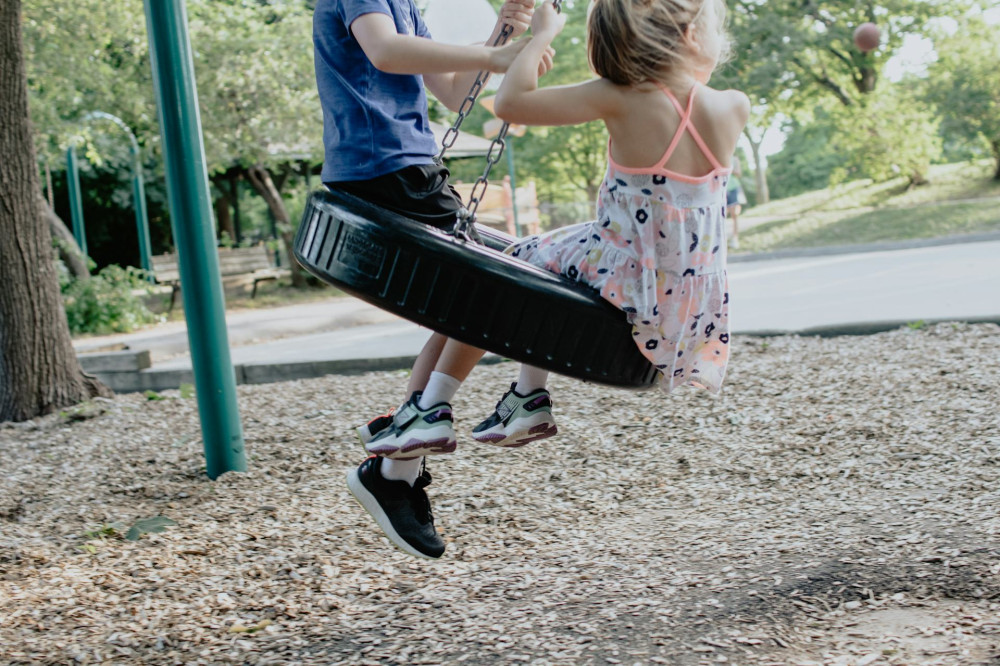
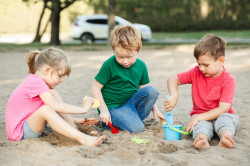
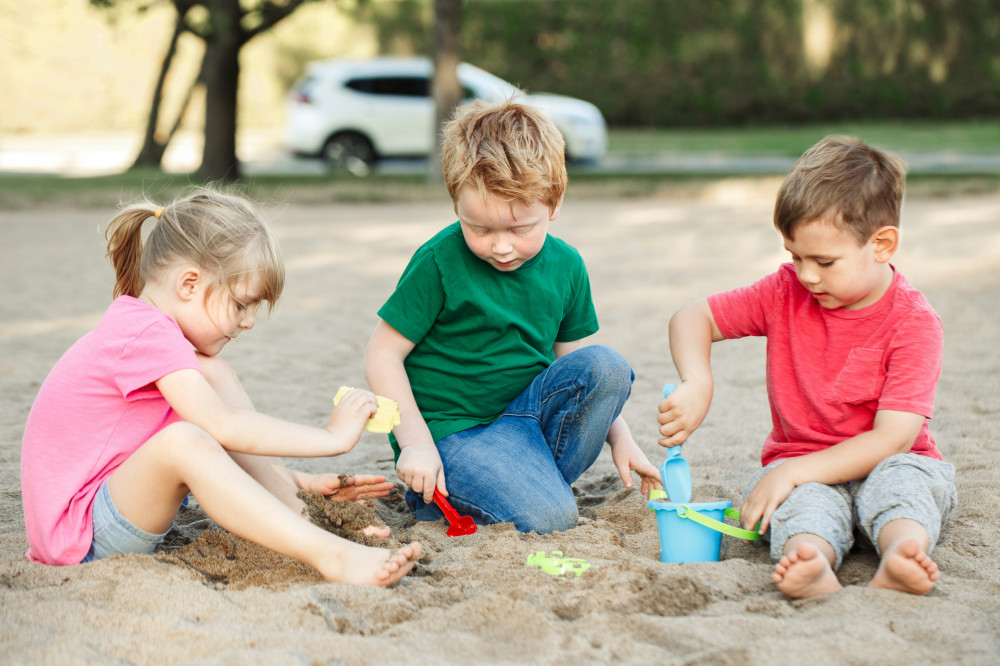
Siblings are often a boy’s first peers — the people he learns to share space, attention, and affection with. Through play, arguments, and cooperation, boys develop social and emotional skills that will serve them throughout life.
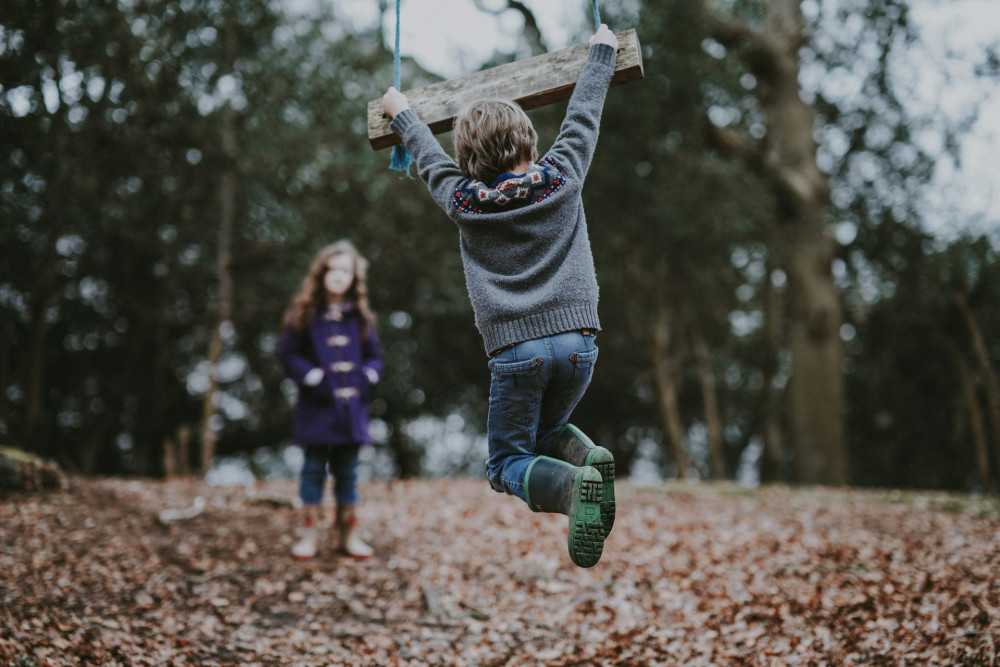
- Older siblings often act as role models, showing how to handle schoolwork, friendships, and responsibilities. Younger boys tend to imitate what they see — both the positive behaviors and the mistakes — and in doing so, they learn about consequences and self-awareness.
- Younger siblings give boys a chance to practice patience, empathy, and leadership. Helping a little brother or sister with homework or a game can strengthen a boy’s sense of responsibility and compassion.
Research in child development consistently shows that sibling relationships are a mix of rivalry and affection. This combination helps boys learn to navigate complex emotions — to compete, to forgive, and to cooperate. These early lessons often shape how they later approach teamwork, friendships, and even professional relationships.
Grandparents as Steady Role Models
While siblings represent the everyday give-and-take of family life, grandparents often bring a sense of calm and continuity. They have time, perspective, and life experience — qualities that can make them powerful role models for boys growing up in a fast-paced world.
Grandparents influence boys in several ways:
- Through stories and life lessons – Tales about their own childhoods, careers, or challenges help boys understand values like perseverance, honesty, and kindness.
- Through shared activities – Whether it’s fishing, cooking, gardening, or fixing something together, these moments create space for learning by doing.
- Through presence and patience – Grandparents often have the time to listen without judgment, giving boys a sense of being seen and valued for who they are.
In many American families, where parents juggle work and busy schedules, grandparents can provide stability and emotional grounding. They connect boys to family history and traditions, helping them see themselves as part of something larger than their immediate world.
Different Role Models, Different Lessons
Siblings and grandparents shape boys in distinct but complementary ways. Siblings teach boys how to relate to equals — to negotiate, share, and stand up for themselves. Grandparents, on the other hand, offer a long-term perspective, showing that patience, humor, and resilience are strengths that endure.
Together, these relationships broaden a boy’s understanding of what it means to be a man, a brother, a friend, or a grandson. They help him see that strength can mean both taking initiative and showing care, and that emotional intelligence is just as important as confidence or independence.
Læs også:



How Parents Can Support These Bonds
Parents play a key role in nurturing these relationships. It’s not about controlling them, but about creating opportunities for connection.
- Make time for shared experiences – Family gatherings, weekend visits, or simple video calls with grandparents can strengthen intergenerational ties.
- Acknowledge differences – Each sibling relationship is unique, and each grandparent-grandchild bond will develop in its own way.
- Talk about role models – Ask your son who he looks up to and why. These conversations can reveal what values and behaviors he’s drawn to.
By supporting these connections, parents help boys build a network of relationships that foster empathy, confidence, and a sense of belonging.
A Network That Shapes the Future
Boys don’t grow up in isolation. Their development is shaped by the people who surround them — peers, parents, siblings, and grandparents alike. Siblings and grandparents, in particular, offer lessons that are both practical and emotional: how to share, how to listen, how to persevere, and how to love.
When boys are given the chance to learn from multiple generations, they discover that there’s no single way to be strong or successful. They learn that relationships — whether with a brother, a grandparent, or a friend — are built through time, care, and understanding. And those lessons, learned within the family, become the foundation for the kind of men they will one day become.
Læs også: