The complete guide to raising children
Gain a comprehensive understanding of modern parenting, covering everything from communication to boundary setting. This e-book gives you practical tips and tools that can strengthen your relationship with your child and help you deal with everyday challenges with confidence.
Download guide

Small appetite? How to help your child get the most nutrition from their food

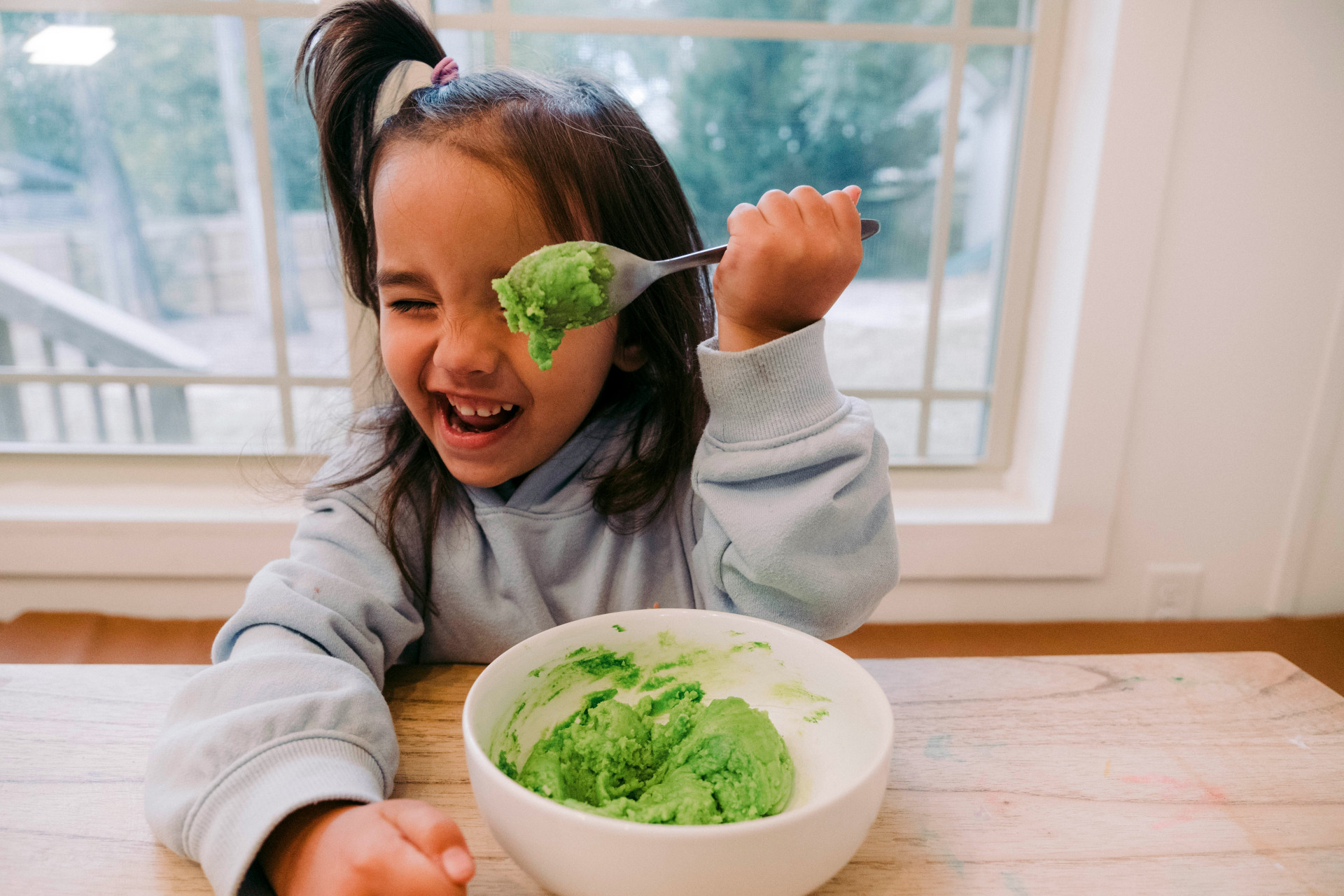
Practical tips to make every bite count for children with small appetites
Food
Food
2 min
Is your child eating only tiny portions or turning down meals? Learn how to boost the nutritional value of what they do eat, create positive mealtime habits, and support healthy growth even with a small appetite.
Saoirse Fisher
Saoirse
Fisher

Small appetite? How to help your child get the most nutrition from their food

Practical tips to make every bite count for children with small appetites
Food
Food
2 min
Is your child eating only tiny portions or turning down meals? Learn how to boost the nutritional value of what they do eat, create positive mealtime habits, and support healthy growth even with a small appetite.
Saoirse Fisher
Saoirse
Fisher

When kids eat only small portions or seem picky, it can be challenging to make sure they’re getting the nutrients they need. But even with a small appetite, children can thrive if the food they do eat is packed with nutrition. Here’s how to make every bite count.

Understanding a small appetite

It’s completely normal for a child’s appetite to fluctuate. During growth spurts, they may eat a lot, while at other times they barely touch their plate. Appetite can also be affected by sleep, activity level, illness, and mood. What matters most is the overall pattern over time—not one single meal.

If your child is growing, active, and generally healthy, there’s usually no reason to worry. Still, you can support their appetite and make sure the food they do eat is as nourishing as possible.

Make small portions nutrient-dense

When your child eats only a little, focus on quality over quantity. Here are some simple ways to boost the nutrition in small servings:

  • Add healthy fats – Mix in a bit of olive oil, avocado, nut butter, or butter to vegetables, oatmeal, or toast. Healthy fats provide energy and help the body absorb fat-soluble vitamins.
  • Choose whole grains – Whole-grain bread, brown rice, and oatmeal offer more fiber, vitamins, and minerals than refined grains.
  • Include protein – Eggs, chicken, fish, beans, and lentils can easily be added to small meals. Even a few bites can make a difference.
  • Enrich foods – Sprinkle cheese on vegetables, stir yogurt into fruit puree, or add dry milk powder to oatmeal for extra protein and calcium.

Small tweaks like these can make a big difference without increasing portion size.

Create calm, positive mealtimes

Appetite thrives in a relaxed environment. When mealtime turns into a battle, kids often lose interest in eating. Try to make meals calm and enjoyable:

  • Eat together as a family and let your child see you enjoying your food.
  • Avoid pressure or bribing—it can create resistance.
  • Give your child time. Some kids eat slowly and need space to recognize hunger and fullness.
  • Serve small portions so they can feel successful finishing their plate.

When meals are pleasant, children are more likely to eat—and to enjoy it.

Make food fun and familiar

Kids often eat with their eyes first. Color, shape, and variety can spark curiosity:

  • Cut fruits and vegetables into fun shapes or serve them as small “tasting bowls.”
  • Offer mini snack-style plates with a mix of items—cheese cubes, fruit slices, veggie sticks, and small pieces of bread.
  • Involve your child in cooking. When they help stir, chop (safely), or choose ingredients, they’re more likely to try what they’ve made.

Repetition also helps. Children often need to see a new food many times before accepting it. Patience pays off.

Smart snacks that count

If main meals are small, snacks can help fill the gaps. Choose nutrient-rich options instead of empty calories:

  • Yogurt with fruit and oats
  • Whole-grain crackers with cheese or nut butter
  • Smoothies made with milk, fruit, and a bit of oatmeal
  • Hard-boiled eggs or small turkey meatballs

Think of snacks as part of your child’s overall nutrition, not just something to tide them over.

When to seek advice

If your child consistently eats very little, loses weight, or seems tired and low on energy, talk with your pediatrician. There may be medical or emotional reasons that need attention. In most cases, though, it’s simply about finding the right rhythm and approach.

Small steps make a big difference

Supporting a child with a small appetite takes patience, but it’s possible to build healthy habits without stress. Focus on nutrient-rich foods, variety, and positive mealtime experiences—and remember, appetite often grows along with comfort and confidence around food.

Eat with the Seasons – Fresh Ideas for Kid-Friendly Dishes with Seasonal Fruits and Vegetables
Discover how seasonal fruits and vegetables can make healthy eating fun for the whole family
Food
Food
Seasonal Cooking
Family Meals
Healthy Eating
Kids Recipes
Fresh Produce
4 min
Turn mealtime into a colorful adventure with fresh, seasonal ingredients. Learn how to create kid-friendly dishes that celebrate the best produce each season has to offer — from crisp spring greens to cozy winter flavors.
Olivia Rivera
Olivia
Rivera
Small appetite? How to help your child get the most nutrition from their food
Practical tips to make every bite count for children with small appetites
Food
Food
Child Nutrition
Healthy Eating
Parenting Tips
Picky Eaters
Family Health
2 min
Is your child eating only tiny portions or turning down meals? Learn how to boost the nutritional value of what they do eat, create positive mealtime habits, and support healthy growth even with a small appetite.
Saoirse Fisher
Saoirse
Fisher
Food Allergies in Children – Learn to Recognize the Most Common Reactions
Understand the warning signs and protect your child from serious allergic reactions
Food
Food
Food Allergies
Children’s Health
Parenting
Allergy Awareness
Nutrition
2 min
Food allergies in children are becoming more common, and knowing how to spot the symptoms early can make all the difference. Learn about the most frequent allergic reactions, when to seek medical help, and how to manage food allergies safely in everyday life.
Ellie Edwards
Ellie
Edwards
Picky Eating or Feeding Difficulties? How to Tell the Difference
Learn how to recognize when your child’s eating habits are part of normal development—or a sign of something more serious.
Food
Food
Parenting
Child Nutrition
Feeding Difficulties
Picky Eating
Child Development
6 min
Many children go through picky eating phases, but sometimes mealtime struggles point to deeper feeding difficulties. Discover how to tell the difference, what signs to look for, and how to support your child’s healthy relationship with food.
Jackson Phillips
Jackson
Phillips
Weekly Meal Plan Made Easy – Varied and Kid-Friendly Dinners Without Kitchen Stress
Simplify your week with easy, balanced dinners the whole family will love
Food
Food
Meal Planning
Family Dinners
Easy Recipes
Healthy Eating
Parenting
6 min
Discover how a simple weekly meal plan can take the stress out of dinnertime. Learn practical tips for organizing your menu, keeping meals nutritious and kid‑friendly, and enjoying relaxed evenings around the table.
Alaina Meyer
Alaina
Meyer
Three Ways of Learning – How to Support Your Child’s Individual Learning Style
Discover how to nurture your child’s potential by understanding their unique way of learning
Child
Child
Learning Styles
Parenting
Child Development
Education
Study Tips
2 min
Every child learns differently — some through seeing, others through listening, and some by doing. Learn how to identify your child’s learning style and explore practical ways to support their growth, confidence, and love of learning.
Olivia Rivera
Olivia
Rivera
Cardboard Boxes and Rocks as Toys? Unleash Kids’ Creativity with Simple Materials
Rediscover the magic of play with everyday objects that spark imagination
Child
Child
Creative Play
Parenting
Child Development
Imagination
Simple Toys
3 min
From cardboard boxes to pebbles and sticks, simple materials can inspire endless creativity in children. Learn how unstructured play with ordinary items helps kids develop problem-solving skills, independence, and a lifelong love of imagination.
Saoirse Fisher
Saoirse
Fisher
Digital Citizenship: How to Talk to Your Child About Respect and Responsibility Online
Help your child build healthy online habits through open conversations about respect and responsibility
Child
Child
Digital Citizenship
Parenting
Online Safety
Children
Responsibility
4 min
The digital world is full of opportunities—and challenges—for children. Learn how to guide your child toward positive online behavior, encourage empathy and accountability, and strengthen trust as they explore life on the internet.
Ellie Edwards
Ellie
Edwards
Make Everyday Routines Cozy – From Brushing Teeth to Getting Dressed with Little Kids
Turn daily routines into moments of warmth, play, and connection with your little ones
Child
Child
Parenting
Family Life
Daily Routines
Toddlers
Connection
4 min
Discover how to transform everyday tasks like brushing teeth, getting dressed, and mealtimes into cozy, joyful experiences. With a few simple shifts, you can create calm, connection, and fun in the rhythm of family life.
Jackson Phillips
Jackson
Phillips
Know Your Child’s Developmental Leaps: How to Recognize the Natural Stages of Growth
Understand the key moments in your child’s growth and learn how to nurture each stage with confidence
Child
Child
Child Development
Parenting
Growth Stages
Family
Child Psychology
3 min
Every child develops in unique leaps that shape their abilities, emotions, and independence. Discover how to recognize these natural stages of growth, what changes to expect, and how to support your child through each new phase of development.
Alaina Meyer
Alaina
Meyer
Family Unity: Strengthen Bonds Through Shared Experiences
Discover how shared moments can bring your family closer together
Family
Family
Family
Relationships
Parenting
Togetherness
Wellbeing
6 min
In a world filled with busy schedules and constant distractions, building strong family connections takes intention. Learn how shared experiences—both everyday and special—can strengthen bonds, create lasting memories, and nurture a sense of unity at home.
Olivia Rivera
Olivia
Rivera
Routines That Bring Calm – Balancing Work and Family Life
Simple daily habits to help you find peace amid the demands of work and family life
Family
Family
Work-Life Balance
Family
Wellbeing
Productivity
Mindfulness
2 min
Discover how small, intentional routines can bring calm and balance to your busy days. Learn practical ways to set boundaries, stay focused, and create moments of rest that support both your career and your home life.
Saoirse Fisher
Saoirse
Fisher