When Community Falters – How to Support Children Who Feel Left Out

When Community Falters – How to Support Children Who Feel Left Out
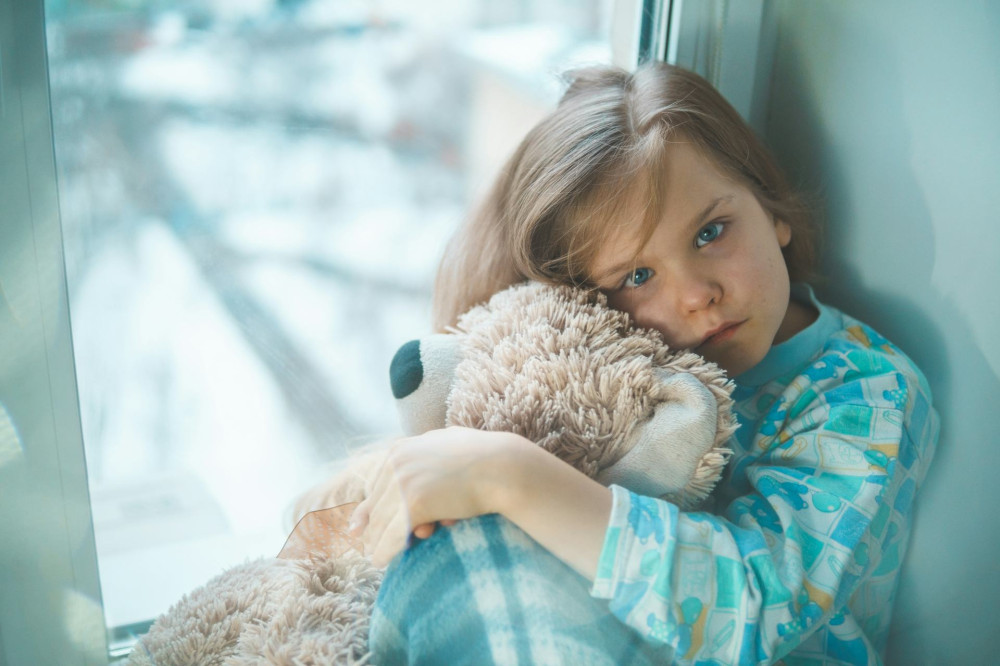
Feeling left out is one of the most painful experiences a child can have. Whether it happens on the playground, in the classroom, or on a sports team, the sense of not belonging can leave lasting marks. As an adult—parent, teacher, or coach—you play a crucial role in helping a child regain confidence and connection. Here’s how you can understand what’s going on and offer meaningful support.
When Belonging Feels Out of Reach
Children have a deep need to feel accepted and included. When they experience being ignored, excluded, or rejected, it can affect their self-esteem and emotional well-being. Some children withdraw, while others act out or try to fit in at any cost.
It’s important to remember that feeling left out doesn’t always mean bullying is taking place. Sometimes it’s about group dynamics, personality differences, or changes in friendships. Whatever the reason, children need adults who notice, listen, and take action.
Listen Before You Fix
When a child says they feel left out, it’s natural to want to jump in with solutions. But the first step is to listen—really listen. Give the child space to describe what’s happening and how it feels.
- Show empathy – Acknowledge the child’s feelings without minimizing them.
- Avoid quick explanations – Don’t assume you know what’s going on; ask open questions instead.
- Create safety – Let the child know you take their feelings seriously and that you’re there to help.
Often, through conversation, you’ll uncover what’s truly behind the situation—whether it’s a misunderstanding, a conflict, or a deeper sense of insecurity.
Help the Child Find Their Strength
A child who feels excluded may start to believe something is wrong with them. That’s why it’s essential to build their confidence and remind them of their worth.
- Highlight their strengths – Point out what they’re good at and what others appreciate about them.
- Create opportunities for success – Encourage activities where they can shine and feel valued.
- Talk about differences – Help them understand that being unique is not a flaw but a strength.
When children feel secure in who they are, it becomes easier for them to connect with others in healthy ways.
Læs også:


Partner With Teachers and Other Adults
If a child is struggling socially at school or in extracurricular activities, collaboration among adults is key. Reach out to teachers, counselors, or coaches and share your observations. Sometimes small adjustments—like pairing the child with a supportive peer or changing group activities—can make a big difference.
Schools in the U.S. are increasingly focused on social-emotional learning and inclusion, but parents can reinforce these efforts by:
- Participating in school or community events that build connection.
- Speaking positively about other children and families—kids pick up on adult attitudes.
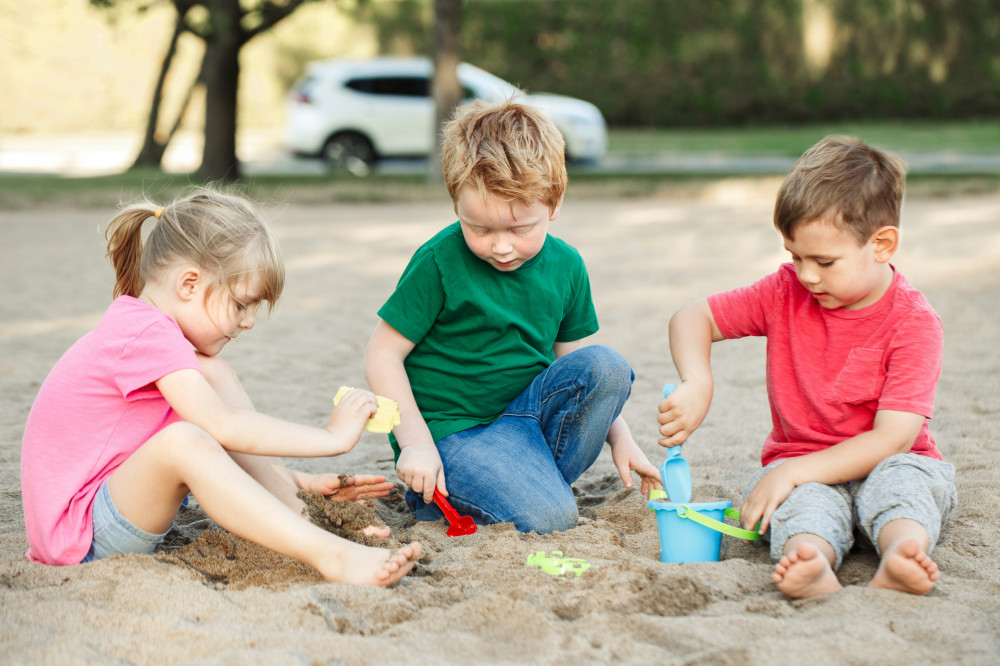
- Encouraging playdates or get-togethers with classmates, including those your child doesn’t know well.
When adults work together, children see that community is something we build collectively.
Teach Social Skills in a Safe Space
Some children need extra help understanding social cues or navigating group situations. You can practice small, everyday interactions together:
- How to start a conversation.
- How to ask to join a game or group.
- How to respond gracefully if the answer is no.
These may seem like simple skills, but rehearsing them in a safe environment can make a big difference in real-life situations.
Be Patient—Belonging Takes Time
Finding one’s place in a group rarely happens overnight. It often takes patience, encouragement, and multiple attempts. The most important thing is that the child doesn’t feel alone in the process.
Show that you believe in their ability to connect and that you’ll be there no matter how long it takes. That sense of security often becomes the foundation for lasting confidence.
Building a Community for Everyone
A strong community is one where differences are welcomed and everyone has a place. When children learn that belonging doesn’t mean being the same, they’re more likely to thrive—and to include others, too. As adults, we can model this by showing empathy, talking openly about diversity, and stepping in when someone is left out.
Supporting a child who feels excluded isn’t just about solving a short-term problem. It’s about giving them the tools and experiences that will help them build healthy, inclusive relationships for the rest of their lives.
Læs også: