A Child’s Room That Grows With Them – Comfort and Flexibility in the Design

A Child’s Room That Grows With Them – Comfort and Flexibility in the Design
A child’s room is more than just a place to sleep. It’s where they play, learn, dream, and grow. That’s why it’s worth thinking long-term when designing the space—so it can evolve with your child’s changing needs and personality. With thoughtful planning, you can create a room that feels safe and cozy for a toddler yet flexible enough to adapt through the school years and beyond.
Begin With Comfort and Calm
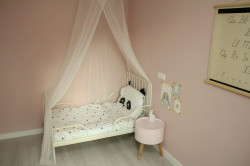
For young children, comfort and security come first. Soft textures, gentle colors, and a simple layout help create a soothing environment that supports rest and play. Avoid overwhelming patterns or too many decorations—calm surroundings make it easier for little ones to relax and focus.
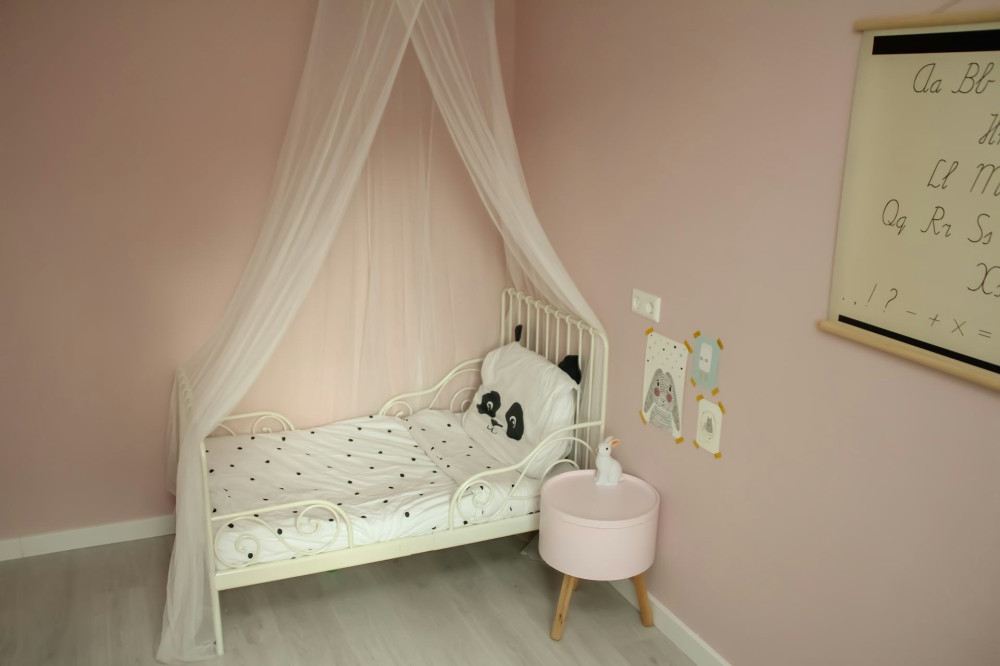
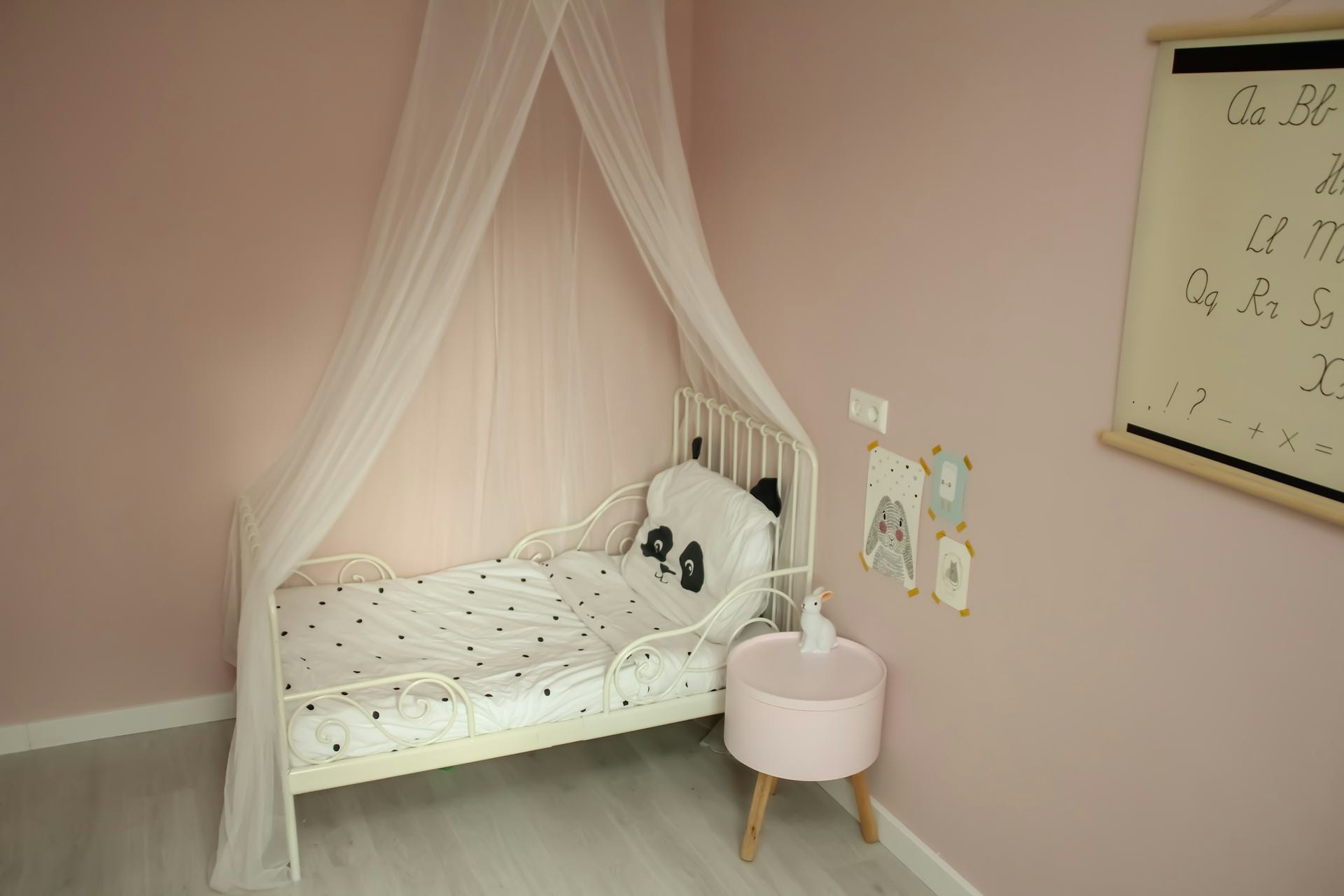
Place the bed where your child can see the door but isn’t in a draft. A warm nightlight can make bedtime feel cozy and reassuring. Think about sound, too—rugs, curtains, and cushions help absorb noise and make the room feel more peaceful.
Create Flexible Zones
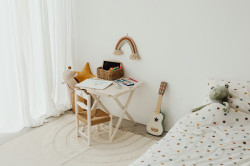
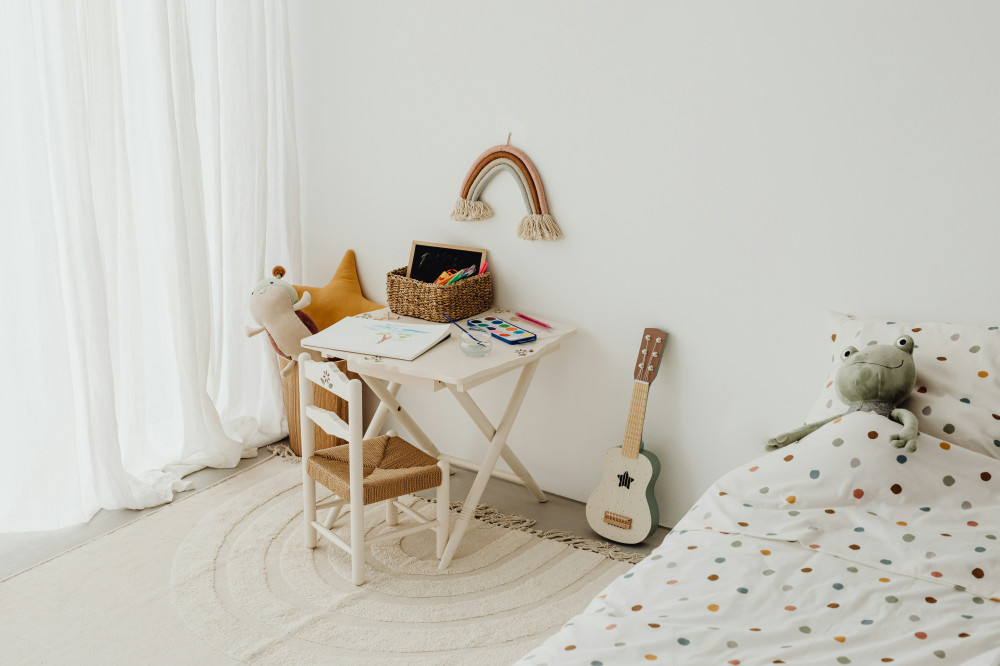
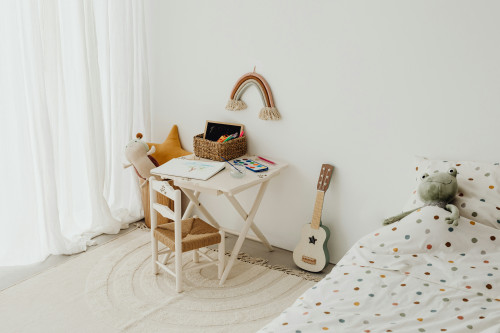
A child’s room needs to serve many purposes: play, study, rest, and imagination. Dividing the space into zones helps organize these activities without making the room feel crowded. A soft rug can define a play area, while a small table and chair can become a spot for drawing or early homework.
As your child grows, these zones can shift. The play corner might turn into a reading nook or a study space, and the bed can be replaced with a loft or storage bed to free up floor space. Flexible furniture makes it easy to adapt the room without starting from scratch.
Choose Furniture That Grows With Your Child
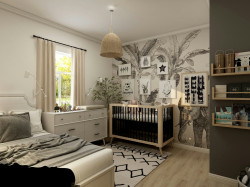
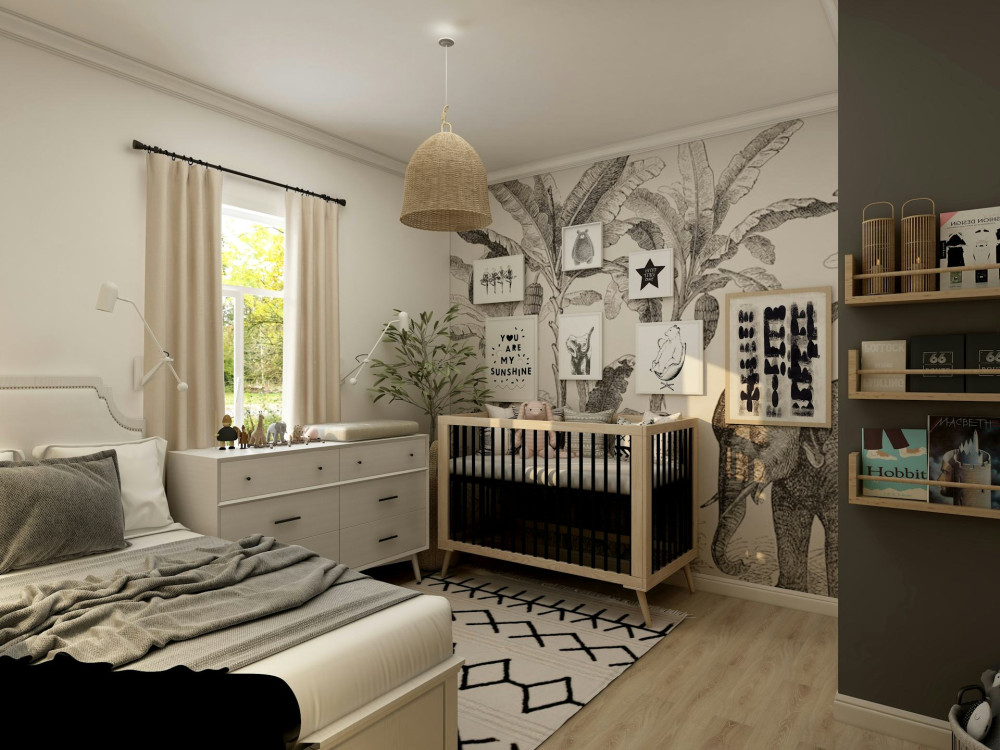
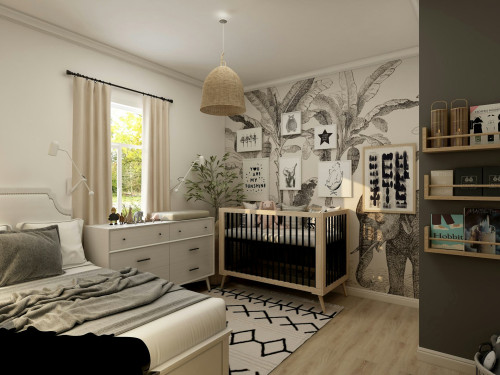
Investing in adjustable or convertible furniture pays off over time. A crib that converts into a toddler bed, or a changing table that becomes a dresser, extends the life of your setup. The same goes for desks and chairs that can be adjusted as your child gets taller.
Stick with neutral colors and timeless designs for the main pieces. You can always refresh the look with new bedding, wall art, or accessories as your child’s interests change. This approach keeps the room feeling current without constant redecorating.
Make Storage Part of the Fun
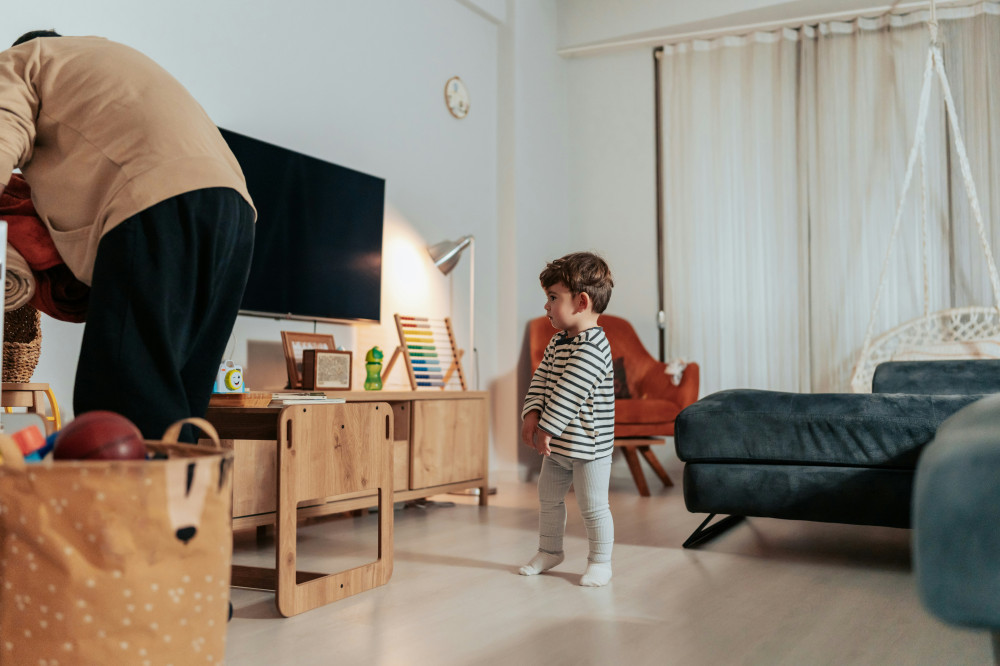
A tidy room helps create a sense of calm, but that’s only possible with smart storage. Bins, baskets, and shelves at child height encourage independence and make cleanup easier. Clear containers or labeled boxes with pictures help kids find and put away their things.
For younger children, storage can even be playful—think animal-shaped bins or colorful drawers that invite interaction. As your child grows, you can transition to more streamlined solutions that suit a school-age child or teen.
Læs også:
Involve Your Child in the Design
Even small choices can make a big difference in how your child feels about their room. Let them pick the color of their bedding, choose a poster, or help arrange their toys. These decisions give them a sense of ownership and pride in their space.
As they get older, involve them in planning updates. It’s a great way to teach responsibility and creativity while ensuring the room reflects their personality. Working together also makes the process more meaningful and fun.
A Room That Adapts to Life
Designing a child’s room that grows with them isn’t just about furniture or color—it’s about creating a space that evolves with life’s stages. From a toddler’s cozy retreat to a school-age child’s creative hub and eventually a teen’s personal sanctuary, the room should support every phase.
By building flexibility into the design from the start, you create a space that feels right for years to come—a place where your child can rest, explore, and truly feel at home, no matter their age.
Læs også: