Green Play: Create Play Areas with Recycled and Natural Materials

Green Play: Create Play Areas with Recycled and Natural Materials
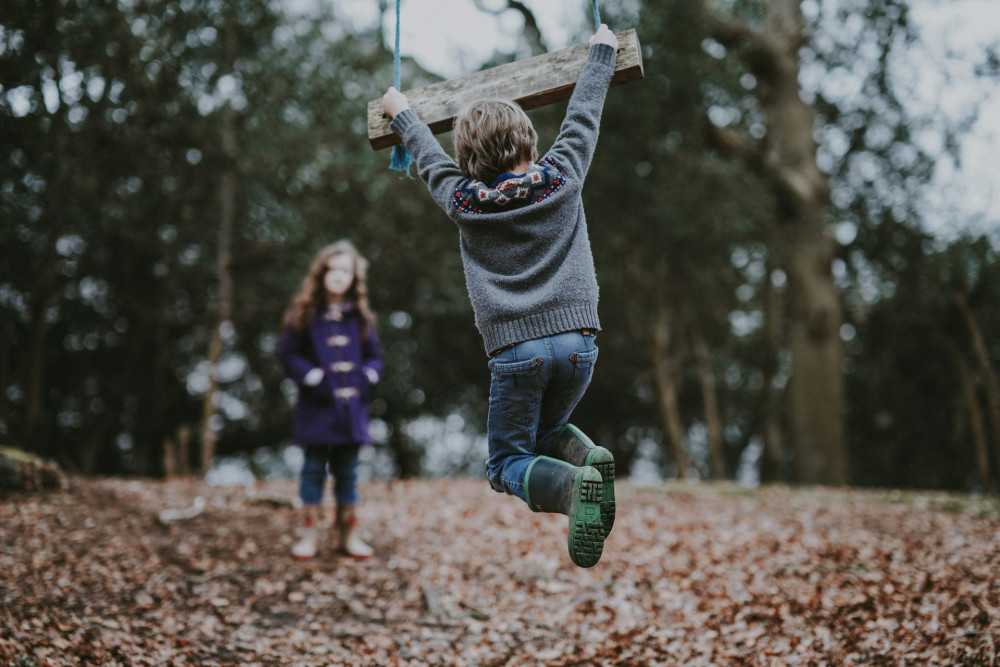
Children’s play doesn’t need plastic, batteries, or fancy equipment to be fun and enriching. In fact, the simplest materials—branches, stones, old tires, or wooden logs—can become magical play worlds where imagination takes the lead. By using recycled and natural materials, you can create sustainable play areas that spark creativity and teach kids to care for the environment.
Why Choose Green Play?
Green play is about bringing nature closer to children’s everyday lives. When kids play with natural materials, they explore, sense, and create on their own terms. This kind of play strengthens motor skills, imagination, and environmental awareness.
It’s also a sustainable approach. Instead of buying new toys, you can reuse materials that already exist—saving both money and resources. It’s a hands-on way to show children that what we throw away can often be given new life.
Læs også:
Start with What You Have
You don’t need a big budget to create an inspiring play space. Look around your home, yard, or neighborhood. Many materials can be reused in creative ways:
- Old pallets can become balance beams, small forts, or benches.
- Tree stumps make great seats, stepping stones, or table bases.
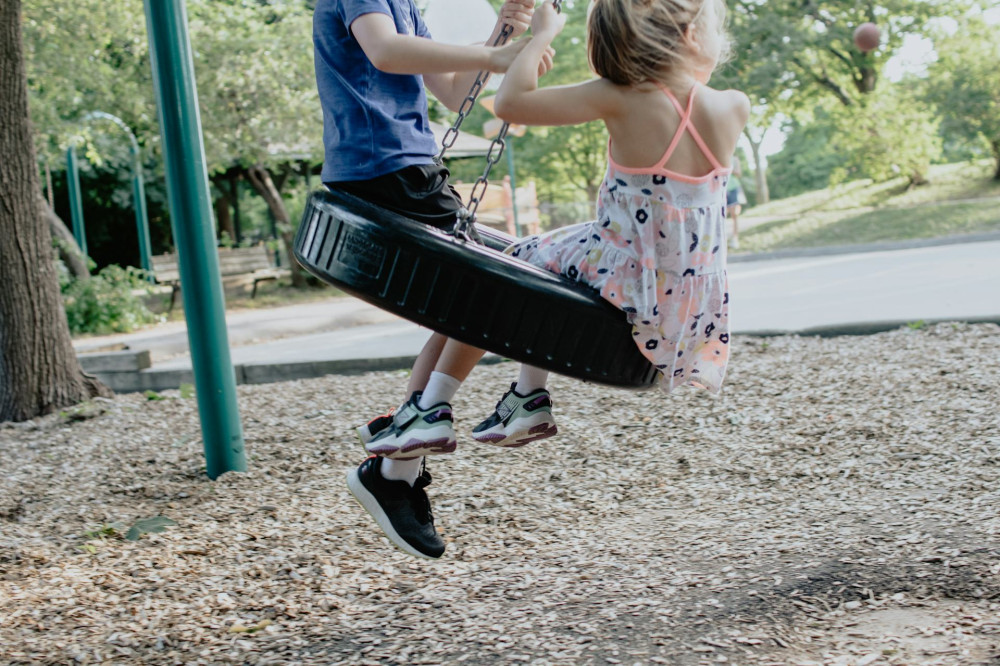
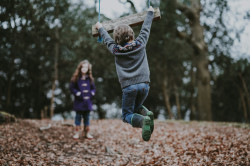
- Tires can be turned into swings, climbing structures, or garden borders.
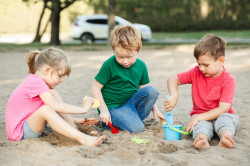
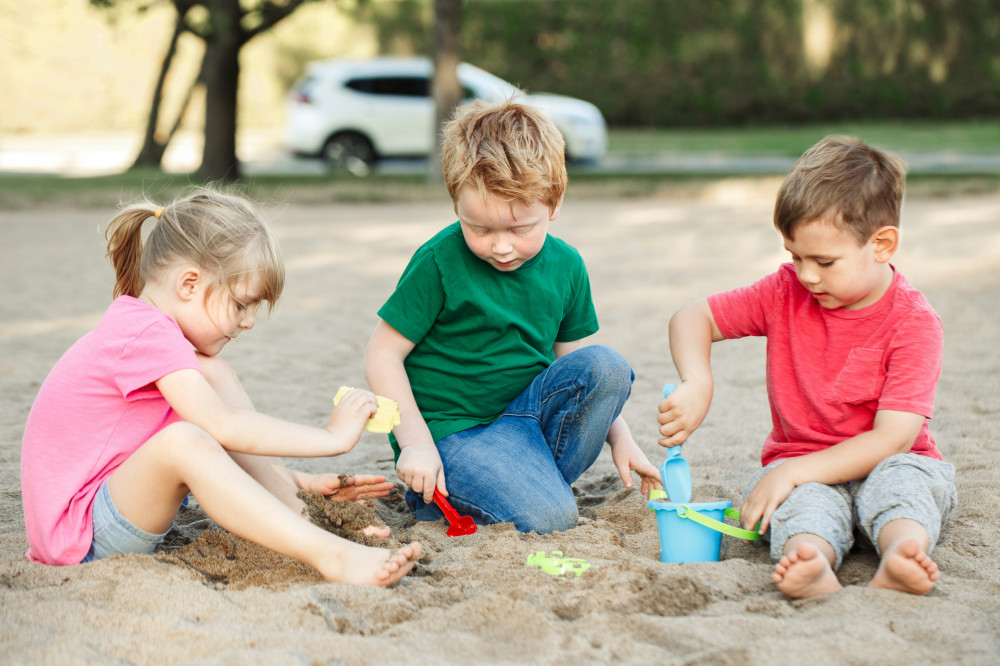
- Rocks and branches can form mazes, forts, or “kitchens” in a sandbox.
- Fabric scraps and ropes can be used to build tents or hammocks.
Safety always comes first. Sand down sharp edges, remove nails, and make sure everything is stable so kids can play safely.
Create Spaces for Imagination and Movement
A great play area invites both active and quiet play. Think in zones where children can explore in different ways:
- Building zone – a place for stacking, moving, and creating with natural materials.
- Movement zone – use stumps, stones, and ropes to make a fun obstacle or balance course.
- Quiet corner – a cozy nook with blankets, plants, and maybe a small “nature kitchen” for pretend play.
- Creative corner – a spot with paint, chalk, or natural dyes where kids can decorate stones, sticks, and leaves.
When children help design and build the space, they gain a sense of ownership and learn teamwork and problem-solving along the way.
Nature as a Playmate
A green play area changes with the seasons. In spring, new plants sprout; in summer, sand and water become building materials; in fall, leaves and pinecones turn into treasures. This helps children experience nature’s rhythm and learn to use what’s available.
You can also include small nature projects: build a bug hotel, plant flowers that attract butterflies, or create a small pond for frogs and birds. These activities help kids understand how nature works—and how to protect it.
Reuse with Care
When using recycled materials, think about safety and durability. Avoid items that can rust, splinter, or contain harmful chemicals. Choose untreated wood, natural stones, and washable fabrics instead.
If you collect materials from construction sites or recycling centers, always ask for permission first. Many places are happy to donate leftover materials for community or family projects.
Play, Learning, and Community
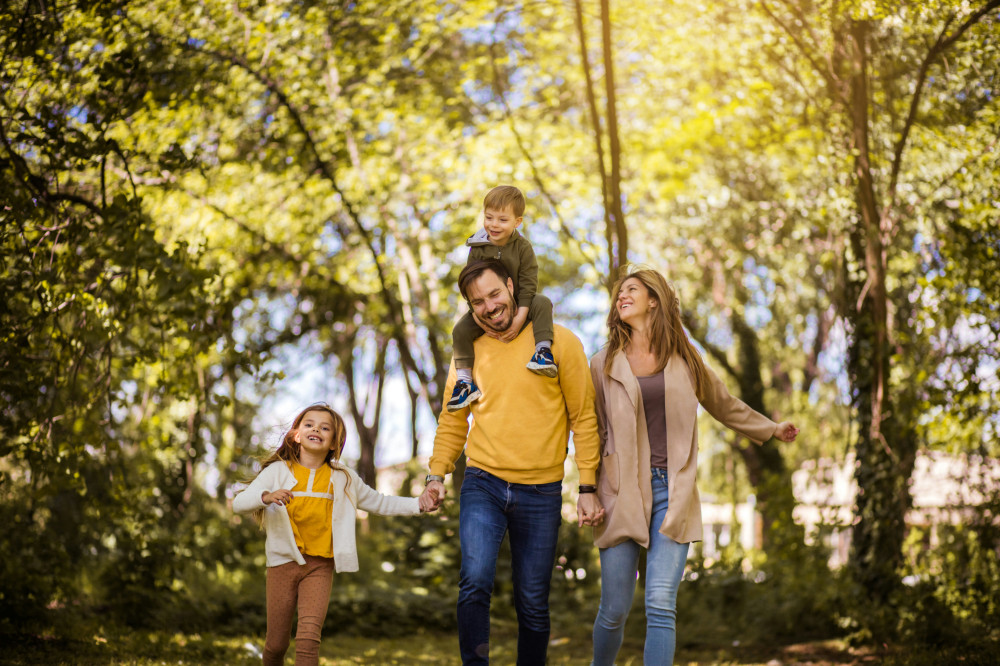
A green play area isn’t just for kids—it can become a gathering place for families and neighbors. When adults join in the building process, it shows children that creativity and sustainability go hand in hand. It’s also a fun way to spend time together, where everyone contributes ideas and effort.
Schools and childcare centers can use green play as part of their learning programs. It’s a hands-on way for children to learn about recycling, nature, and the environment through play.
A Sustainable Investment in Childhood
Creating play areas with recycled and natural materials isn’t just about saving money—it’s about giving children a deeper connection to nature and an understanding that resources can be reused again and again. It’s an investment in their imagination and their future.
When children play green, they learn that the simplest things are often the most valuable—and that nature itself is the best playground we have.
Læs også: