Baby Carrier, Wrap, or Mei Tai? How to Choose the Option That’s Best for You and Your Baby

Baby Carrier, Wrap, or Mei Tai? How to Choose the Option That’s Best for You and Your Baby
Carrying your baby close to your body offers comfort, connection, and freedom in everyday life. But when you’re faced with choosing between a baby carrier, a wrap, or a mei tai, it can be hard to know which one fits your needs best. Each option has its own advantages, and the right choice depends on your baby’s age, your body type, and how much flexibility you want. Here’s a guide to help you find the best babywearing solution for you and your little one.
Why Babywear?
Babywearing isn’t just convenient—it’s also beneficial for both parent and baby. Your baby feels your warmth, heartbeat, and movements, which provides a sense of security and calm. At the same time, it frees up your hands so you can handle daily tasks more easily.
Research suggests that babies who are carried often cry less and sleep better. For parents, babywearing can strengthen bonding, especially in the early months when babies crave closeness and comfort.
Baby Carrier – Quick and Convenient for Everyday Use
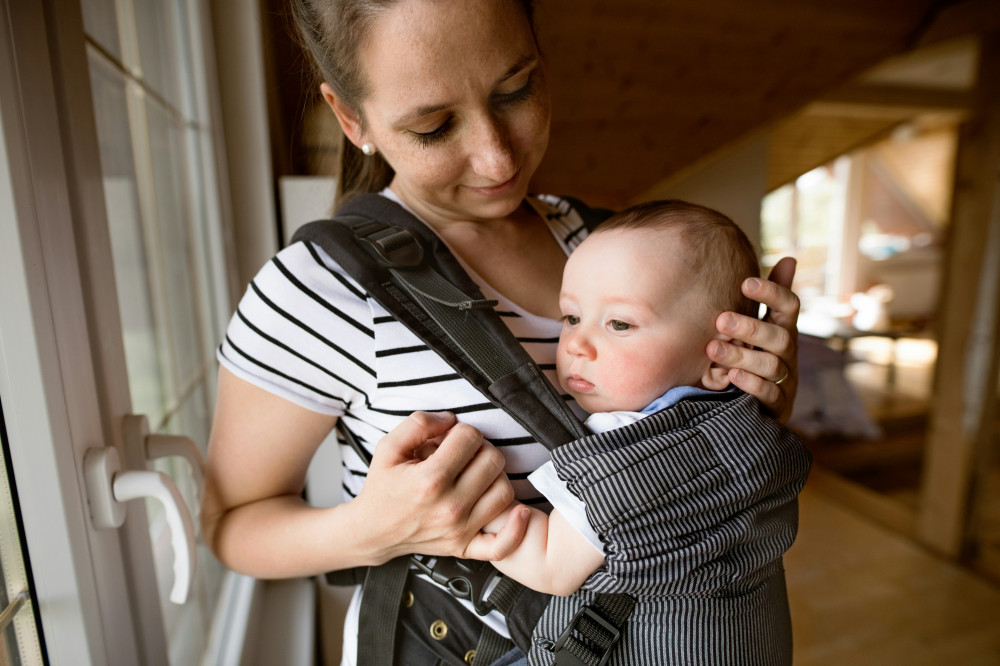
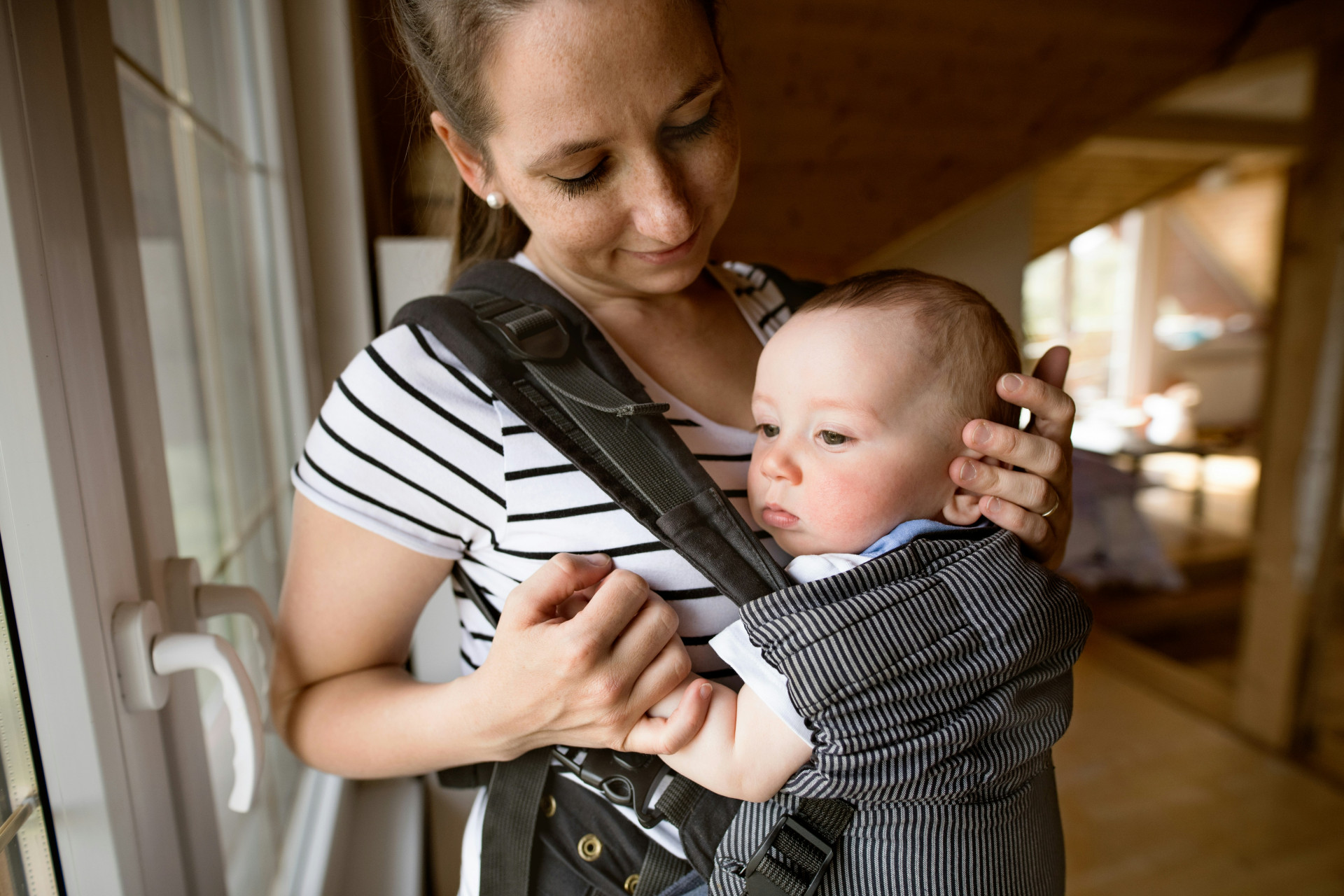
For many parents, a structured baby carrier is the most practical choice. It’s quick to put on, easy to adjust, and doesn’t require much practice. Most models can be used from newborn (with an infant insert) up to toddler age, depending on the weight limit.
Pros:
- Fast to put on and take off—perfect for errands or busy days.
- Ergonomic designs support both your baby’s hips and your back.
- Easy to share between caregivers without major adjustments.
Cons:
- Can feel warm in hot weather.
- Some models don’t fit very small newborns perfectly.
- Offers fewer carrying positions than a wrap.
When choosing a carrier, look for one that supports your baby’s legs in an “M” shape—with knees higher than the bottom. This ensures a healthy hip position.
Wrap – Flexible and Close Contact
A wrap is a long piece of fabric that you tie around yourself and your baby. It can seem intimidating at first, but once you learn the technique, it provides an incredibly snug and comfortable carrying experience.
There are two main types: stretchy wraps, which are soft and elastic, and woven wraps, which offer more support and can be used for heavier babies.
Pros:
- Provides maximum closeness and support.
- Customizable fit for both you and your baby.
- Can be used in multiple positions—front, hip, or back.
Cons:
- Takes practice to tie correctly.
- Can feel warm in summer.
- Less convenient if you need to take your baby in and out frequently.
A wrap is ideal for quiet moments—naps, nursing, or peaceful walks—when you want your baby close and secure.
Mei Tai – A Balance Between Carrier and Wrap
A mei tai (also called meh dai) is a traditional Asian-style carrier that combines the best features of both a structured carrier and a wrap. It consists of a square panel with four fabric straps that you tie around your body. It offers the support of a carrier with the flexibility of a wrap.
Pros:
- Easy to adjust and share between caregivers.
- Suitable from infancy through toddlerhood.
- Distributes weight evenly and supports ergonomic positioning.
Cons:
- Requires a bit of practice to tie properly.
- Not as quick to put on as a buckle carrier.
- Fewer models available compared to structured carriers.
A mei tai is a great choice if you want a natural, adaptable option but don’t want to master long wrapping techniques.
Læs også:


What to Consider Before Choosing
When deciding which babywearing option is right for you, think about the following factors:
- Your baby’s age and weight: Newborns need extra head and neck support, while older babies need more weight distribution.
- Your body type: Some carriers fit better on broader shoulders or shorter torsos—try several to find the best fit.
- How you’ll use it: Will you wear your baby for long walks or just short trips?
- Comfort and materials: Choose breathable fabrics, especially if you live in a warm climate or plan to wear your baby outdoors.
It can be helpful to visit a babywearing consultant or a store where you can try different options and get help adjusting them correctly.
Tips for a Safe and Comfortable Babywearing Experience
No matter which option you choose, a few basic principles ensure comfort and safety for both you and your baby:
- Your baby’s face should always be visible and unobstructed.
- Keep your baby close enough to kiss—this is a good height guideline.
- Support your baby’s back while allowing natural movement.
- Adjust regularly to distribute weight evenly and prevent shoulder or back strain.
With the right fit and technique, babywearing can become a natural, comforting part of your daily routine—for both you and your baby.
The Best Choice Is the One That Works for You
There’s no single “right” way to babywear. Some parents love the closeness of a wrap, while others prefer the convenience of a structured carrier. The most important thing is that you feel comfortable and your baby is supported safely and ergonomically.
Try different options, listen to your body, and remember—babywearing is ultimately about closeness, comfort, and love.
Læs også: