Is Your Baby Positioned Correctly? Tips for Ergonomic Support in the Bassinet


Is Your Baby Positioned Correctly? Tips for Ergonomic Support in the Bassinet
When your newborn drifts off to sleep, the bassinet is often their first little “nest” — a cozy space where they spend many hours each day. That’s why it’s so important to make sure your baby is lying correctly. Proper positioning supports comfort, safety, and healthy development of the spine and neck. With the right ergonomic setup, you can help prevent flat head syndrome, tension, and restless sleep. Here’s what you need to know to ensure your baby rests safely and comfortably.
Why Ergonomics Matter — Even for Newborns
A newborn’s body is soft and flexible. The bones in the skull haven’t fully fused, and the spine naturally curves in a gentle C-shape. The surface your baby lies on should support this shape without pressing the body flat. A surface that’s too hard or uneven can create pressure points, while one that’s too soft can increase the risk of suffocation or restricted breathing.
In this context, ergonomics means finding the right balance between support and freedom of movement — so your baby lies securely but can still move their head and limbs naturally.
How to Check If Your Baby Is Positioned Correctly
When placing your baby in the bassinet, use these simple guidelines:
- Head in line with the body. Avoid letting it tilt too far to the side or backward.
- Natural curve in the back. The spine should maintain its gentle C-shape.
- Hips slightly bent and open. This supports healthy hip development and allows free movement.
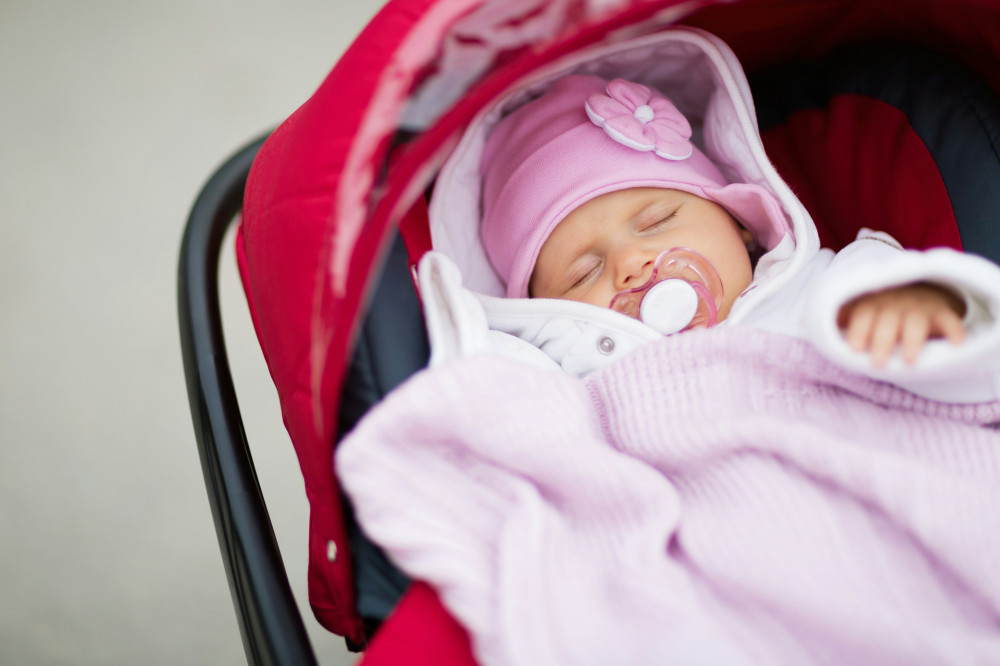
- Face clear and uncovered. Keep blankets, toys, and pillows away from the nose and mouth.
A quick visual check helps: look at your baby from the side. If the head, neck, and back form a smooth, natural line without sharp angles, your baby is likely well-positioned.
Choosing the Right Mattress and Support
The bassinet mattress plays a key role in your baby’s comfort and safety. It should be firm but not hard, with a flat, even surface. In the U.S., the American Academy of Pediatrics (AAP) recommends a firm, tight-fitting mattress covered with a fitted sheet — and nothing else in the sleep space.
Avoid using pillows, wedges, or extra padding unless specifically designed and approved for infant use. Too much cushioning can increase the risk of overheating or suffocation. A breathable fitted sheet and a lightweight swaddle or sleep sack are usually all that’s needed.
Temperature and Breathing — Two Key Factors
Even the best ergonomic setup won’t help if your baby gets too warm or can’t breathe freely. Keep the bassinet away from direct sunlight, heaters, or air vents. Dress your baby in light, breathable layers made from cotton or other natural fibers.
A good rule of thumb: if your baby’s neck feels sweaty, they’re too warm. Maintaining a comfortable room temperature (around 68–72°F) and ensuring good airflow will help your baby sleep more peacefully and move naturally.
Læs også:

Adjusting as Your Baby Grows
As your baby grows, their need for support changes. In the first few months, stability and a snug environment are most important. Around three to four months, babies start moving more actively and may outgrow the bassinet.
At that stage, consider transitioning to a crib with a firm, flat mattress that allows more room for movement. This supports muscle development and helps your baby practice rolling and stretching safely.
Small Adjustments That Make a Big Difference
- Alternate the direction your baby’s head faces when you lay them down to sleep.
- If your baby has mild reflux, talk to your pediatrician before using any incline or wedge — only use products approved for safe sleep.
- Make sure the bassinet is placed on a stable, flat surface and doesn’t rock or tilt when set down.
These small steps can help ensure your baby sleeps safely and develops in a healthy, natural way.
Comfort and Safety Go Hand in Hand
Proper positioning isn’t just about technique — it’s about creating a sense of comfort and security. When your baby feels supported and relaxed, they sleep better, and so do you.
With a few mindful habits and the right equipment, you can give your baby the best start — one peaceful nap at a time.
Læs også: