Creativity at the Museum: When Children Explore and Learn Through Play and Workshops

Creativity at the Museum: When Children Explore and Learn Through Play and Workshops
Museums across the United States are transforming from quiet halls of observation into vibrant spaces of exploration and creativity. No longer limited to “look but don’t touch,” many museums now invite children to engage, build, experiment, and imagine. Through play and hands-on workshops, young visitors can connect with art, history, and science in ways that spark curiosity and make learning come alive.
From “Do Not Touch” to “Please Explore”
For decades, museums were places of quiet reverence, where children were expected to observe from a distance. But as educational thinking has evolved, so too have museums. Today, the focus is on participation and discovery. When children are encouraged to create, test ideas, and interact with exhibits, their experience becomes both meaningful and memorable.
At a history museum, kids might try writing with a quill pen, churning butter, or dressing up as pioneers. At an art museum, they might paint, sculpt, or design their own mini-exhibits inspired by what they’ve seen. These activities make learning tangible and personal—showing that knowledge isn’t just something to read about, but something to experience.
Learning Through Play
Play is a child’s natural way of understanding the world. When museums use play as a teaching tool, complex topics become accessible and engaging. A science museum might invite children to build simple machines or test the laws of motion, while a natural history museum could offer a “dinosaur dig” where kids uncover replica fossils.
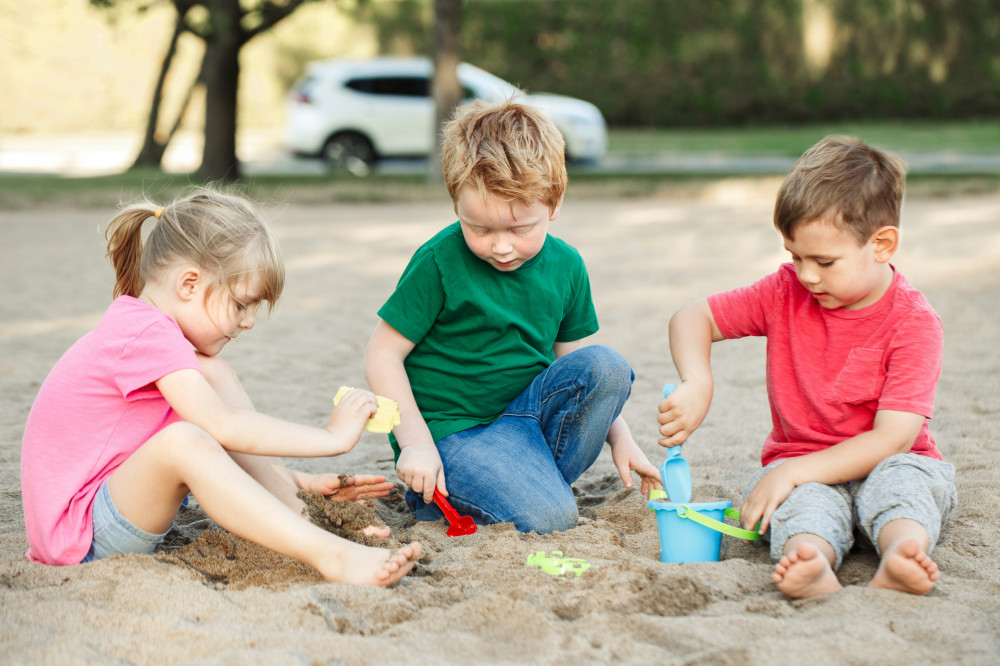
Through play, children learn without realizing it. They experiment, collaborate, and problem-solve, all while having fun. This kind of learning builds confidence and creativity, helping them see that their ideas matter and that mistakes are part of discovery.
Workshops as Creative Spaces
Many museums now feature dedicated studios or maker spaces where children can create with their own hands. These workshops are places of freedom—where it’s okay to get messy, try new things, and start over. Materials are often open-ended: paint, cardboard, recycled objects, clay, or natural materials like stones and leaves. Some museums even focus on sustainability, encouraging kids to think creatively about reusing and repurposing materials.
A well-designed workshop gives children ownership of their learning. It’s not about following instructions, but about exploring possibilities. In these spaces, imagination takes the lead.
Shared Experiences for Families
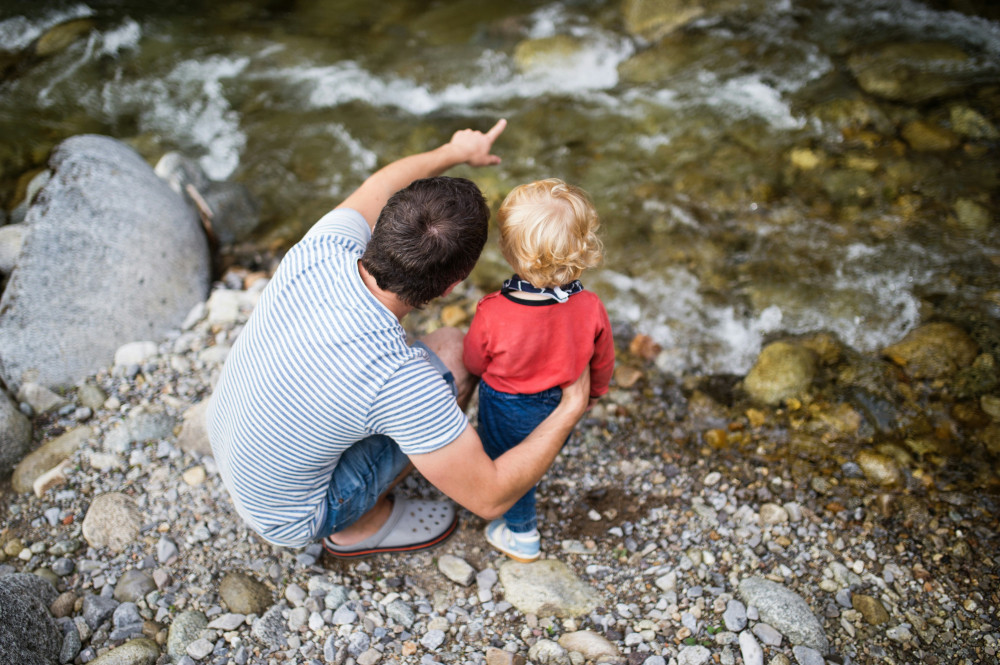
Museum visits are most rewarding when adults join in the fun. When parents or grandparents participate, conversations and shared discoveries strengthen family bonds. Building a small bridge in an engineering workshop or guessing how an ancient tool was used can turn a simple visit into a lasting memory.
Museums that succeed in engaging both children and adults create environments where everyone feels welcome. Exhibits that invite dialogue rather than lectures encourage curiosity across generations.
Læs også:
Museums as Classrooms Beyond School
Across the country, schools and educators are partnering with museums to extend learning beyond the classroom. A trip to an art museum can complement lessons in visual arts, while a visit to a science center can bring physics or environmental studies to life. When children see real-world examples of what they’ve learned in school, the knowledge sticks. They remember the texture of clay, the sound of a blacksmith’s hammer, or the excitement of a hands-on experiment.
These experiences show that learning doesn’t have to be confined to textbooks—it can be lived, felt, and remembered.
A Lasting Impact
A creative museum visit often continues long after the day is over. Children might recreate what they saw at home, build their own “museum” from favorite objects, or tell stories inspired by their experiences. For museums, that’s the ultimate success: when curiosity continues to grow beyond their walls.
In the end, creativity at the museum is about more than art projects or playtime. It’s about nurturing a lifelong love of learning—showing children that discovery is everywhere, and that imagination is one of the most powerful tools they have.
Læs også: