Vacation Balance: Plan Family-Friendly Activities Without Forgetting Rest and Spontaneity


Vacation Balance: Plan Family-Friendly Activities Without Forgetting Rest and Spontaneity
Summer vacation is just around the corner, and the calendar is starting to fill up with plans. For many families, this is the highlight of the year – a time to be together, explore new places, and make lasting memories. But in the effort to give kids a fun and meaningful break, it can be tricky to find the right balance between activities and downtime. How do you plan a vacation that includes both adventure and rest – and still leaves room for spontaneity?
Plan With Your Kids – But Not Every Minute
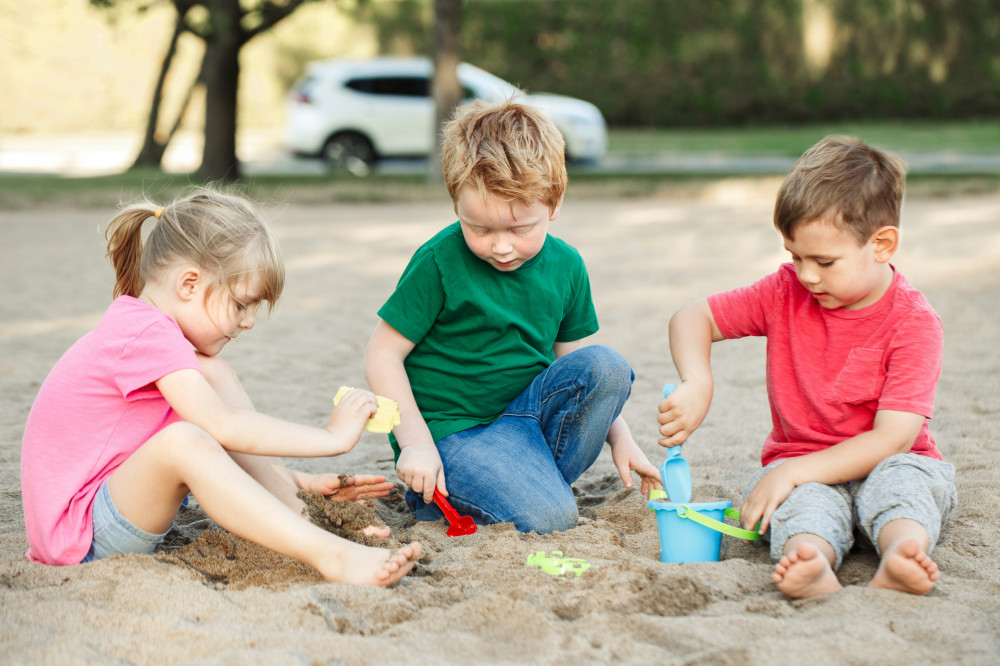
It’s tempting to plan every detail of your trip to make sure everyone gets what they want. But kids often thrive when there’s space for free play and unexpected discoveries.
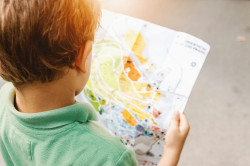
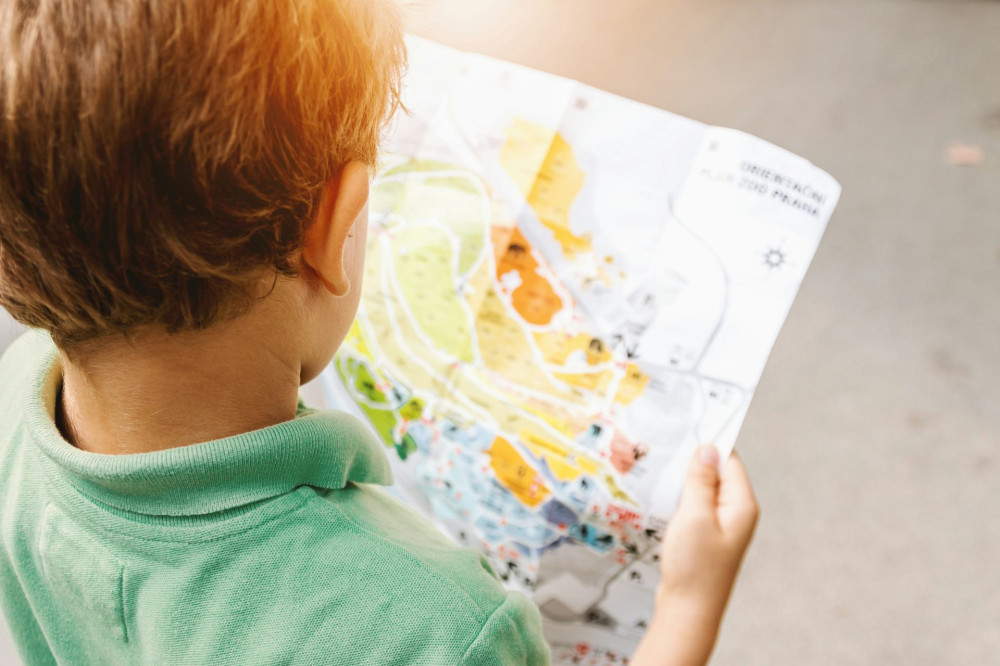
Involve your children in the planning process – ask what they’d like to do and let each child choose a couple of activities. This gives them a sense of ownership and makes the vacation more meaningful. At the same time, leave some days open. The mornings when you wake up without a set plan often turn into the most memorable ones.
A good rule of thumb is to plan one main activity per day and keep the rest of the time flexible. That way, you have structure without stress.
Mix Up the Pace
A great vacation doesn’t have to mean traveling far or spending a fortune. What matters most is variety – both in pace and in what you do.
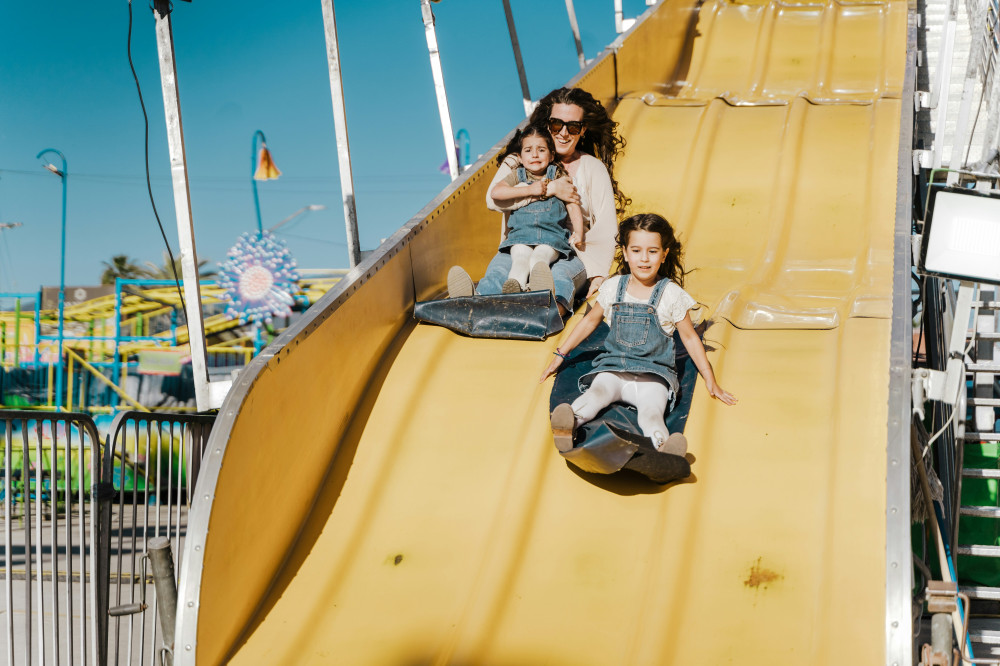
- Active days might include hiking, biking, or visiting a theme park.
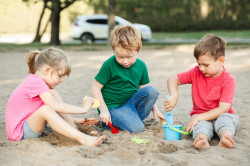
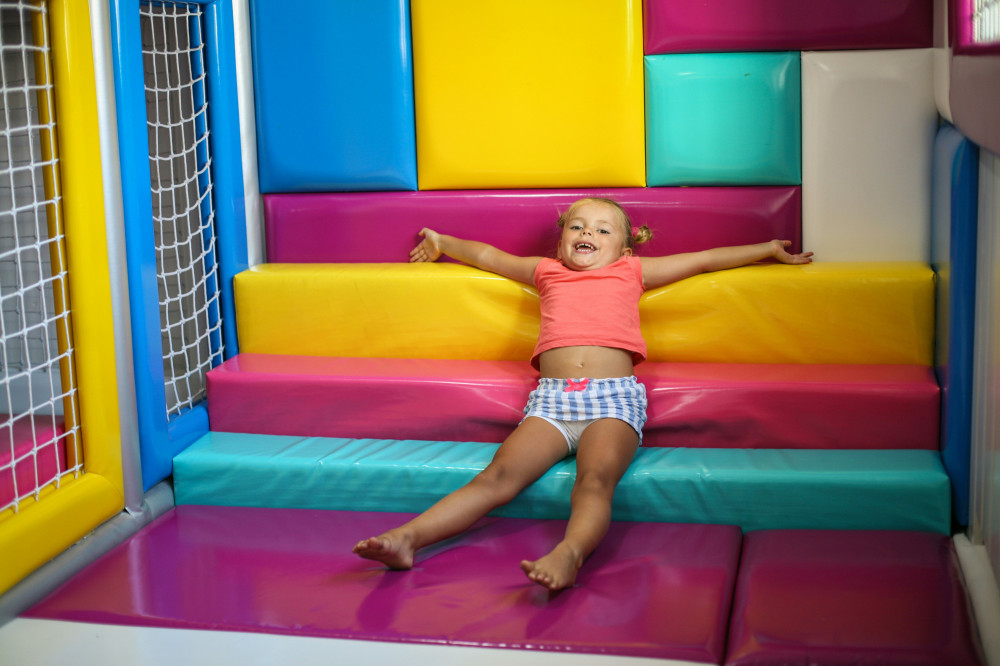
- Relaxed days could be spent reading, playing board games, or lounging by the pool.
- Exploration days might involve a trip to a local museum, farmers market, or state park.
By alternating between different types of days, both kids and adults can recharge and enjoy the vacation at their own rhythm.
Don’t Forget the Parents
Vacations aren’t just about keeping the kids entertained. They’re also a chance for parents to unwind. Many adults return from family trips more tired than when they left because they’ve been trying to make everything perfect.
Make sure there’s time for the grown-ups to relax too – maybe with a quiet morning coffee, a solo walk, or a few chapters of a good book while the kids play. It’s healthy for children to see that rest is an important part of vacation life.
Let Spontaneity Lead the Way
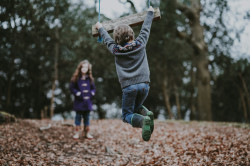
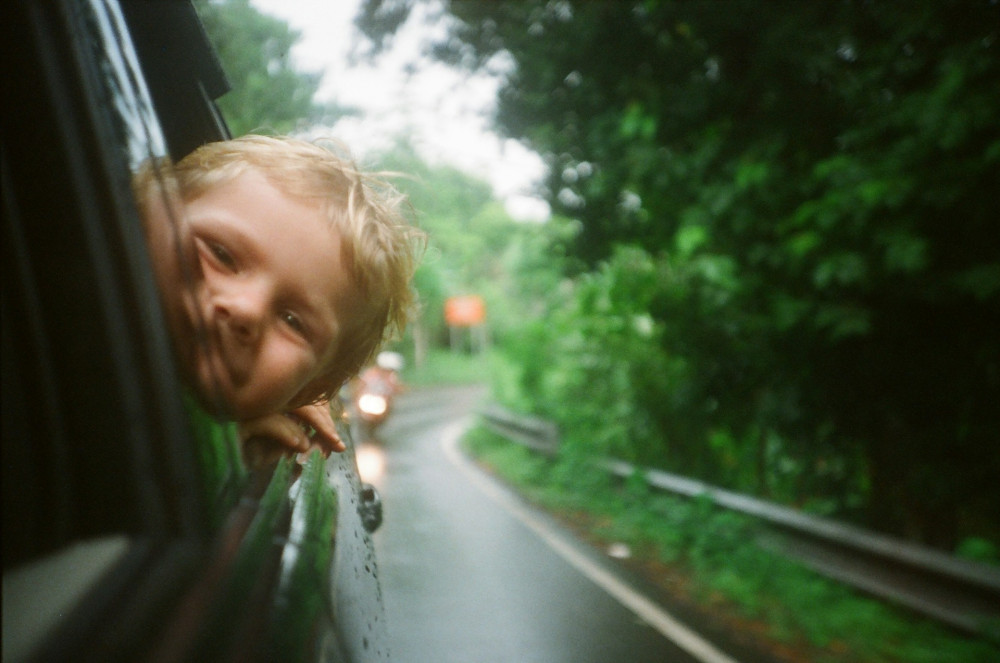
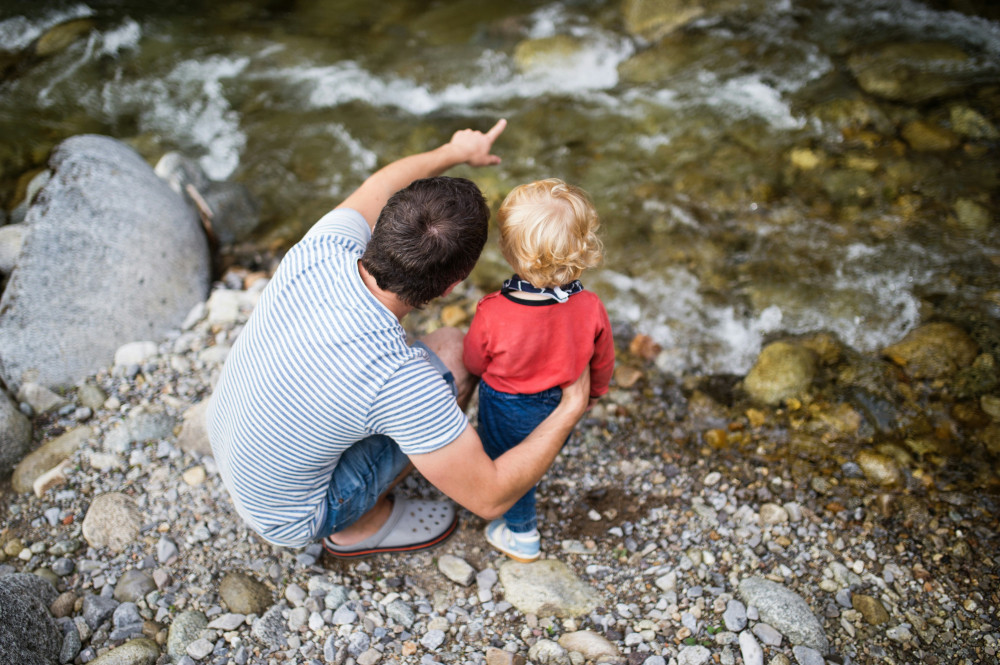
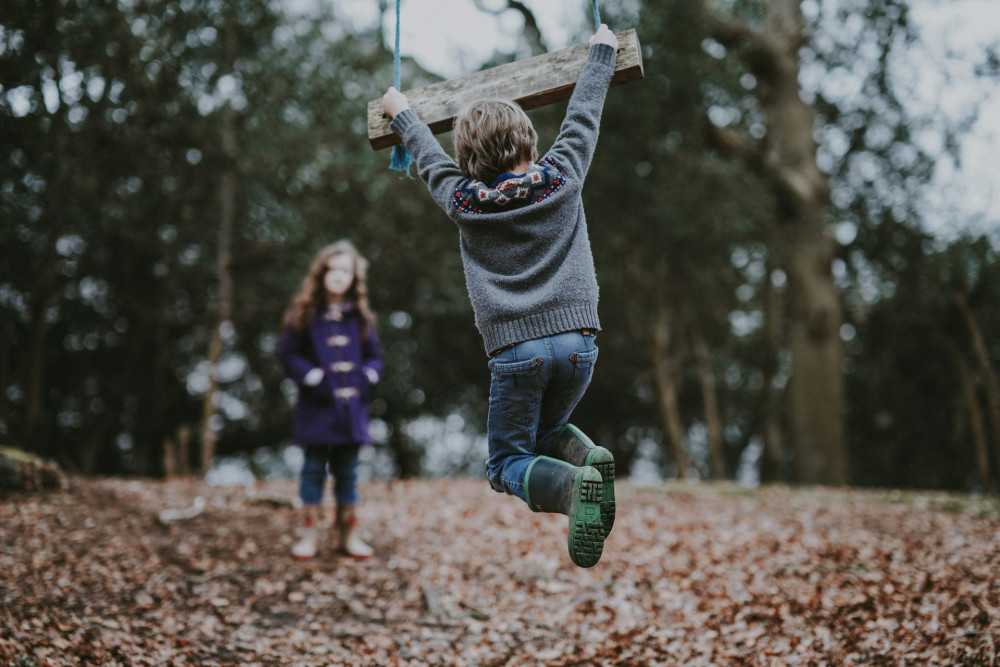
While planning brings comfort, it’s often the unplanned moments that become the best memories. A surprise stop for ice cream, a sudden rain shower that turns into a puddle-jumping contest, or a last-minute sunset walk on the beach – these are the moments that give a vacation its heart.
Be open to changing plans if the weather, mood, or energy levels call for something different. It teaches kids that flexibility can lead to joy – a lesson that goes far beyond vacation.
Create Simple Traditions
Traditions give vacations a sense of continuity and joy. They don’t have to be elaborate – maybe it’s pancakes on the first morning of the trip, a yearly visit to a favorite park, or a family movie night with popcorn.
These small rituals create comfort and anticipation for kids, and they can evolve as your family grows. What starts as a beach day might one day become a hiking trip or a backyard campout.
Læs også:


Ease Back Into Everyday Life
The transition from vacation to daily routines can be tough for both kids and adults. Try to plan a calm ending to your break – perhaps a quiet weekend at home to unpack, look through photos, and talk about your favorite moments.
This helps everyone process the experience and return to normal life feeling refreshed rather than rushed.
A Vacation With Balance
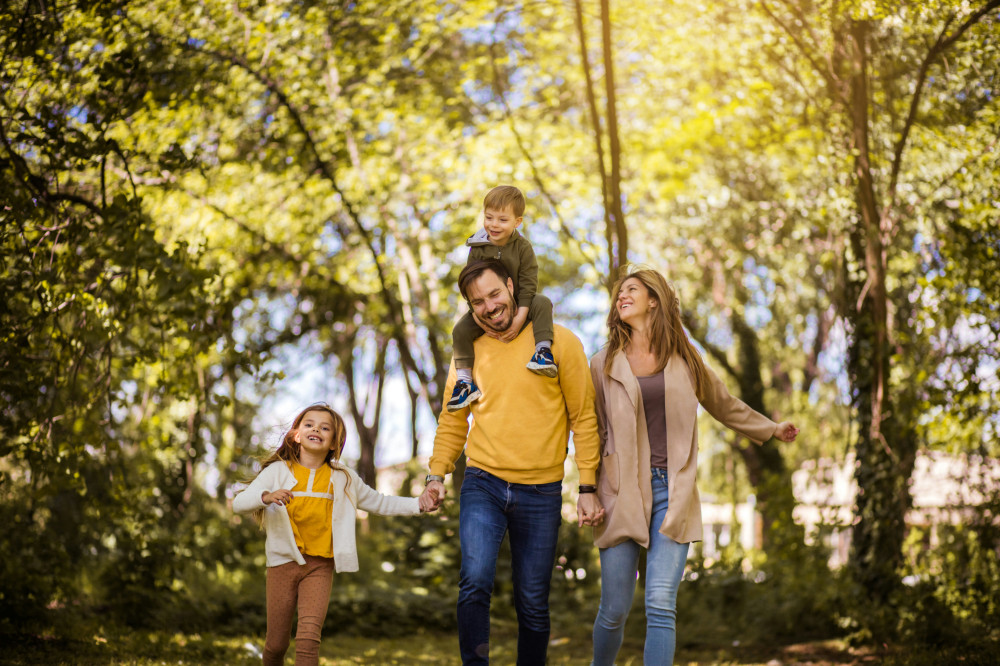
A great vacation doesn’t have to be perfect. What matters most is that there’s room for laughter, rest, and connection. When you find the balance between planning and spontaneity, your family vacation becomes more than just time off – it becomes time truly spent together.
Læs også: