Learning Through Play: Support Your Child’s Initiative and Foster Curiosity

Learning Through Play: Support Your Child’s Initiative and Foster Curiosity
Children don’t learn only when they sit quietly with a pencil and paper. They learn when they explore, experiment, play, and ask questions. Learning through play means giving children the freedom to discover the world on their own terms—and supporting the natural curiosity that drives all growth. When adults make room for a child’s initiative, it nurtures creativity, confidence, and a lifelong love of learning.
Play as the Engine of Learning
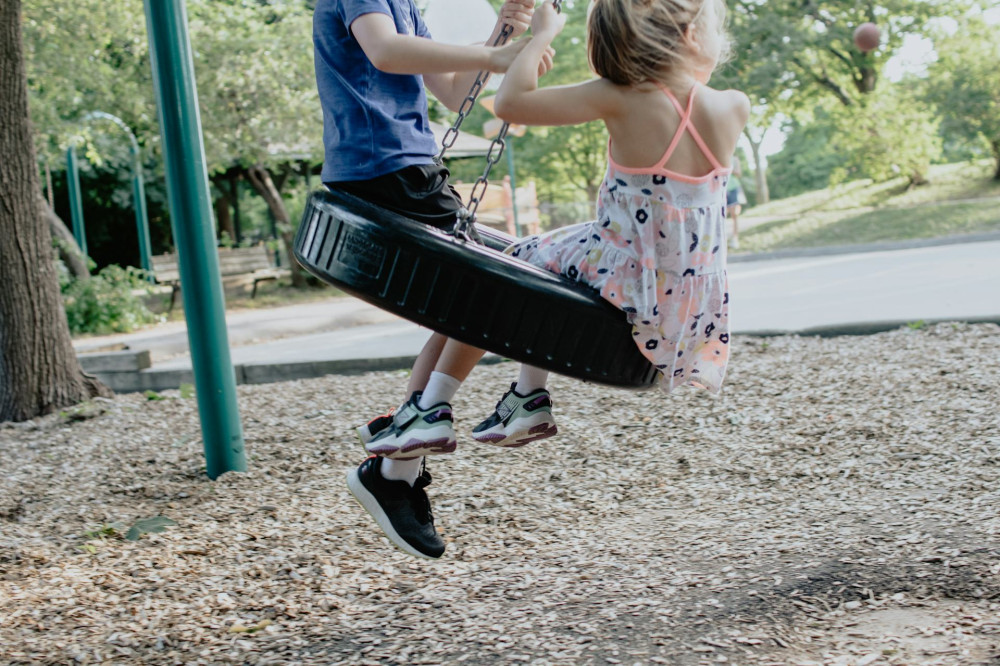
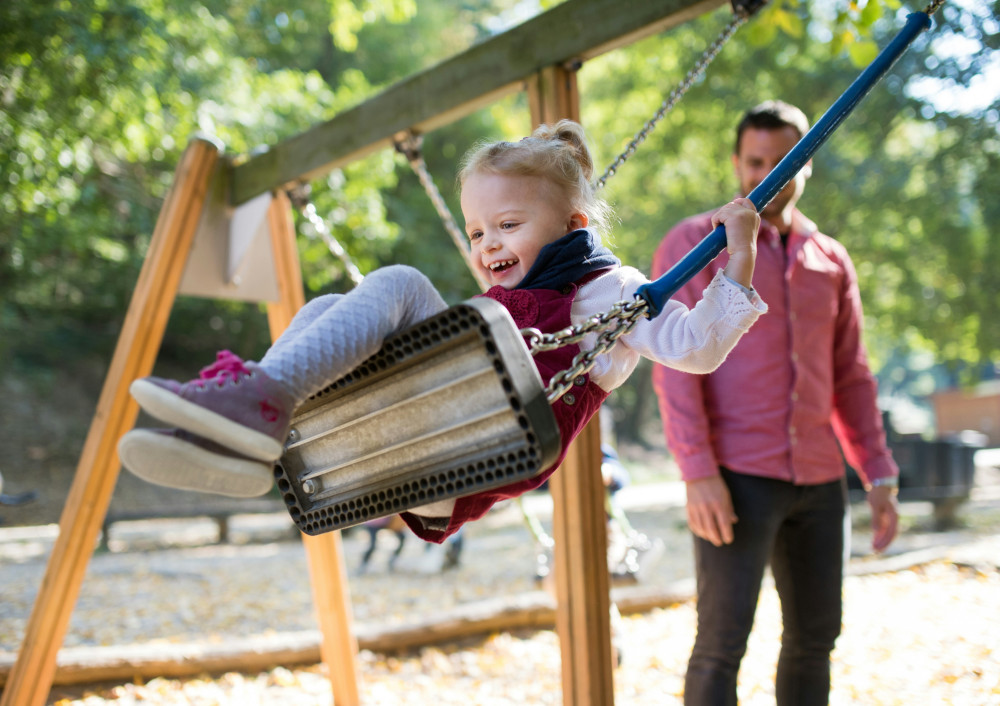
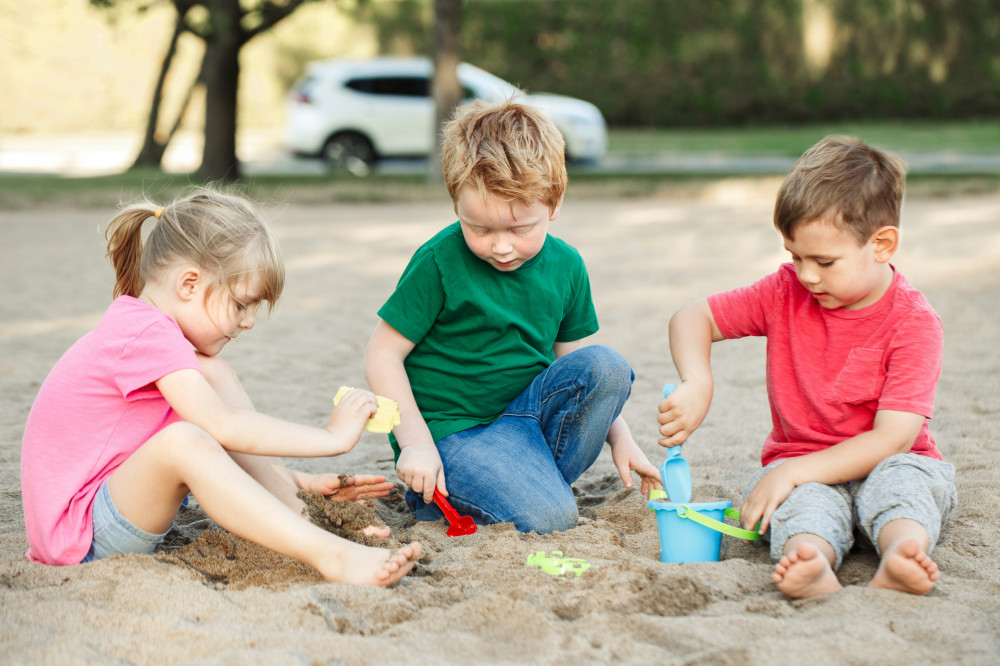
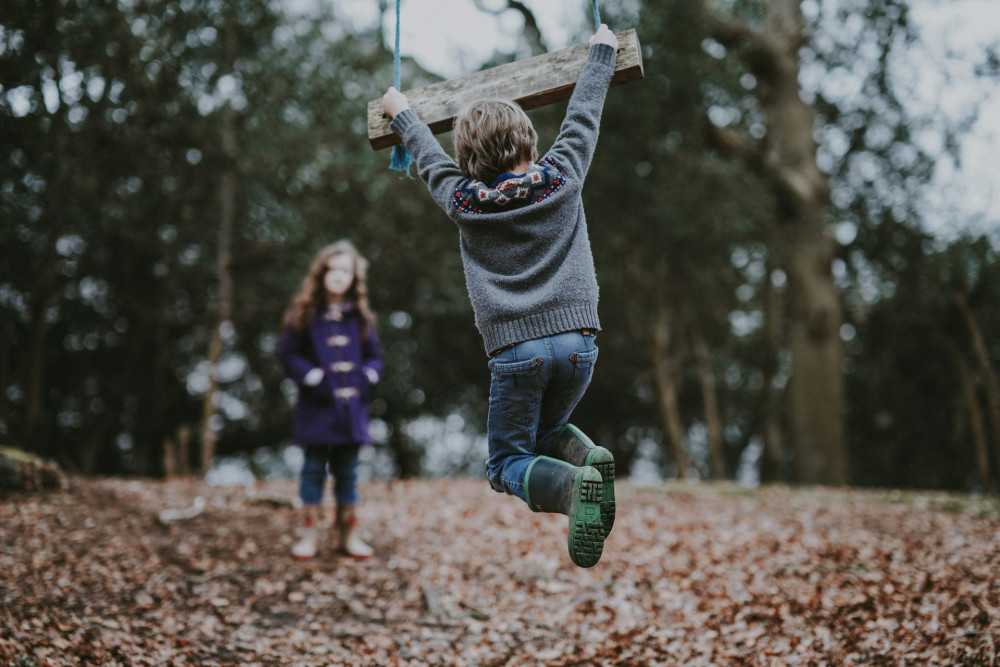
Play is how children make sense of the world. Through play, they test roles, rules, and relationships. They learn to cooperate, solve problems, and think creatively. When a child builds a tower of blocks, plays store, or invents a new game, it’s not just entertainment—it’s learning in action.
Research in child development shows that children who are given time for free play and exploration develop stronger social and cognitive skills. They become more independent and resilient when facing challenges. Play allows them to make mistakes without fear—and it’s often in those mistakes that the deepest learning happens.
Læs også:



Making Space for Your Child’s Initiative
As adults, it can be tempting to step in and direct the play or offer solutions when a child gets stuck. But some of the most valuable moments occur when the child finds their own way forward. It takes patience to step back and let your child take the lead, but that’s when curiosity truly flourishes.
Try asking open-ended questions instead of giving instructions:
- “What do you think will happen if you try it another way?”
- “How could we figure that out together?”
By doing this, you become a co-explorer rather than an instructor. You show your child that their ideas matter—and that builds both motivation and confidence.
Creating an Environment That Invites Play and Learning
A rich learning environment doesn’t require expensive toys. What matters most is access to materials that can be used in many ways: building blocks, cardboard boxes, art supplies, natural objects, and everyday household items. When children can choose and combine materials freely, creativity thrives.
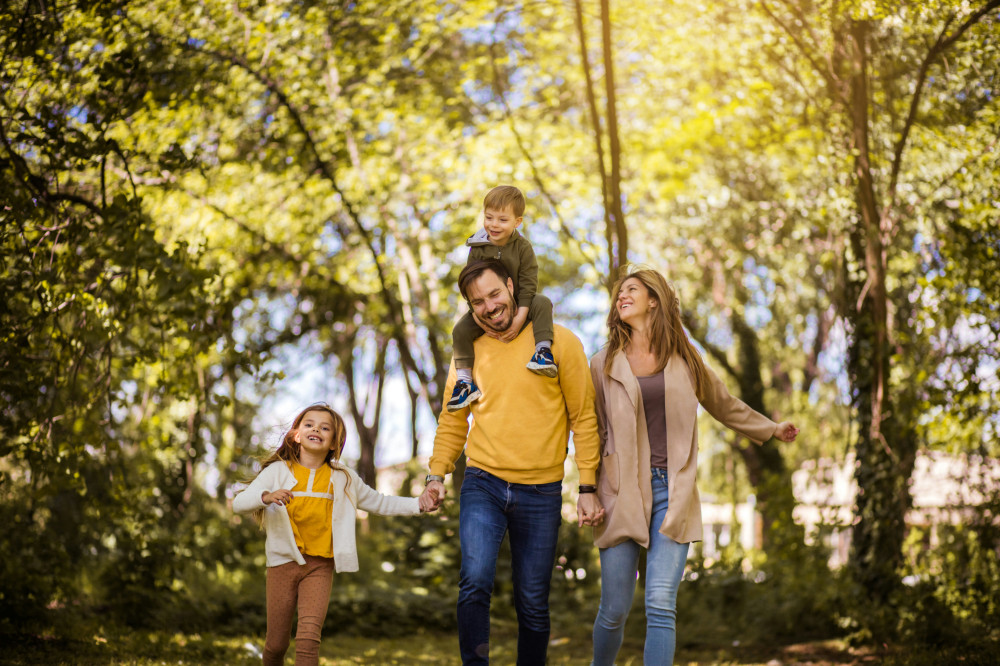
Think about how your home or classroom is set up. A corner where it’s okay to build, tinker, and make a mess can be invaluable. And don’t forget the outdoors—nature is a wonderful classroom where children can explore, use their senses, and move their bodies. A walk in the park, a backyard garden, or even a puddle after the rain can spark endless curiosity.
Learning Through Play in Everyday Life
Learning through play doesn’t have to be a special project. It can happen in the small moments of daily life:
- When cooking together, your child can measure, count, and experiment with flavors.
- On a walk, you can look for shapes, colors, and patterns in the environment.
- During playdates, children learn to negotiate, share, and understand others’ perspectives.
When you see everyday life as a learning space, it becomes clear that play and learning aren’t separate—they’re two sides of the same coin.
When Curiosity Becomes the Driving Force
Children are born curious. They want to know how things work, why things happen, and what’s around the next corner. That curiosity is a powerful force that can fuel learning for a lifetime—if it’s allowed to thrive.
You can support it by showing interest in your child’s questions, wondering together, and giving space to explore possible answers. It’s not about having all the answers—it’s about showing that finding them is exciting.
When children feel safe to ask questions and try things out, they develop an inner motivation to learn. And that motivation makes all the difference—in school and beyond.
An Investment in the Future
Supporting your child’s initiative and curiosity through play isn’t just a fun activity—it’s an investment in their future. Play builds the ability to think independently, collaborate, and solve problems—skills that are essential in a world that’s constantly changing.
When we, as adults, dare to let go of control and be curious alongside our children, we show them that learning isn’t about getting it right—it’s about exploring boldly. That’s how children learn best—and how they keep their love of learning alive for life.
Læs også: