Sensory Play for Little Ones: How Babies Explore the World Through Their Senses


Sensory Play for Little Ones: How Babies Explore the World Through Their Senses
From the moment a baby is born, the senses are their gateway to the world. Through sight, hearing, touch, taste, and smell, babies begin to understand who they are and how everything around them connects. Sensory play is about giving your baby the chance to explore and experience with their whole body—in a safe, playful way. Here’s how babies use their senses to learn and how you can support that natural curiosity through everyday play.
The Senses as the Foundation for Learning
Even in the first days of life, babies are busy sensing. They feel skin against skin, hear familiar voices, see light and shadow, and respond to smells. The senses aren’t just for experiencing the world—they’re the building blocks for all later learning. When a baby touches, tastes, and listens, their brain forms connections that will later support language, movement, and social skills.
That’s why sensory play isn’t just entertainment—it’s an essential part of development. It’s about giving your baby space to explore, without overwhelming them.
The Five Classic Senses—and a Few More
Most of us know the five classic senses, but babies also rely on a few others that are just as important.
- Sight develops gradually. Newborns can only see a short distance, but within a few months they begin to follow movement and recognize faces. High-contrast patterns and gentle motion capture their attention.
- Hearing is sharp from the start. Babies quickly recognize their parents’ voices and respond to rhythm and tone. Singing and soft music can bring comfort and joy.
- Touch is central to early learning. Through touch, babies discover the difference between warm and cool, soft and rough, wet and dry. Skin-to-skin contact strengthens both security and bonding.
- Taste and smell help babies recognize parents and food. Even before birth, babies become familiar with flavors from their mother’s diet.
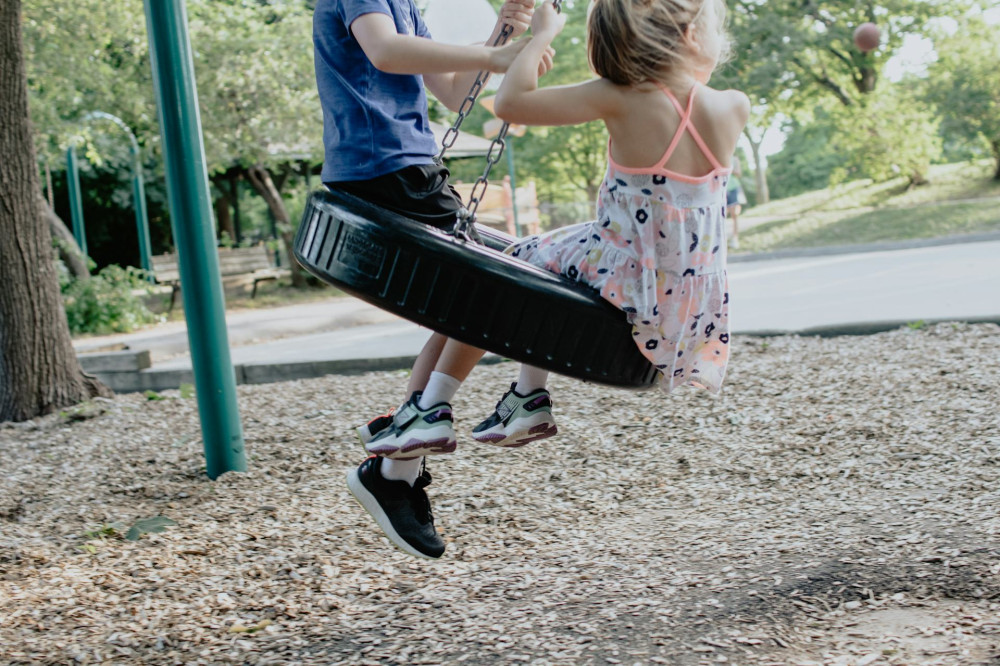
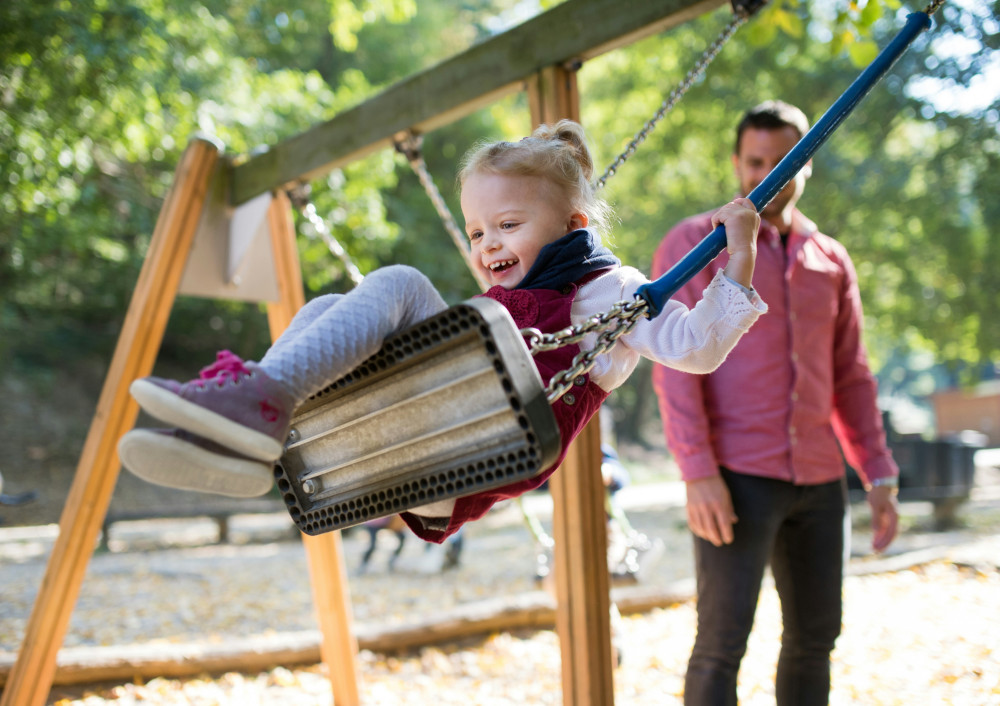
- Balance and body awareness (the vestibular and proprioceptive senses) help babies understand where their body is in space. Rocking, swinging, or gentle movement stimulates these senses and supports coordination.
Læs også:




Sensory Play in Everyday Life
Sensory play doesn’t require fancy toys or special equipment. The best experiences often happen naturally throughout the day. Here are a few simple ideas:
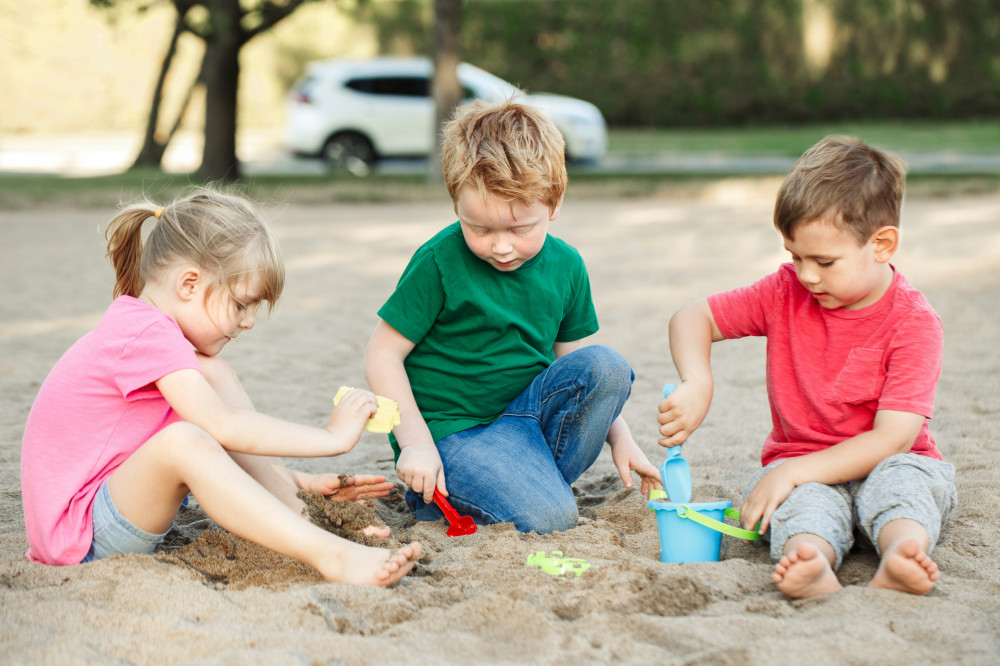
- Texture play: Let your baby feel different materials—a soft blanket, a cool spoon, a bumpy sponge. Talk about how each one feels.
- Sound play: Use rattles, wooden spoons, or your own voice. Alternate between loud and quiet sounds and watch how your baby reacts.
- Light and shadow: A flashlight, a mirror, or sunlight through the window can create fascinating patterns. Explore them together.
- Water play: A shallow bowl of warm water invites splashing and helps your baby feel temperature and movement.
- Outdoor exploration: Take your baby outside. The breeze, birdsong, and scent of grass offer sensory experiences no toy can replace.
The key is to keep things calm and unhurried, giving your baby time to notice and respond.
Creating a Safe Space for Sensory Play
Babies learn best when they feel secure. Make sure the environment is calm and that your baby isn’t overstimulated. Signs of overstimulation include turning away, fussing, or crying—signals that it’s time for a break.
Sensory play should always happen on your baby’s terms. It’s not about performance—it’s about discovery. When you follow your baby’s lead and share in their excitement, you build both confidence and connection.
Sensory Play as a Shared Experience
Sensory play is also a way to bond. When you play together, you learn to read your baby’s cues and needs. At the same time, your baby feels your presence and interest, strengthening your emotional connection.
You don’t need to plan elaborate activities—often, it’s the small moments that matter most. A smile, a song, or a gentle touch can open up a whole new world for your baby.
A World to Be Sensed
For babies, the world is one big experiment. Every sound, scent, and touch is new and exciting. As a parent, you can nurture that curiosity by creating time and space for sensory play—without overcomplicating it. It’s about being present, following your baby’s pace, and letting the senses lead the way.
When you give your baby the chance to explore with their whole body, you’re not just helping them understand the world—you’re teaching them the joy of discovery.
Læs også: