The complete guide to raising children
Gain a comprehensive understanding of modern parenting, covering everything from communication to boundary setting. This e-book gives you practical tips and tools that can strengthen your relationship with your child and help you deal with everyday challenges with confidence.
Download guide

Natural, Organic, or Recycled? Understanding the Difference Between Materials in Children’s Clothing

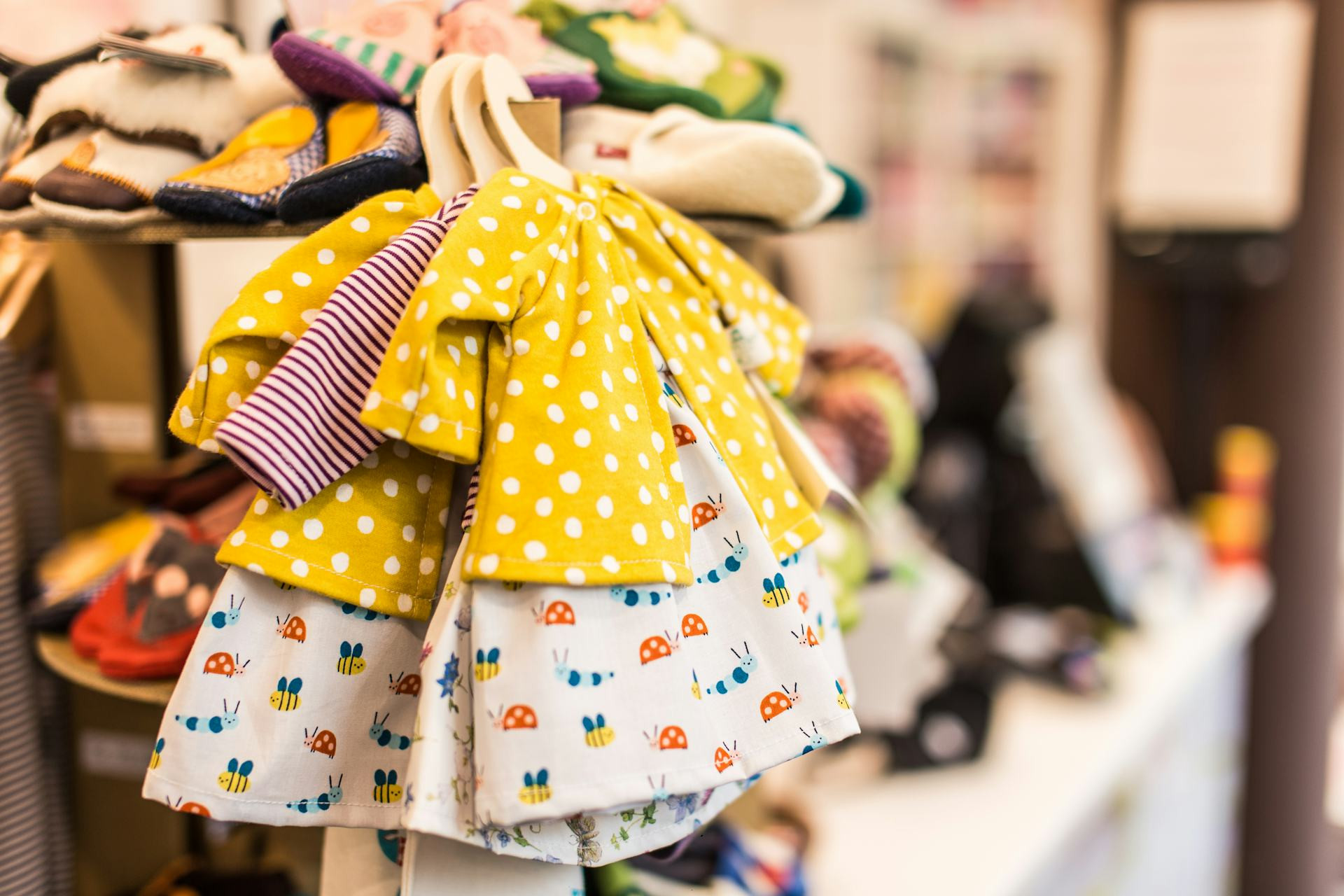
Learn what natural, organic, and recycled really mean when it comes to your child’s wardrobe
Meeting
Meeting
2 min
Eco-friendly labels can be confusing for parents trying to make sustainable choices. This guide breaks down the differences between natural, organic, and recycled materials in children’s clothing—helping you choose what’s best for your kids and the environment.
Ellie Edwards
Ellie
Edwards

Natural, Organic, or Recycled? Understanding the Difference Between Materials in Children’s Clothing

Learn what natural, organic, and recycled really mean when it comes to your child’s wardrobe
Meeting
Meeting
2 min
Eco-friendly labels can be confusing for parents trying to make sustainable choices. This guide breaks down the differences between natural, organic, and recycled materials in children’s clothing—helping you choose what’s best for your kids and the environment.
Ellie Edwards
Ellie
Edwards

When shopping for children’s clothes—whether in stores or online—you’ll often see words like natural, organic, and recycled on labels. They all sound eco-friendly, but they don’t mean the same thing. For many parents, it can be confusing to know what these terms actually stand for and which materials are best for both kids and the planet. Here’s a guide to help you understand the differences and make thoughtful choices.

Natural Materials – From Nature to the Closet

Natural materials come from plants or animals, such as cotton, wool, linen, and silk. They’re popular in children’s clothing because they tend to be breathable, soft, and comfortable against the skin.

  • Cotton is the most common material in kids’ clothes. It’s durable, easy to wash, and gentle to wear. However, conventional cotton farming uses large amounts of water and pesticides.
  • Wool is a natural fiber that helps regulate body temperature and wicks moisture away—great for both winter and transitional seasons.
  • Linen and bamboo are more sustainable options, as they typically require less water and fewer chemicals to produce.

Natural materials aren’t automatically eco-friendly—it depends on how they’re grown and processed.

Organic Materials – Grown Without Harmful Chemicals

When a material is labeled organic, it means it’s produced without synthetic pesticides, fertilizers, or harmful chemicals. Organic cotton is the most common example, but you can also find organic wool and linen.

The benefits of organic materials include:

  • Reduced environmental impact, since soil and water systems are less polluted.
  • Healthier working conditions for farmers and textile workers.
  • Lower risk of chemical residues in the finished clothing.

When buying organic children’s clothing, look for certifications such as GOTS (Global Organic Textile Standard) or OEKO-TEX®, which ensure strict environmental and social standards.

Organic clothing can be more expensive, but many parents find that the quality and durability make it worth the investment.

Recycled Materials – Giving Old Fibers New Life

Recycled materials are made from existing textiles or plastics that are transformed into new fibers. Examples include polyester made from recycled plastic bottles or cotton from leftover fabric and discarded garments.

The main advantage of recycled materials is that they reduce waste and conserve resources. Producing recycled fibers often requires less energy and water than making new ones.

However, there are some challenges. Recycled polyester is still a synthetic material and can release microplastics when washed. Recycled cotton fibers may be shorter, which can affect durability.

That’s why recycled materials work best when used thoughtfully—especially in combination with natural fibers.

What’s Best for Kids—and for the Planet?

There’s no single right answer; it depends on your priorities.

  • If you want to avoid chemicals close to your child’s skin, organic cotton or wool is a safe choice.
  • If your goal is to reduce resource use, recycled materials can be a good alternative.
  • If comfort and function are key, natural fibers like wool and linen are excellent options.

The most sustainable approach is to think holistically: buy fewer, higher-quality pieces, choose durability over quantity, and pass clothes along when your child outgrows them. That’s the best way to care for both your family and the environment.

How to Shop Mindfully

Next time you’re shopping for kids’ clothes, keep these simple tips in mind:

  • Read the labels – look for certifications like GOTS, OEKO-TEX®, or the Recycled Claim Standard.
  • Consider the use – choose materials suited to your child’s needs and the season.
  • Buy quality – well-made clothes last longer and save money and resources in the long run.
  • Wash with care – use cold water, skip fabric softeners, and air-dry when possible.

Small, mindful choices can make a big difference—for the planet and for the children who will inherit it.

The Little Wardrobe with Big Flexibility – Functional Kids’ Clothing for All Seasons
Smart, comfortable, and adaptable clothing that keeps up with your child all year round
Meeting
Meeting
Kids’ Clothing
Functional Fashion
Parenting Tips
Seasonal Wardrobe
Children’s Style
3 min
Discover how to create a practical and flexible kids’ wardrobe that works in every season. Learn the secrets of layering, choosing quality pieces, and finding clothes that grow with your child—so they can play freely, whatever the weather.
Olivia Rivera
Olivia
Rivera
Wet Mittens and Muddy Snowsuits: How to Handle Everyday Clothing Challenges
Keep your kids warm, dry, and ready for winter fun without the daily laundry chaos
Meeting
Meeting
Parenting
Winter Clothing
Family Life
Home Organization
Practical Tips
6 min
Discover practical tips for managing wet mittens, muddy snowsuits, and endless winter gear. Learn how to set up smart drying zones, choose the right fabrics, and involve your kids in keeping their clothes clean and organized all season long.
Saoirse Fisher
Saoirse
Fisher
Natural, Organic, or Recycled? Understanding the Difference Between Materials in Children’s Clothing
Learn what natural, organic, and recycled really mean when it comes to your child’s wardrobe
Meeting
Meeting
Children’s Clothing
Sustainable Fashion
Organic Materials
Eco-Friendly
Parenting
2 min
Eco-friendly labels can be confusing for parents trying to make sustainable choices. This guide breaks down the differences between natural, organic, and recycled materials in children’s clothing—helping you choose what’s best for your kids and the environment.
Ellie Edwards
Ellie
Edwards
Small Steps Toward Independence – Shoes That Help Kids Put Them On by Themselves
Encourage your child’s confidence and independence with shoes designed for easy self-dressing
Meeting
Meeting
Child Development
Parenting Tips
Kids Shoes
Independence
Early Learning
7 min
Discover how the right pair of shoes can help children learn to put them on by themselves. With supportive design, playful practice, and plenty of encouragement, parents can turn this everyday task into a proud step toward independence.
Jackson Phillips
Jackson
Phillips
Children’s Clothing Sizes Across Countries: A Guide to International Measurements
Navigate global size charts and shop for kids’ clothes with confidence
Meeting
Meeting
Children’s Clothing
Size Guide
International Shopping
Parenting
Fashion
7 min
Discover how children’s clothing sizes differ around the world and learn how to convert between international measurements. This guide helps parents and caregivers make sense of size labels, avoid confusion, and find the perfect fit no matter where they shop.
Alaina Meyer
Alaina
Meyer
Three Ways of Learning – How to Support Your Child’s Individual Learning Style
Discover how to nurture your child’s potential by understanding their unique way of learning
Child
Child
Learning Styles
Parenting
Child Development
Education
Study Tips
2 min
Every child learns differently — some through seeing, others through listening, and some by doing. Learn how to identify your child’s learning style and explore practical ways to support their growth, confidence, and love of learning.
Olivia Rivera
Olivia
Rivera
Cardboard Boxes and Rocks as Toys? Unleash Kids’ Creativity with Simple Materials
Rediscover the magic of play with everyday objects that spark imagination
Child
Child
Creative Play
Parenting
Child Development
Imagination
Simple Toys
3 min
From cardboard boxes to pebbles and sticks, simple materials can inspire endless creativity in children. Learn how unstructured play with ordinary items helps kids develop problem-solving skills, independence, and a lifelong love of imagination.
Saoirse Fisher
Saoirse
Fisher
Digital Citizenship: How to Talk to Your Child About Respect and Responsibility Online
Help your child build healthy online habits through open conversations about respect and responsibility
Child
Child
Digital Citizenship
Parenting
Online Safety
Children
Responsibility
4 min
The digital world is full of opportunities—and challenges—for children. Learn how to guide your child toward positive online behavior, encourage empathy and accountability, and strengthen trust as they explore life on the internet.
Ellie Edwards
Ellie
Edwards
Make Everyday Routines Cozy – From Brushing Teeth to Getting Dressed with Little Kids
Turn daily routines into moments of warmth, play, and connection with your little ones
Child
Child
Parenting
Family Life
Daily Routines
Toddlers
Connection
4 min
Discover how to transform everyday tasks like brushing teeth, getting dressed, and mealtimes into cozy, joyful experiences. With a few simple shifts, you can create calm, connection, and fun in the rhythm of family life.
Jackson Phillips
Jackson
Phillips
Know Your Child’s Developmental Leaps: How to Recognize the Natural Stages of Growth
Understand the key moments in your child’s growth and learn how to nurture each stage with confidence
Child
Child
Child Development
Parenting
Growth Stages
Family
Child Psychology
3 min
Every child develops in unique leaps that shape their abilities, emotions, and independence. Discover how to recognize these natural stages of growth, what changes to expect, and how to support your child through each new phase of development.
Alaina Meyer
Alaina
Meyer
Family Unity: Strengthen Bonds Through Shared Experiences
Discover how shared moments can bring your family closer together
Family
Family
Family
Relationships
Parenting
Togetherness
Wellbeing
6 min
In a world filled with busy schedules and constant distractions, building strong family connections takes intention. Learn how shared experiences—both everyday and special—can strengthen bonds, create lasting memories, and nurture a sense of unity at home.
Olivia Rivera
Olivia
Rivera
Routines That Bring Calm – Balancing Work and Family Life
Simple daily habits to help you find peace amid the demands of work and family life
Family
Family
Work-Life Balance
Family
Wellbeing
Productivity
Mindfulness
2 min
Discover how small, intentional routines can bring calm and balance to your busy days. Learn practical ways to set boundaries, stay focused, and create moments of rest that support both your career and your home life.
Saoirse Fisher
Saoirse
Fisher