Small Steps Toward Independence – Shoes That Help Kids Put Them On by Themselves

Small Steps Toward Independence – Shoes That Help Kids Put Them On by Themselves
Learning to put on shoes is one of those small but meaningful milestones in a child’s journey toward independence. What may seem like a simple task to adults is actually a big achievement for a young child—it builds coordination, confidence, and a sense of “I can do it myself.” With the right shoes and a little patience, parents can help their children take those first literal and figurative steps toward self-reliance.
Why It Matters
When kids learn to put on their own shoes, it’s about more than convenience. It’s part of a larger developmental process that helps them practice fine motor skills, understand sequences, and take responsibility for themselves. Each time they succeed, they experience a sense of accomplishment that carries over into other areas of life—from getting dressed to helping with small chores.
For parents, it can also make mornings a little smoother. When children can handle small tasks on their own, it lightens the load and gives them a sense of pride in contributing to the family’s daily routine.
Choosing the Right Shoes
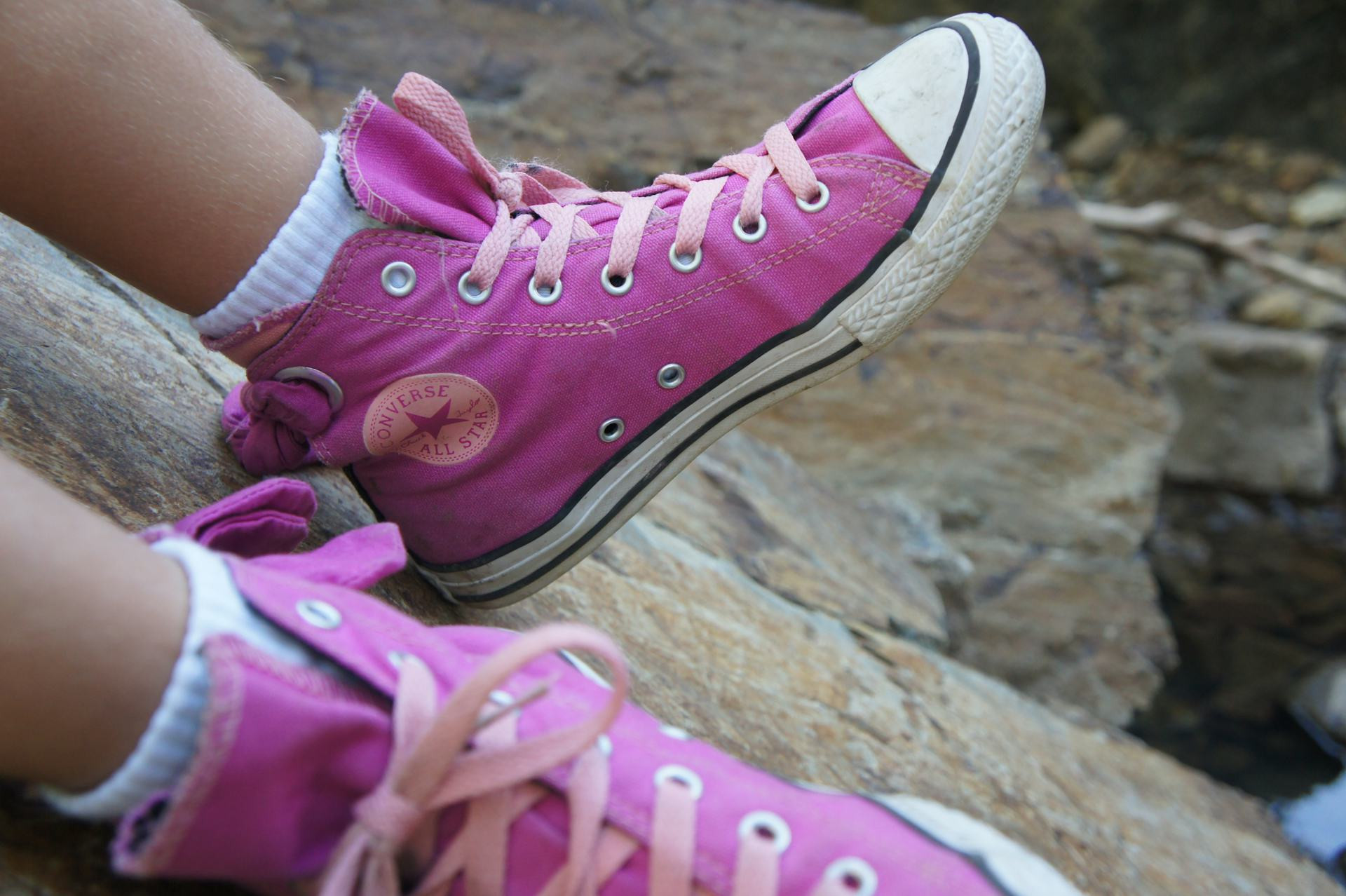
The right footwear can make all the difference. When children are learning to put on their own shoes, look for designs that are easy to handle and comfortable to wear. Here are a few features to consider:
- Velcro straps – easy for small hands to open and close without help.
- Wide openings – make it simpler for little feet to slide in.
- Firm heel support – helps kids feel how the shoe should fit.
- Flexible soles – allow natural movement and make walking easier.
- Clear left/right markers – some brands use colors, shapes, or animal prints to help kids tell which shoe goes on which foot.
It can also help to let your child be part of the shopping process. When kids get to choose their own shoes—maybe a favorite color or character—they’re often more motivated to wear them and to practice putting them on by themselves.
Læs også:
Make It Fun
Learning to put on shoes doesn’t have to be a struggle. Turn it into a playful moment that encourages practice and patience. You might:
- Sing a short song while putting on shoes.
- Turn it into a race: “Can you get your shoes on before I count to ten?”
- Let a favorite stuffed animal “practice” first as part of the game.
When learning feels like play, kids are more likely to keep trying—even if it takes a few attempts to get it right.
Patience and Praise
Independence takes time. It can be tempting to step in and help, especially when you’re in a hurry, but giving your child time to try is important. Praise the effort, not just the result. A simple “You worked really hard on that!” can be just as encouraging as “You did it!”
If your child gets frustrated, take a short break and try again later. The goal is to keep the experience positive so your child associates it with success and confidence.
Building Everyday Habits
As your child gets better at putting on shoes, you can encourage more responsibility—like finding their shoes, putting them away, or remembering to take them off when coming inside. These small routines help build structure and a sense of ownership in daily life.
And while it might take a little longer at first, the payoff is worth it. A child who’s allowed to practice and succeed gains confidence that extends far beyond the shoe rack.
Small Steps, Big Impact
Putting on shoes may seem like a small thing, but for a child, it’s a big step. It’s about trying, failing, and trying again—and feeling proud of what they can do on their own. With the right shoes, a bit of patience, and plenty of encouragement, you can help your child take those first small steps toward a more independent and confident future.
Læs også: