The complete guide to raising children
Gain a comprehensive understanding of modern parenting, covering everything from communication to boundary setting. This e-book gives you practical tips and tools that can strengthen your relationship with your child and help you deal with everyday challenges with confidence.
Download guide

Shared Routines Create a Sense of Security – Making Family Cooperation Simple

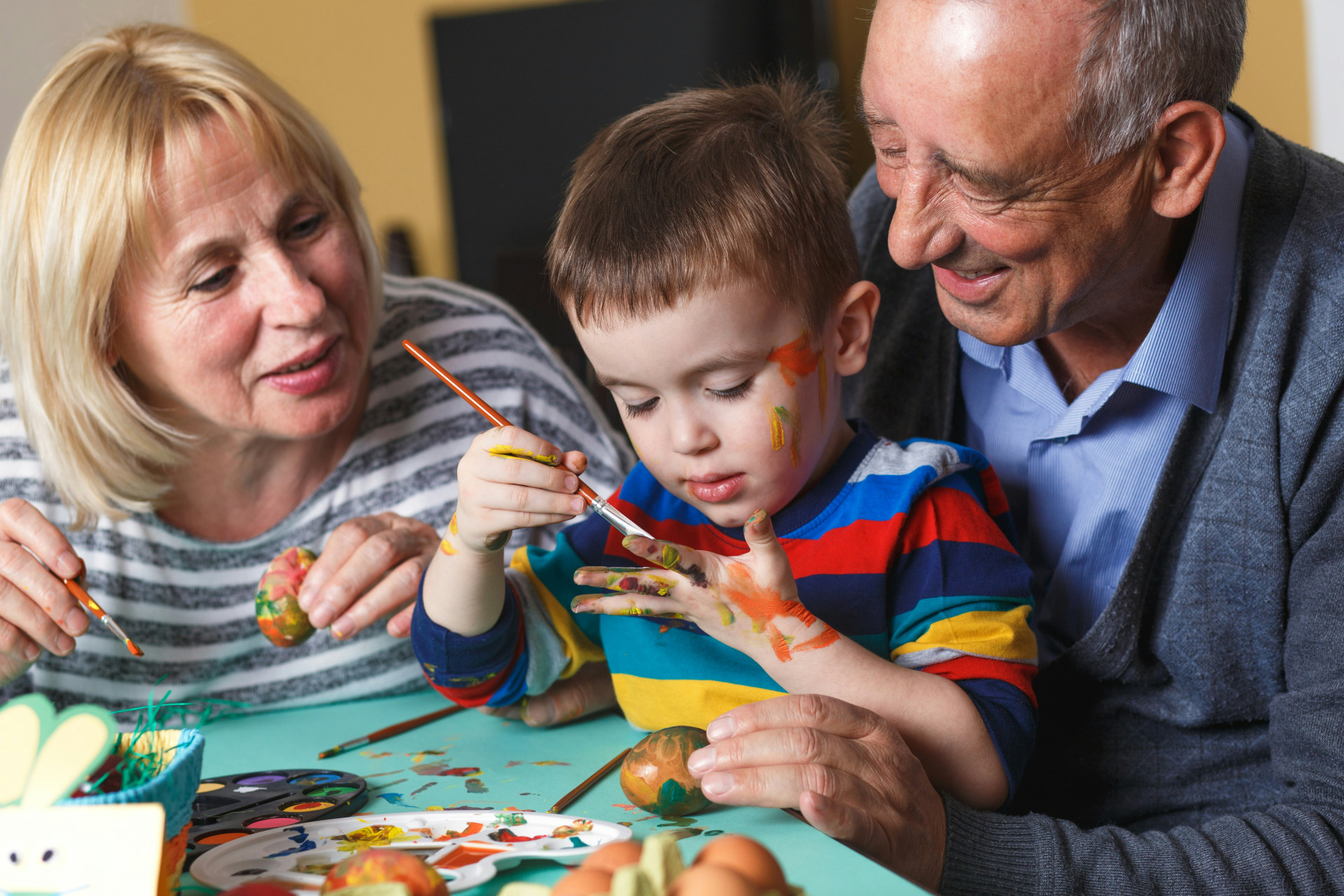
Build harmony and confidence at home through shared daily routines
Counseling
Counseling
4 min
Discover how creating and maintaining shared routines can make family life smoother, reduce stress, and strengthen the sense of togetherness. Learn practical ways to involve everyone in planning and adjusting routines that bring calm and cooperation to everyday life.
Saoirse Fisher
Saoirse
Fisher

Shared Routines Create a Sense of Security – Making Family Cooperation Simple

Build harmony and confidence at home through shared daily routines
Counseling
Counseling
4 min
Discover how creating and maintaining shared routines can make family life smoother, reduce stress, and strengthen the sense of togetherness. Learn practical ways to involve everyone in planning and adjusting routines that bring calm and cooperation to everyday life.
Saoirse Fisher
Saoirse
Fisher

In the rush of everyday life—work, school, sports, and household chores—it can be hard to keep everything running smoothly. Many families find that days slip by in a blur, and small misunderstandings or conflicts arise when plans aren’t clear. Shared routines can be the key to more calm, cooperation, and a sense of security at home. When everyone knows what’s happening and when, daily life becomes easier and more harmonious.

Why Routines Build Security

Routines aren’t about making life dull or rigid—they’re about creating structure and predictability. For children, and really for adults too, knowing what to expect brings comfort. When mornings, dinners, or bedtimes follow a familiar rhythm, there’s less stress and fewer arguments.

Children who understand the flow of the day are more likely to cooperate because they know what’s expected of them. That leaves more energy for what truly matters: connection, play, and meaningful conversations.

Create Routines Together, Not from the Top Down

A big part of building good routines is involving the whole family. Instead of parents deciding everything on their own, it helps to have open discussions about what works—and what doesn’t.

  • Hold a short family meeting once in a while to talk about daily life. What’s going well? What could be easier?
  • Let kids share their ideas. They might have creative suggestions for speeding up mornings or making chores feel fairer.
  • Write down your agreements or post a simple plan on the fridge so everyone can see it.

When children have a voice, they feel heard and take more responsibility for following through.

Small Routines, Big Impact

It’s often the little things that make the biggest difference. A steady rhythm can start with simple habits:

  • Morning routine: Wake up at the same time, eat breakfast together, and assign roles—one packs lunches, another feeds the dog.
  • After school: Set a time for homework and a time for free play. Balance responsibilities with relaxation.
  • Dinner time: Try to eat together as often as possible. It’s a natural moment to talk about the day and plan for tomorrow.
  • Bedtime: A calm end to the day—reading a story or chatting quietly—helps children unwind and feel safe.

Even small adjustments can make daily life more manageable and strengthen the feeling of togetherness.

When Routines Need to Change

No routine lasts forever. Kids grow, schedules shift, and family life evolves. That’s why routines should be flexible. If something isn’t working anymore, talk about it and find a new approach together.

It can also help to have “off days” from routines—like weekends—where there’s room for spontaneity. This shows children that structure and freedom can coexist.

Cooperation, Not Control

Routines shouldn’t feel like strict rules enforced by authority. They’re meant to be shared tools that make life easier for everyone. When parents model the routines and take part in them, children learn that cooperation is built on mutual respect.

Praise and encouragement go much further than criticism. When kids see that their efforts are appreciated—like remembering to pack their backpack or helping set the table—they gain confidence and motivation to contribute.

Security Through Connection

In the end, shared routines are about more than organization—they’re about relationships. They create a foundation where everyone in the family feels seen, heard, and secure. When daily life runs smoothly, there’s more room for what truly matters: time together, laughter, and the feeling of being a team.

Family cooperation isn’t always easy, but with shared routines, it becomes simpler—and far more rewarding.

A Home Where Children Are Seen and Heard – How to Strengthen Early Support in the Family
Building stronger family bonds through presence, empathy, and early support
Counseling
Counseling
Parenting
Child Development
Family Support
Emotional Well-being
Communication
3 min
Discover how small, everyday actions can make a big difference in your child’s emotional well-being. Learn how to create a home where children feel seen, heard, and supported from the very beginning.
Olivia Rivera
Olivia
Rivera
Shared Routines Create a Sense of Security – Making Family Cooperation Simple
Build harmony and confidence at home through shared daily routines
Counseling
Counseling
Family Life
Parenting
Daily Routines
Cooperation
Wellbeing
4 min
Discover how creating and maintaining shared routines can make family life smoother, reduce stress, and strengthen the sense of togetherness. Learn practical ways to involve everyone in planning and adjusting routines that bring calm and cooperation to everyday life.
Saoirse Fisher
Saoirse
Fisher
When Grief Returns – Understanding Children’s Grief Through Life’s Stages
How children experience and revisit grief as they grow
Counseling
Counseling
Children
Grief
Parenting
Mental Health
Emotional Support
4 min
Grief in childhood doesn’t simply fade with time—it transforms. This article explores how loss can resurface at different life stages, from early childhood to adulthood, and how parents, caregivers, and professionals can offer meaningful support along the way.
Ellie Edwards
Ellie
Edwards
Siblings of Children with Disabilities: How to Help Them Understand and Embrace Differences
Support siblings in understanding, accepting, and celebrating differences within the family
Counseling
Counseling
Parenting
Siblings
Disability
Family Support
Inclusion
2 min
When one child has a disability, the whole family is affected. Learn how to help siblings navigate their emotions, build empathy, and find their own place in a family where every child’s uniqueness is valued.
Jackson Phillips
Jackson
Phillips
Structure and Predictability – The Path to Security for Children in Distress
How routines and clear expectations can help children find calm and confidence
Counseling
Counseling
Child Development
Emotional Wellbeing
Parenting
Education
Mental Health
2 min
When life feels unpredictable, children in emotional distress often need structure to regain a sense of safety. This article explores how consistent routines, collaboration between home and school, and a supportive approach can help children feel secure and thrive.
Alaina Meyer
Alaina
Meyer
Three Ways of Learning – How to Support Your Child’s Individual Learning Style
Discover how to nurture your child’s potential by understanding their unique way of learning
Child
Child
Learning Styles
Parenting
Child Development
Education
Study Tips
2 min
Every child learns differently — some through seeing, others through listening, and some by doing. Learn how to identify your child’s learning style and explore practical ways to support their growth, confidence, and love of learning.
Olivia Rivera
Olivia
Rivera
Cardboard Boxes and Rocks as Toys? Unleash Kids’ Creativity with Simple Materials
Rediscover the magic of play with everyday objects that spark imagination
Child
Child
Creative Play
Parenting
Child Development
Imagination
Simple Toys
3 min
From cardboard boxes to pebbles and sticks, simple materials can inspire endless creativity in children. Learn how unstructured play with ordinary items helps kids develop problem-solving skills, independence, and a lifelong love of imagination.
Saoirse Fisher
Saoirse
Fisher
Digital Citizenship: How to Talk to Your Child About Respect and Responsibility Online
Help your child build healthy online habits through open conversations about respect and responsibility
Child
Child
Digital Citizenship
Parenting
Online Safety
Children
Responsibility
4 min
The digital world is full of opportunities—and challenges—for children. Learn how to guide your child toward positive online behavior, encourage empathy and accountability, and strengthen trust as they explore life on the internet.
Ellie Edwards
Ellie
Edwards
Make Everyday Routines Cozy – From Brushing Teeth to Getting Dressed with Little Kids
Turn daily routines into moments of warmth, play, and connection with your little ones
Child
Child
Parenting
Family Life
Daily Routines
Toddlers
Connection
4 min
Discover how to transform everyday tasks like brushing teeth, getting dressed, and mealtimes into cozy, joyful experiences. With a few simple shifts, you can create calm, connection, and fun in the rhythm of family life.
Jackson Phillips
Jackson
Phillips
Know Your Child’s Developmental Leaps: How to Recognize the Natural Stages of Growth
Understand the key moments in your child’s growth and learn how to nurture each stage with confidence
Child
Child
Child Development
Parenting
Growth Stages
Family
Child Psychology
3 min
Every child develops in unique leaps that shape their abilities, emotions, and independence. Discover how to recognize these natural stages of growth, what changes to expect, and how to support your child through each new phase of development.
Alaina Meyer
Alaina
Meyer
Family Unity: Strengthen Bonds Through Shared Experiences
Discover how shared moments can bring your family closer together
Family
Family
Family
Relationships
Parenting
Togetherness
Wellbeing
6 min
In a world filled with busy schedules and constant distractions, building strong family connections takes intention. Learn how shared experiences—both everyday and special—can strengthen bonds, create lasting memories, and nurture a sense of unity at home.
Olivia Rivera
Olivia
Rivera
Routines That Bring Calm – Balancing Work and Family Life
Simple daily habits to help you find peace amid the demands of work and family life
Family
Family
Work-Life Balance
Family
Wellbeing
Productivity
Mindfulness
2 min
Discover how small, intentional routines can bring calm and balance to your busy days. Learn practical ways to set boundaries, stay focused, and create moments of rest that support both your career and your home life.
Saoirse Fisher
Saoirse
Fisher