When Grief Returns – Understanding Children’s Grief Through Life’s Stages


When Grief Returns – Understanding Children’s Grief Through Life’s Stages
When a child loses a parent, sibling, or someone close, the impact can last a lifetime. But grief in children is not a straight path that ends after a certain number of months. It can resurface—often in new ways—as the child grows and encounters new stages of life. Understanding how children’s grief evolves is essential to offering the right kind of support at every age.
Grief Doesn’t Go Away – It Changes
Many adults think of grief as something you “get through.” For children, it’s different. They process loss according to their age and developmental stage. As they mature, their understanding of death deepens, and the grief may return—especially during transitions or milestones.
A five-year-old may miss the parent who used to tuck them in at night. A teenager might feel the loss again when friends talk about their parents, or when major life events—graduation, first love, moving away—highlight what’s missing.
Young Children: Grief in Moments and Play
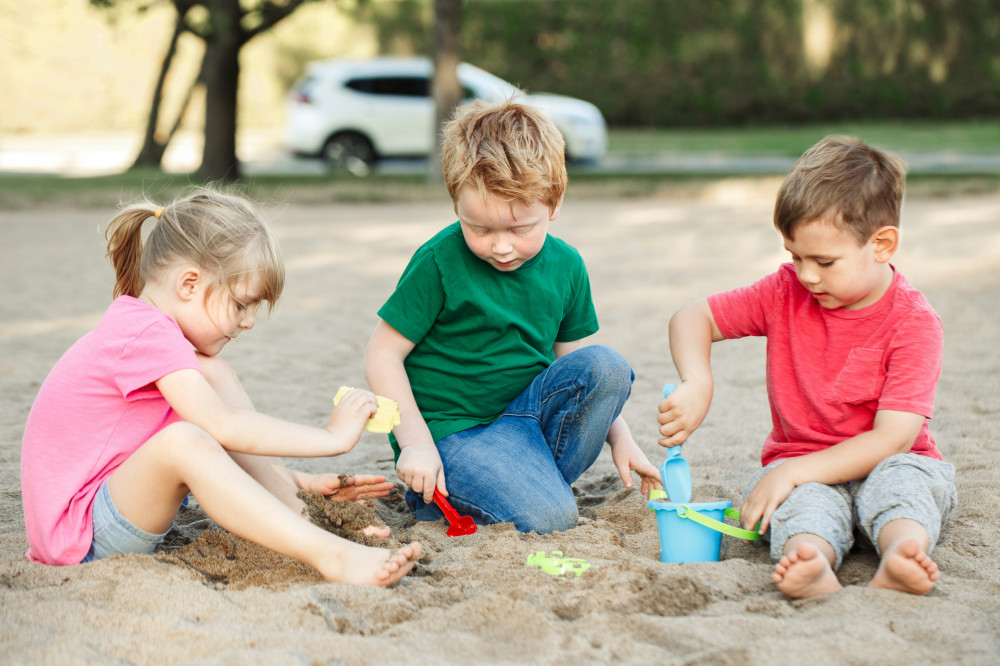
Young children don’t yet grasp that death is permanent. They may ask when the person is coming back or act out scenes where someone “dies and wakes up again.” This is their way of making sense of something they can’t fully understand.
Adults can support them by:
- Answering questions honestly but simply.
- Being patient when the same questions come up again and again.
- Allowing play and imagination as part of the healing process.
- Keeping routines steady to create a sense of safety in an unpredictable time.
School-Age Children: Growing Understanding
By the time children reach elementary school, they begin to understand that death is final. They may become curious about how and why it happened, or worry that others they love might die too. Grief can show up as trouble concentrating, irritability, or withdrawal.
To support a grieving child at this stage:
- Talk openly about the person who died and show that it’s okay to miss them.
- Let teachers and school counselors know, so the child is met with understanding.
- Help the child express feelings through drawing, writing, or conversation.
Teenagers: Grief and Identity
During adolescence, grief often becomes more complex. Teens think deeply about life’s meaning and may feel different from their peers. They might express grief through anger, distance, or a sense of unfairness. At the same time, they may struggle to show vulnerability.
Adults can help by:
- Listening without pushing—teens need to know you’re there when they’re ready.
- Validating their feelings, even when they come out as frustration or silence.
- Encouraging connection with peers or support groups for grieving teens.
When Grief Returns in Adulthood
Even in adulthood, earlier losses can resurface—when becoming a parent, losing someone else, or facing major life changes. Many realize that grief doesn’t disappear; it transforms. It becomes part of their life story.
Recognizing this can be comforting: renewed grief isn’t a sign of being stuck, but a reflection of ongoing love and connection.
How Adults Can Support Over Time
Parents, relatives, teachers, and friends all play a role in helping a child live with grief—not erase it. The goal is to create space where the child can revisit the loss whenever they need to.
- Be available – even long after the loss.
- Talk about the person who died – keeping memories alive makes grief less isolating.
- Notice milestones – birthdays, holidays, and transitions can bring feelings back to the surface.
- Seek professional help if the child shows signs of ongoing distress or withdrawal.
Læs også:




Living with Grief – Together
Grief is part of life, and for children, it can become part of who they are. With support, openness, and time, grief can shift from a heavy burden to a lasting bond of love. When adults are willing to talk about death and show that feelings are welcome, children learn that grief isn’t something to hide—it’s something we can live with, together.
Læs også: