Educational toys that strengthen children’s bodies and minds

Educational toys that strengthen children’s bodies and minds
Toys are far more than just entertainment. They play a vital role in children’s development—physically, mentally, and socially. Through play, children explore the world, test their abilities, and learn how to interact with others. Educational toys are designed with this purpose in mind: to encourage learning through play. But what makes a toy truly educational, and how can it help strengthen both body and mind?
Learning through play
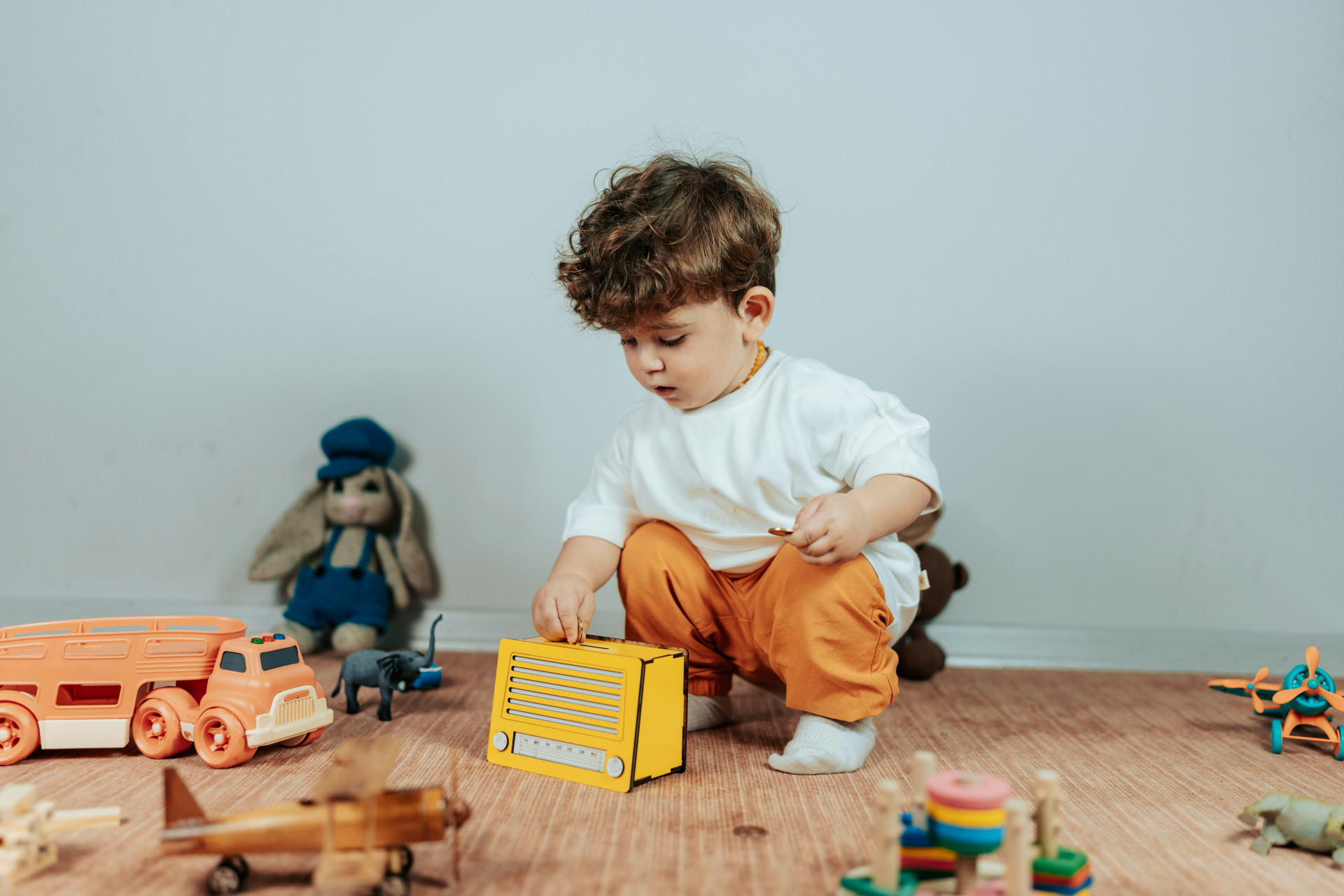
Children learn best when they play. Play allows them to experiment, make mistakes, and try again—building understanding and confidence along the way. Educational toys support this process by offering challenges that match a child’s age and developmental stage.
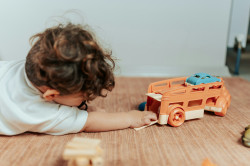
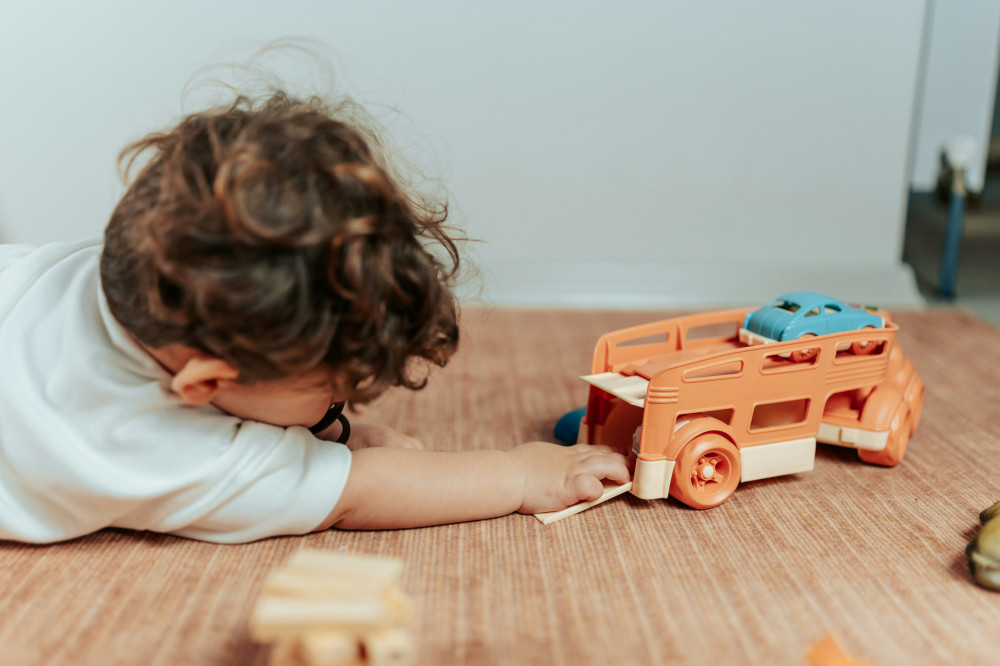
For toddlers, this might mean stacking blocks, rolling balls, or fitting shapes into matching holes. For older children, it could involve building sets, pretend play, or games that require teamwork and problem-solving. The key is that play should always be fun—because joy is the foundation of learning.
Movement and motor skills
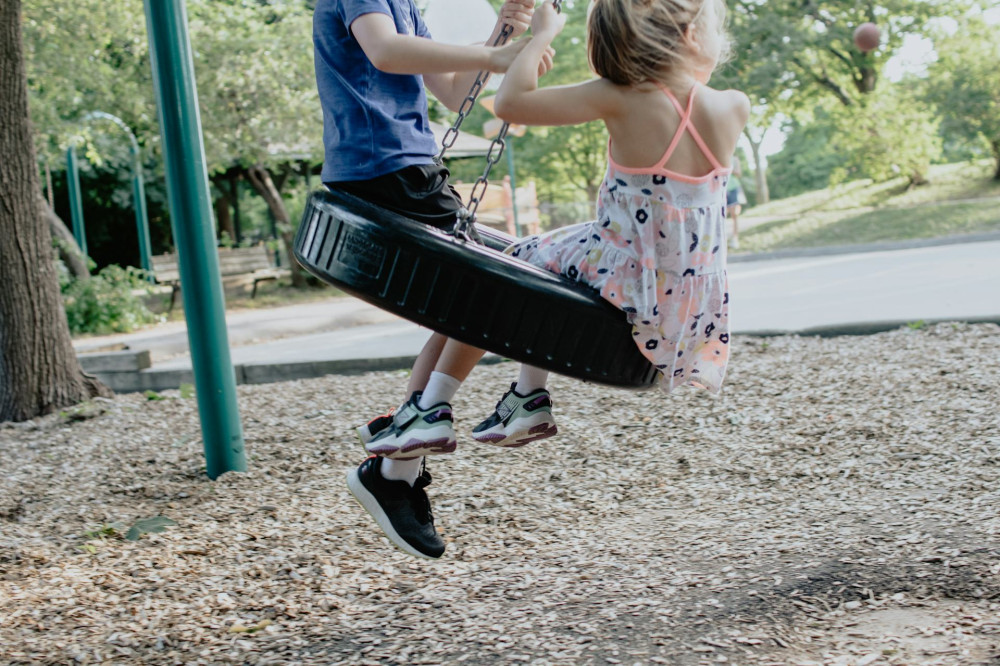
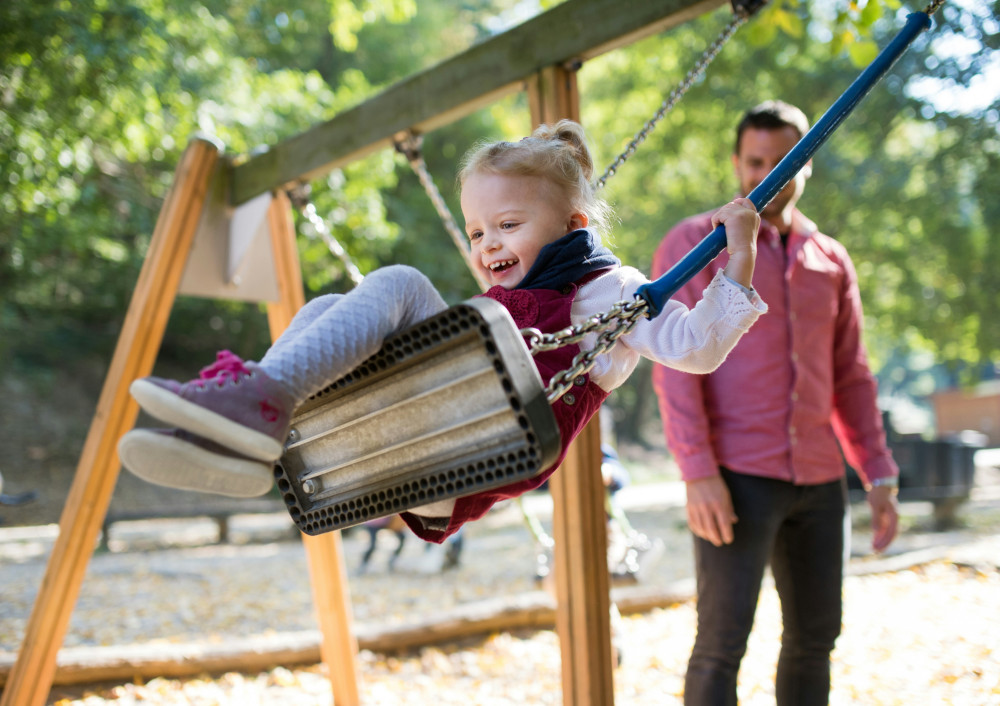
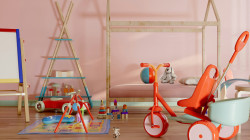
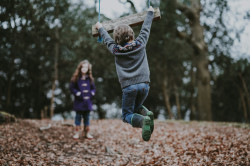
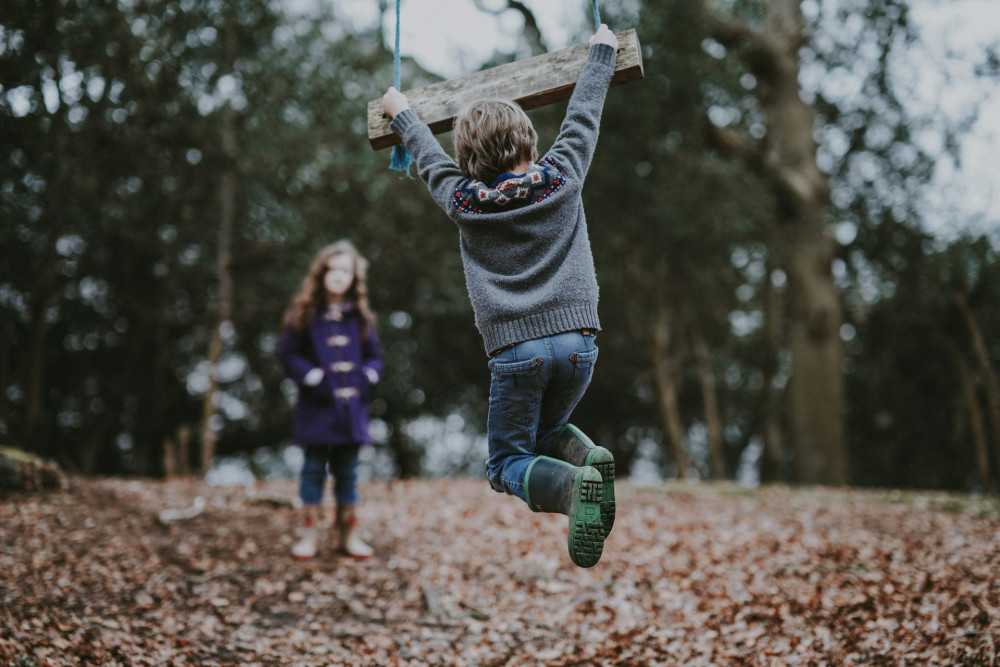
Physical activity is essential for healthy development. Toys that encourage movement help strengthen both gross and fine motor skills. These can include ride-on toys, balance boards, jump ropes, balls, or climbing structures.
When children crawl, jump, throw, and balance, they’re not only building muscle and coordination but also focus and self-confidence. They learn to understand their bodies and boundaries—and experience the satisfaction of mastering new skills.
Even indoors, toys that promote movement make a difference. Simple items like building blocks, beads, or puzzles help develop hand-eye coordination and fine motor control, which later support writing, drawing, and tool use.
Creativity and imagination
Creative play is a cornerstone of mental growth. When children build, paint, dress up, or invent stories, they use their imagination and learn to think in new ways. Educational toys that foster creativity give children the freedom to explore without strict rules.
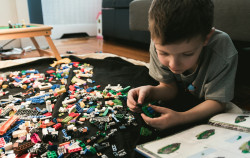
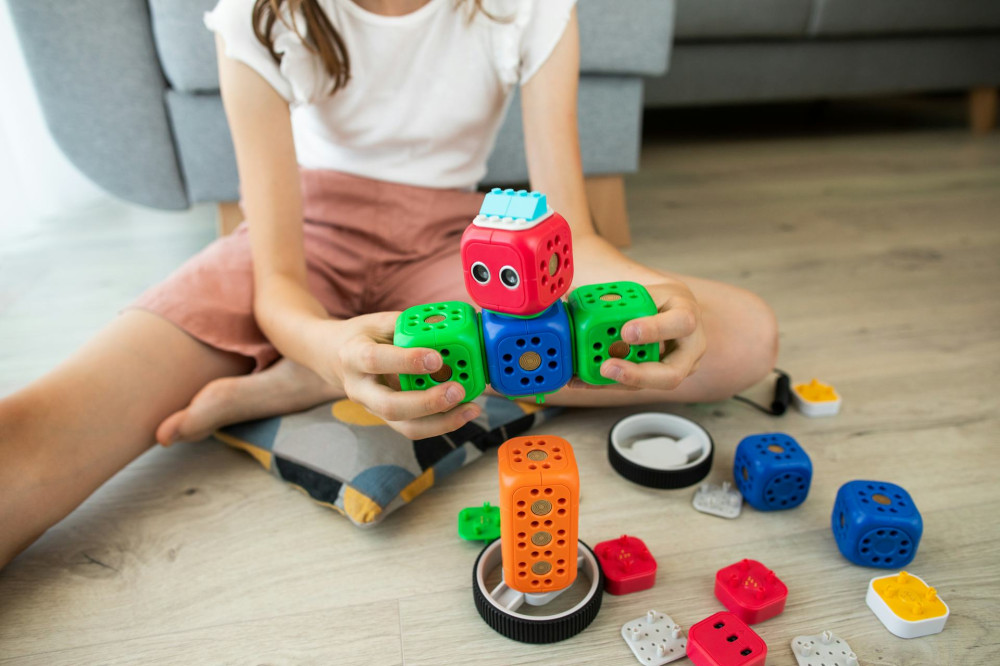
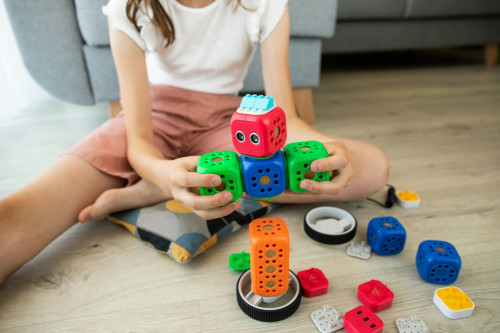
Building sets, modeling clay, dollhouses, and construction kits are classics because they can be used in countless ways. There’s no single “right” way to play—and that’s what makes it so valuable. Children learn to take initiative, solve problems, and express themselves.
Creative play also helps children process emotions. Through pretend play, they can explore everyday situations, understand relationships, and develop empathy.
Senses and concentration
Sensory play is especially important for younger children. Toys that stimulate sight, sound, touch, and balance help them understand the world through their bodies. Examples include textured balls, rattles, mirrors, and musical toys.
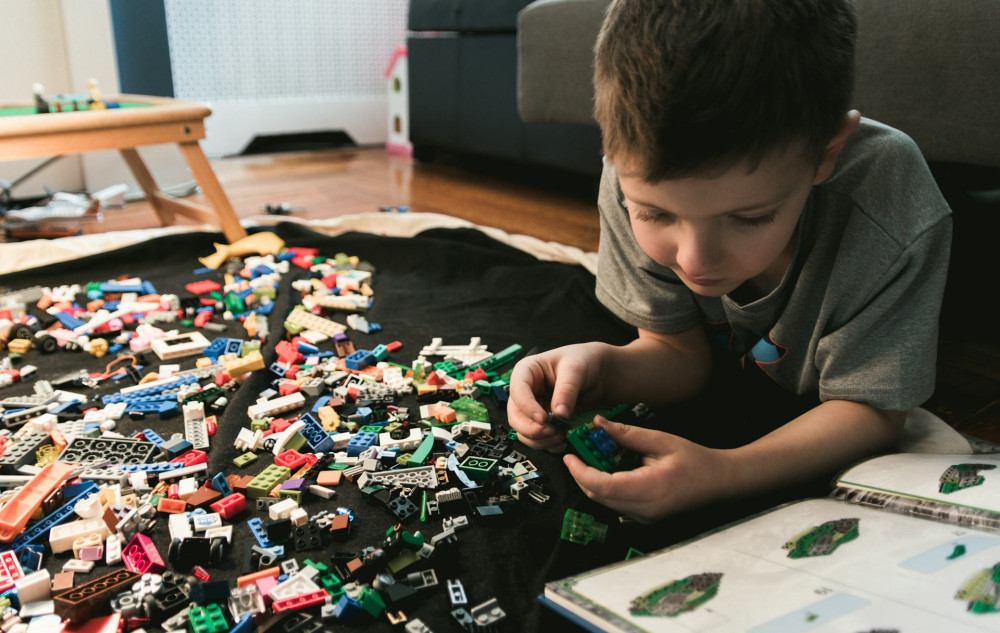
For older children, toys that require focus and patience—like puzzles, board games, or building projects—help strengthen concentration. When a child becomes absorbed in a task, they learn to plan, stay focused, and think step by step.
Cooperation and social skills
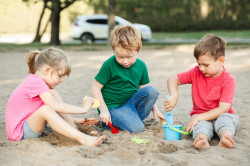
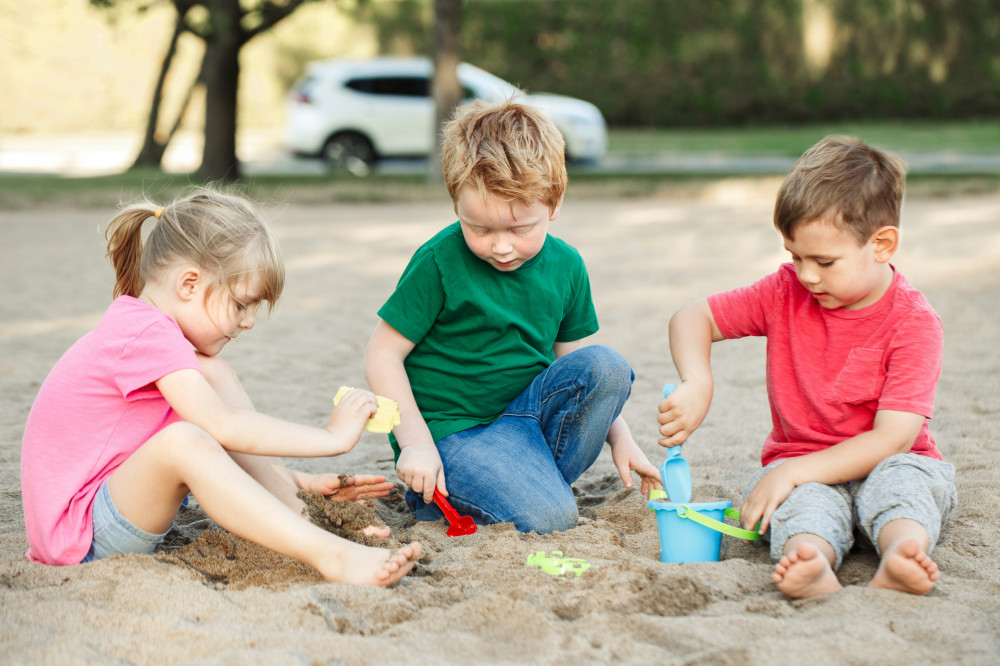
Play is also a powerful way to build social skills. Games and activities that involve sharing, taking turns, or working together teach children about communication and teamwork.
Board games, group building projects, and role-playing activities help children learn to listen, negotiate, and show consideration for others. These are skills that extend far beyond the playroom and form the foundation for healthy relationships later in life.
Choosing toys wisely
When choosing educational toys, it’s not about finding the most advanced or expensive option. What matters most is that the toy fits the child’s age, interests, and developmental level. A good toy can be used in many ways and encourages exploration and creativity.
It’s also worth considering materials and quality. Wooden, fabric, or natural rubber toys often feel better to the touch and last longer than plastic ones. Many parents in the U.S. are also looking for toys made from non-toxic, eco-friendly materials—good for both children and the planet.
Læs også:
Play that lasts
Educational toys are more than just products—they represent a way of thinking about play. It’s about creating opportunities for children to explore freely, face challenges, and experience the joy of learning. When play and learning go hand in hand, both body and mind grow stronger—and children gain skills that will serve them for life.
Læs også: