Toys That Spark Curiosity – When Children Learn Through Play and Experimentation

Toys That Spark Curiosity – When Children Learn Through Play and Experimentation
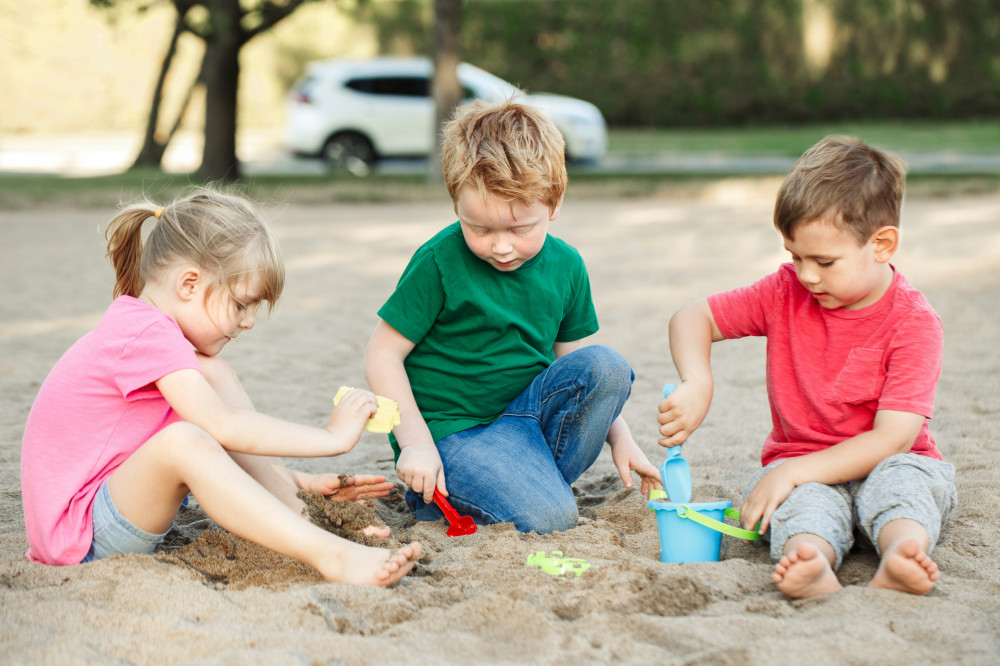
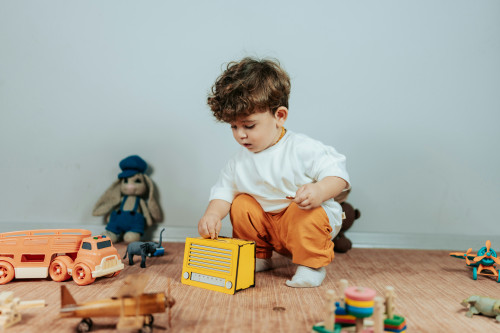
When children play, they’re not just having fun – they’re exploring how the world works. Through play, they test ideas, make discoveries, and learn how their actions can shape their surroundings. Toys that invite experimentation, building, and creativity can play a key role in this process. It’s not about turning playtime into schoolwork, but about nurturing curiosity, discovery, and the joy of figuring things out.
Learning Through Play – Without It Feeling Like a Lesson
Children learn best when they’re engaged and motivated. When they’re free to explore, make mistakes, and ask questions, they develop both understanding and confidence. Toys that support this kind of learning can range from building blocks and magnetic tiles to simple science kits that explore water, light, or motion.
The key is open-ended play – where there isn’t just one right answer. When a tower collapses or a marble run doesn’t work as planned, children learn to think critically, problem-solve, and try again. Those moments of trial and error are where real learning happens.
From Blocks to Robots – Toys That Challenge the Mind
There’s a wide variety of toys that encourage curiosity and problem-solving:
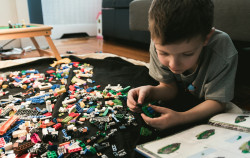
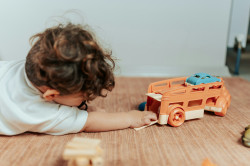
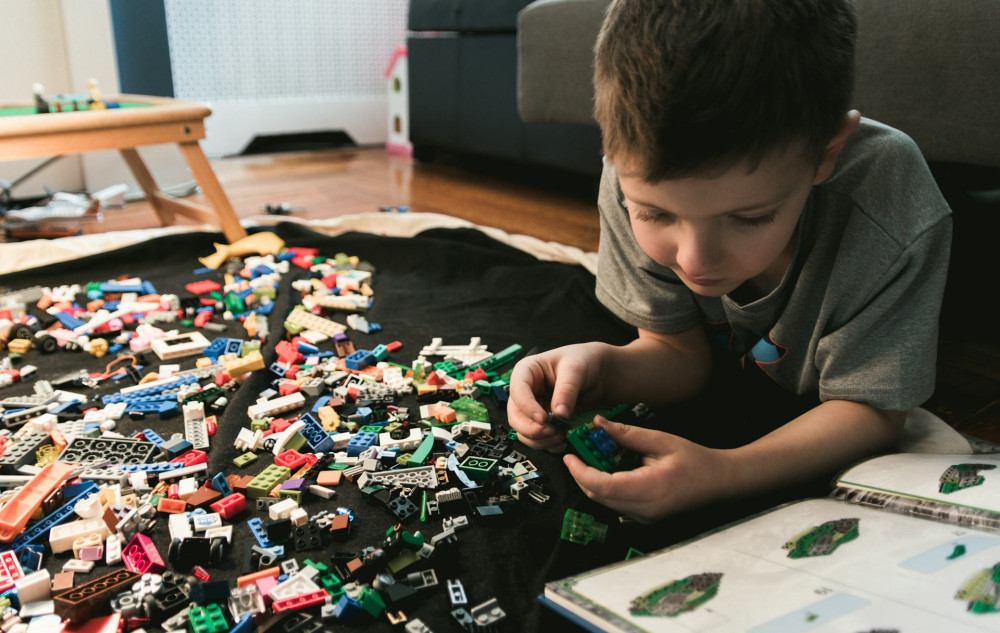
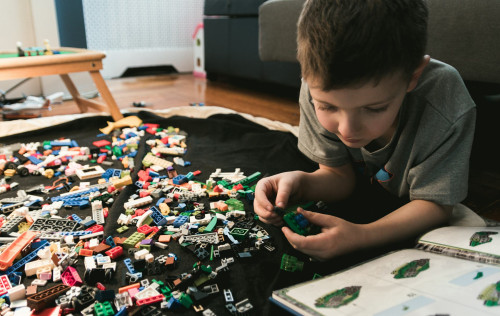
- Building toys like LEGO bricks, Magna-Tiles, or wooden blocks let children design and construct. They learn about balance, shape, and structure – and experience how ideas can take physical form.
- Nature and science toys such as magnifying glasses, microscopes, and beginner experiment kits open the door to exploring the natural world. Kids can investigate everything from insects to simple chemical reactions.
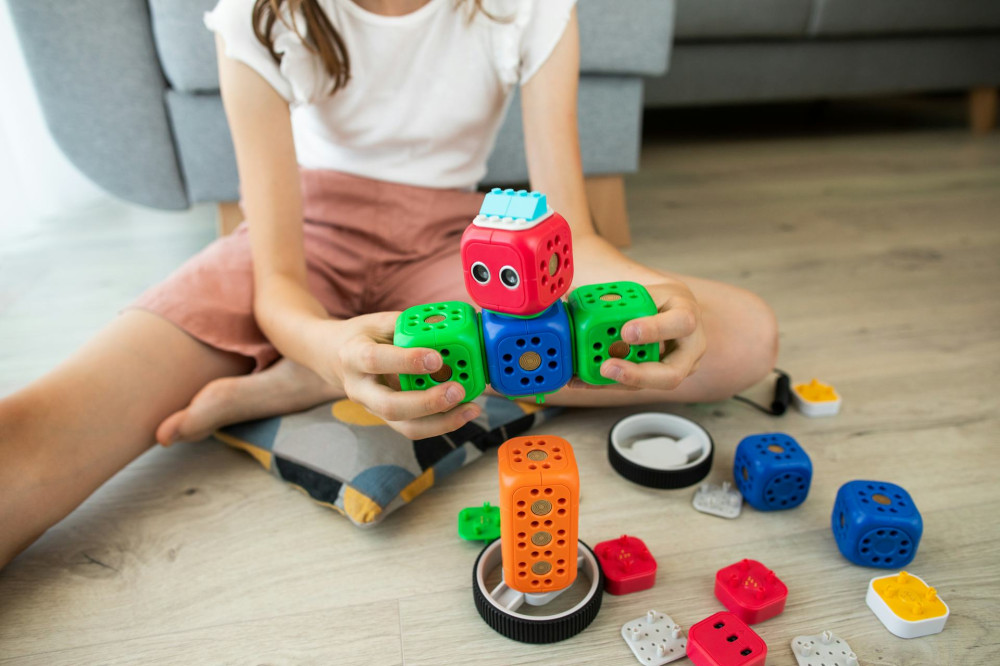
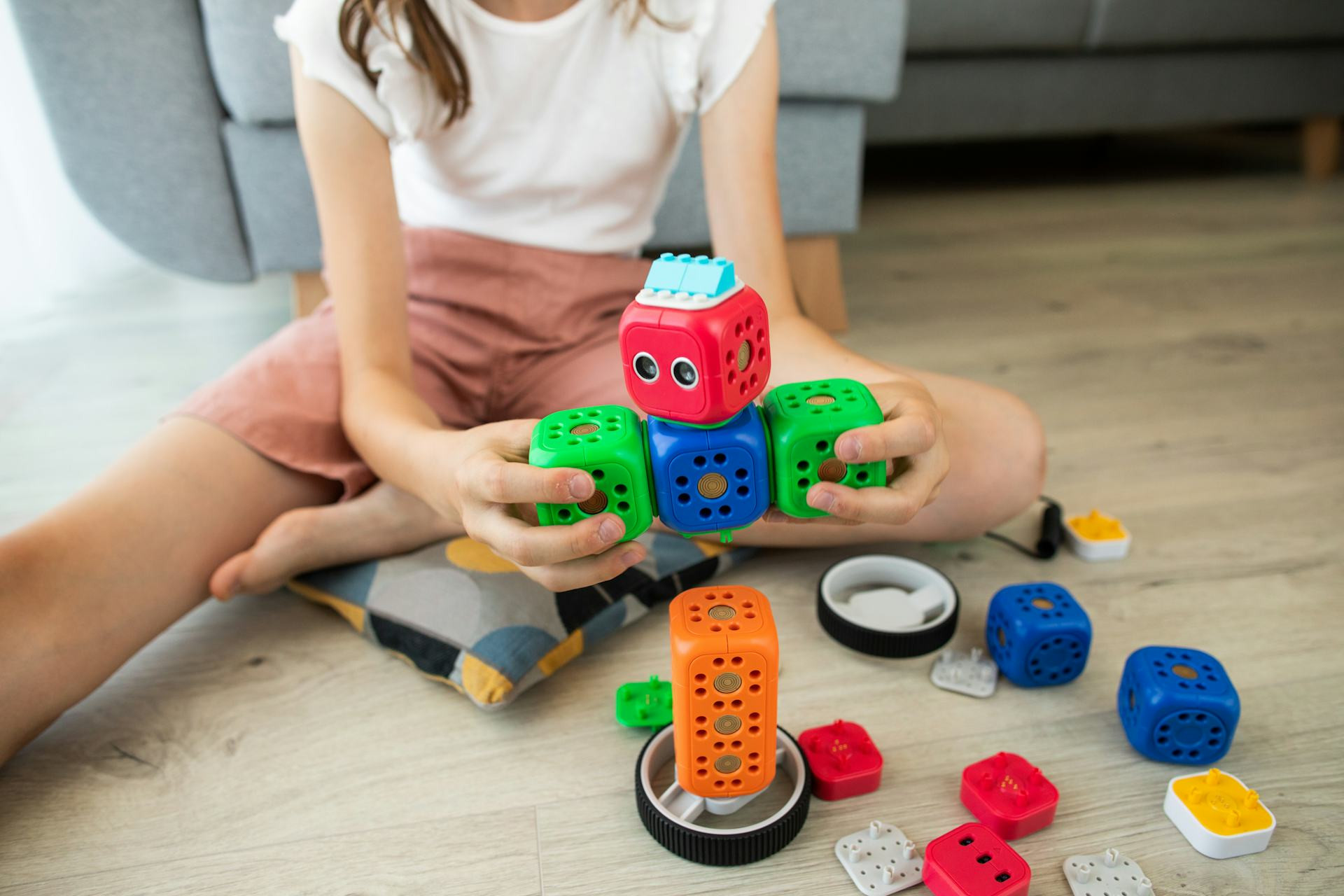
- Technology toys like coding robots or beginner electronics sets introduce logical thinking and the basics of technology in a playful way.
- Creative toys such as modeling clay, art supplies, or recycled-material building kits inspire imagination and innovation.
What all these toys have in common is that they don’t dictate how to play – they inspire children to invent their own ways.
The Parent’s Role: Support Without Taking Over
As a parent, it can be tempting to step in and show how something works or to correct mistakes. But children often learn more when you ask questions instead: What do you think will happen if you try it another way? or How could we make this work?
By being curious alongside your child, you show that it’s okay to fail and try again. This creates a safe space for experimentation and independent thinking. It also turns playtime into a shared experience where both of you discover something new.
Curiosity as a Life Skill
When children learn through play, they’re not just gaining knowledge about the world – they’re developing skills that last a lifetime. They learn to ask questions, think creatively, collaborate, and find solutions. These are essential abilities in a world that’s constantly changing and driven by innovation.
Choosing toys that spark curiosity isn’t just about entertainment. It’s about giving children the tools to understand, explore, and shape their own future.
Læs også:
Play as the Engine of Learning
When children are free to play and explore, learning becomes a natural part of everyday life. They discover that the world is full of questions waiting to be answered – and that they have the power to find those answers themselves. These are the experiences that ignite a lifelong love of learning.
So next time you’re choosing a toy, think beyond colors and features – think about what it might inspire. Because the best toys are the ones that make children ask, What happens if I try this?
Læs også: