From Building Blocks to Apps – How Interactive Toys Have Transformed Children’s Play

From Building Blocks to Apps – How Interactive Toys Have Transformed Children’s Play
From wooden blocks to coding robots and augmented reality games – children’s toys have always reflected the world they grow up in. Today, play happens not only on the living room floor but also on screens and in digital spaces. Interactive toys have reshaped how children learn, imagine, and connect – while also raising new questions about creativity, social skills, and screen time.
From Hands-On Play to Digital Adventures
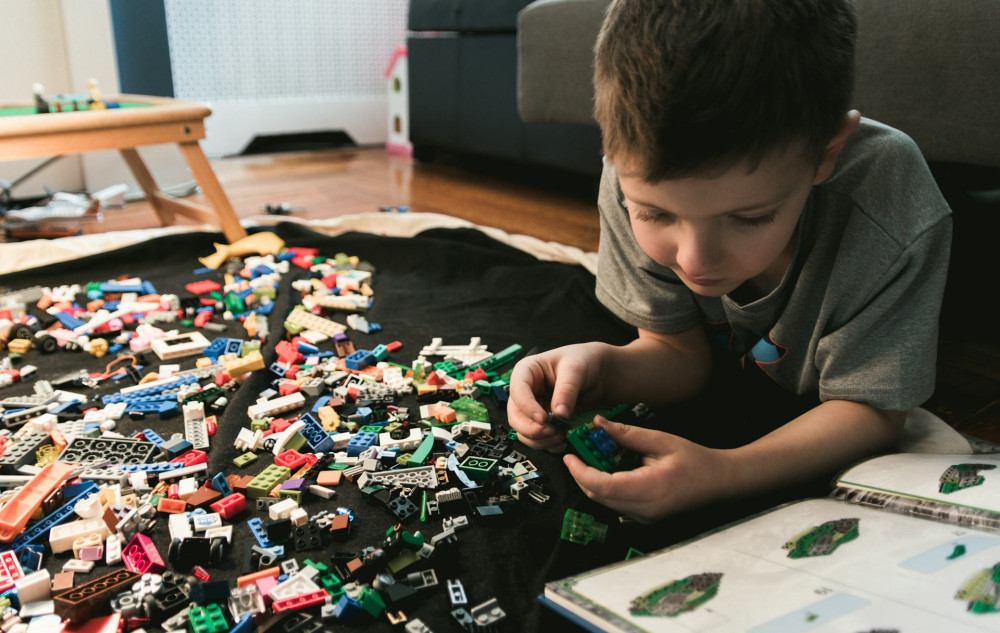
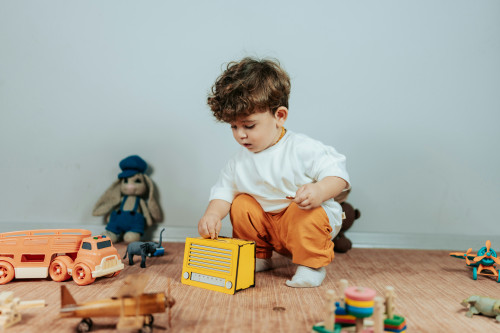
For generations, playtime meant stacking blocks, dressing dolls, or racing toy cars. These simple materials encouraged imagination, problem-solving, and physical coordination. But as technology has evolved, so has the way children play.
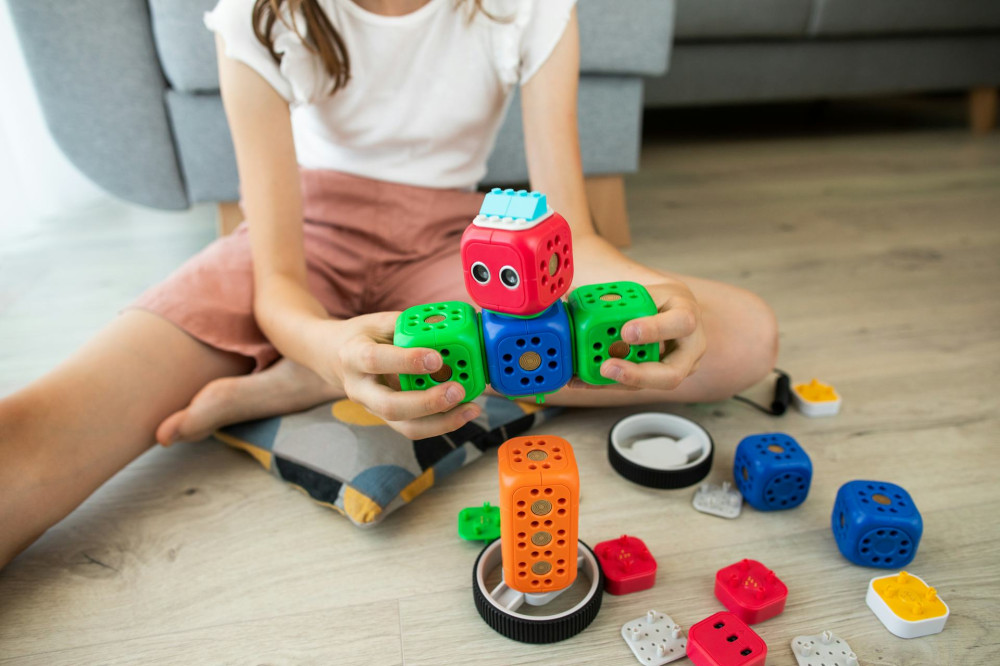
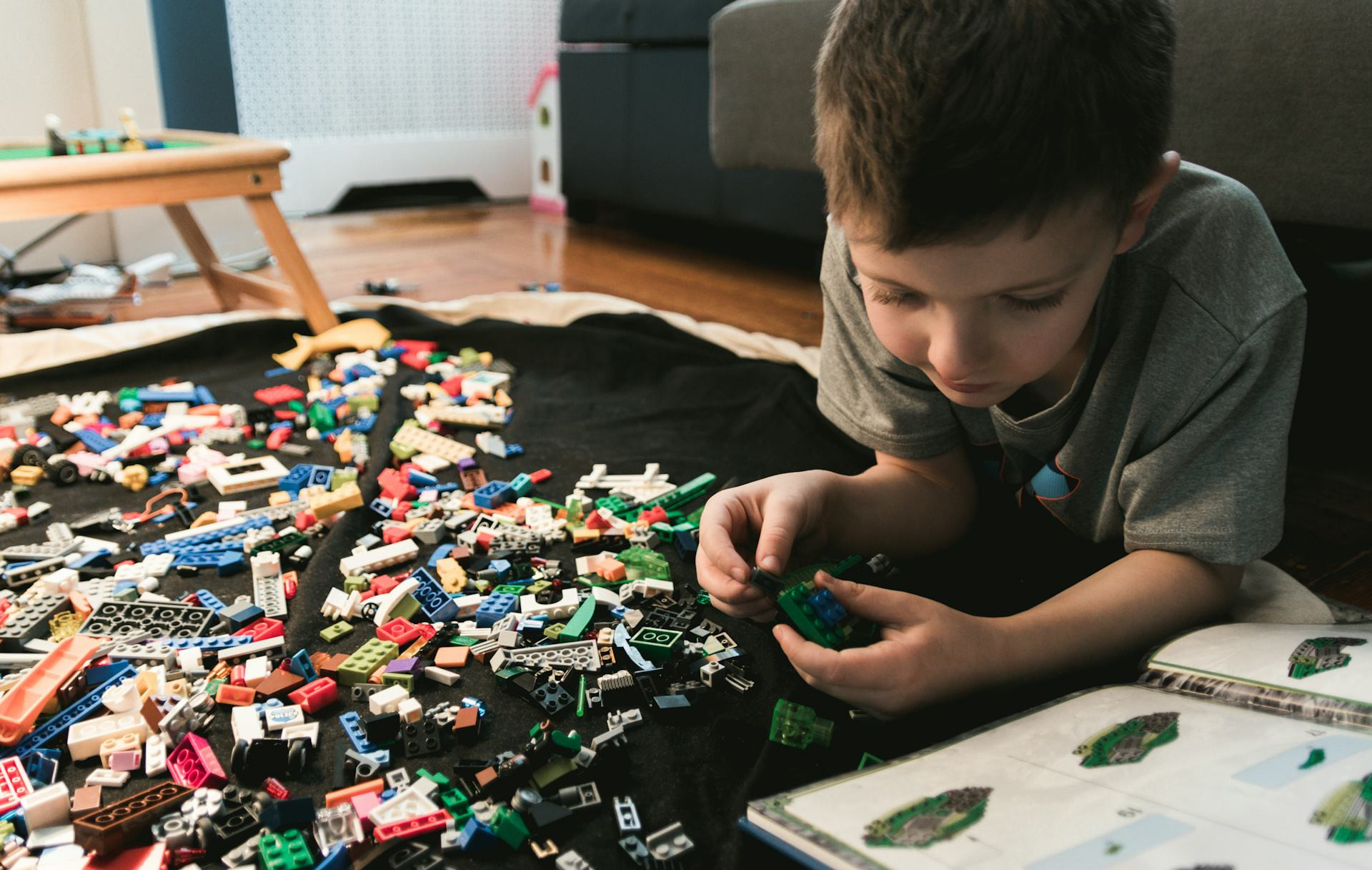
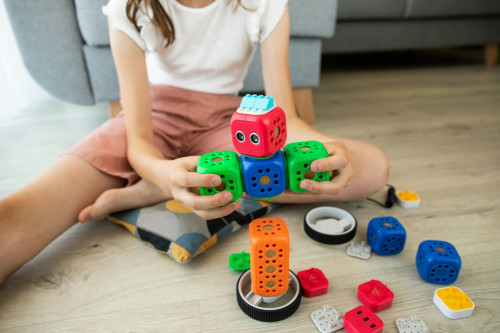
Now, kids can build robots that move, program characters through apps, or talk to dolls that respond to voice and touch. LEGO, for example, has combined its classic bricks with digital coding tools, allowing children to build physical models and then bring them to life on a tablet. It’s a new kind of creativity – one that blends the tangible and the virtual.
Learning Through Play – in New Ways
Interactive toys are not just about fun. Many are designed to teach skills that will be essential in the future. Coding kits, STEM robots, and educational apps help children explore logic, problem-solving, and technology in playful ways.
Educators and parents across the U.S. often highlight how these toys can spark curiosity and build confidence. When a child programs a robot to move or sees a digital pet respond to their actions, they experience the thrill of making something happen through their own effort. It’s learning disguised as play.
Still, balance is key. Too much screen time can limit physical activity and face-to-face interaction – both crucial for healthy development.
When Toys Become Companions
One of the most striking trends in interactive play is the rise of toys that respond emotionally to children. Talking dolls, smart plush animals, and AI-driven companions can now remember names, recognize voices, and even simulate empathy. For some children, especially those who spend more time playing alone, these toys can offer comfort and a sense of friendship.
Experts, however, remind parents that no toy can replace real human connection. While a digital friend can mimic conversation, it can’t teach the subtle emotional cues that come from interacting with other people.
The Parent’s Role in Digital Play
As toys become more sophisticated, parents’ involvement becomes even more important. It’s not just about setting limits on screen time – it’s about engaging with children in their play. Whether it’s building a robot together, exploring an educational app, or playing a board game, shared play helps children learn balance between the digital and the physical.
Many American families find success by mixing both worlds: outdoor play in the afternoon and a bit of digital creativity in the evening. Technology, when used thoughtfully, can complement traditional play rather than replace it.
Læs også:

The Future of Play – Between Imagination and Technology
The next generation of toys will likely go even further. Artificial intelligence, augmented reality, and voice recognition are already entering the playroom. Future toys may adapt to a child’s age, interests, and emotions – learning and growing alongside them.
Yet no matter how advanced technology becomes, the essence of play will remain the same: curiosity, imagination, and the joy of discovery. Interactive toys may change how children play, but not why they play. At its heart, play is still about exploring the world – just with new tools in hand.
Læs også: