The complete guide to raising children
Gain a comprehensive understanding of modern parenting, covering everything from communication to boundary setting. This e-book gives you practical tips and tools that can strengthen your relationship with your child and help you deal with everyday challenges with confidence.
Download guide

What Children’s Play Reveals – How to Use Observations to Develop the Play Environment

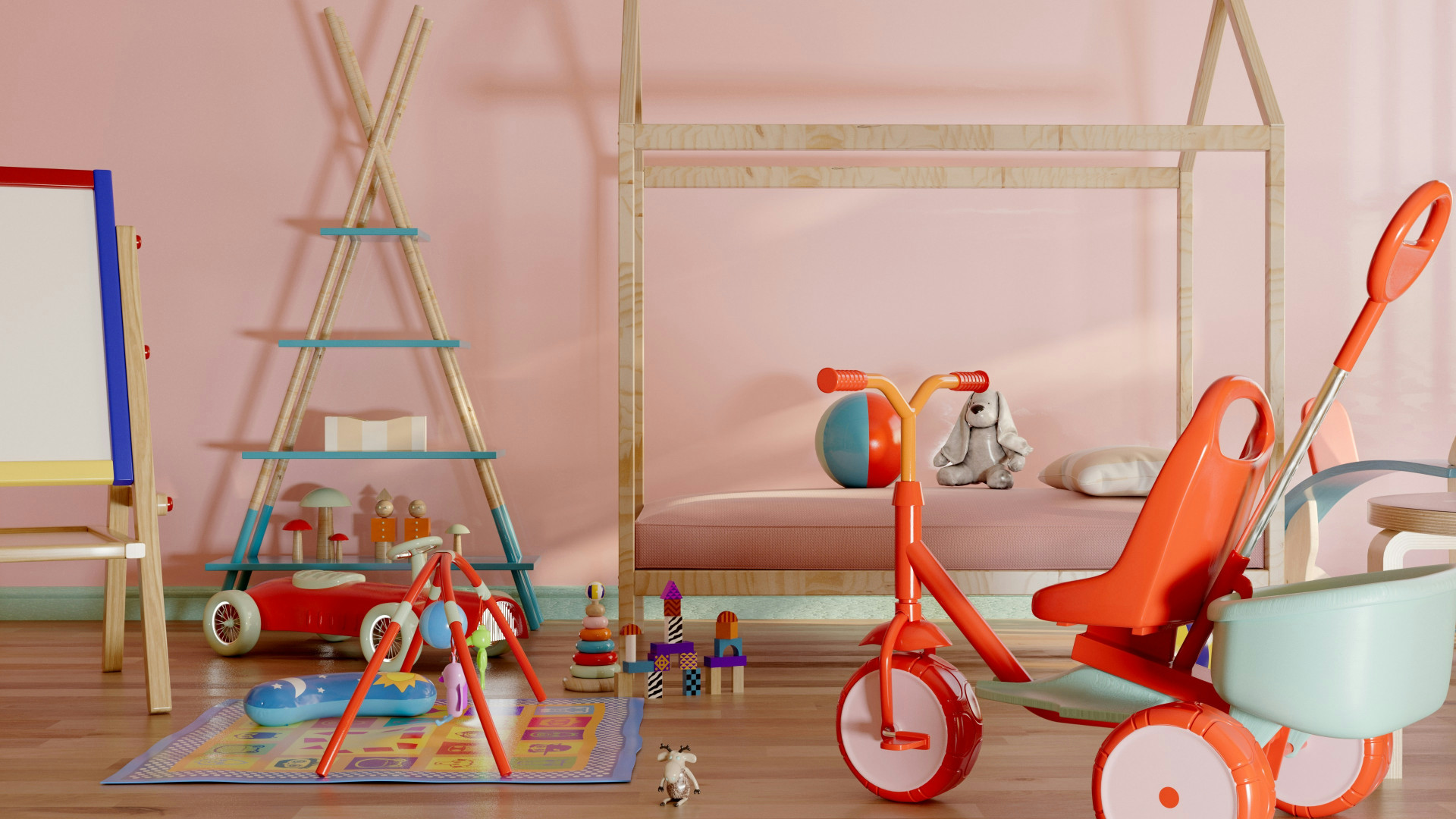
Discover how observing children’s play can guide the creation of inspiring and supportive learning environments
Game
Game
3 min
Children’s play offers valuable insights into their thinking, collaboration, and creativity. Learn how purposeful observation can help educators and parents design play spaces that foster curiosity, confidence, and social development.
Alaina Meyer
Alaina
Meyer

What Children’s Play Reveals – How to Use Observations to Develop the Play Environment

Discover how observing children’s play can guide the creation of inspiring and supportive learning environments
Game
Game
3 min
Children’s play offers valuable insights into their thinking, collaboration, and creativity. Learn how purposeful observation can help educators and parents design play spaces that foster curiosity, confidence, and social development.
Alaina Meyer
Alaina
Meyer

When children play, they communicate far more than we might notice at first glance. Their play reveals how they understand the world, how they collaborate, and what challenges they seek. For educators, parents, and anyone designing play environments, these moments are a treasure trove of insight. By observing children’s play systematically, we can create spaces that nurture curiosity, creativity, and social growth. Here’s how you can use observation as a tool to develop a more engaging and supportive play environment.

Play as a Window into Development

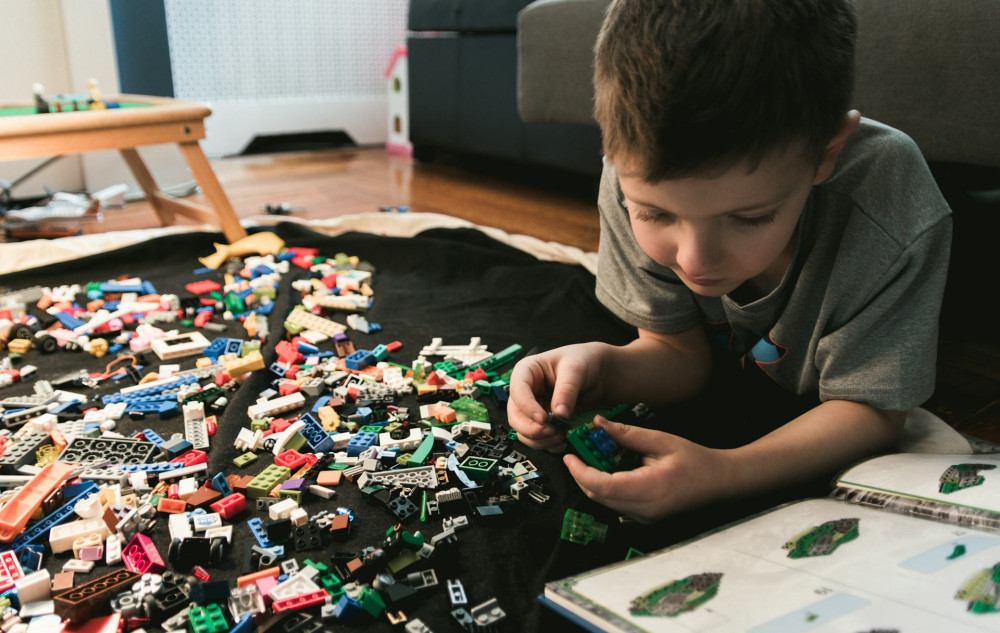
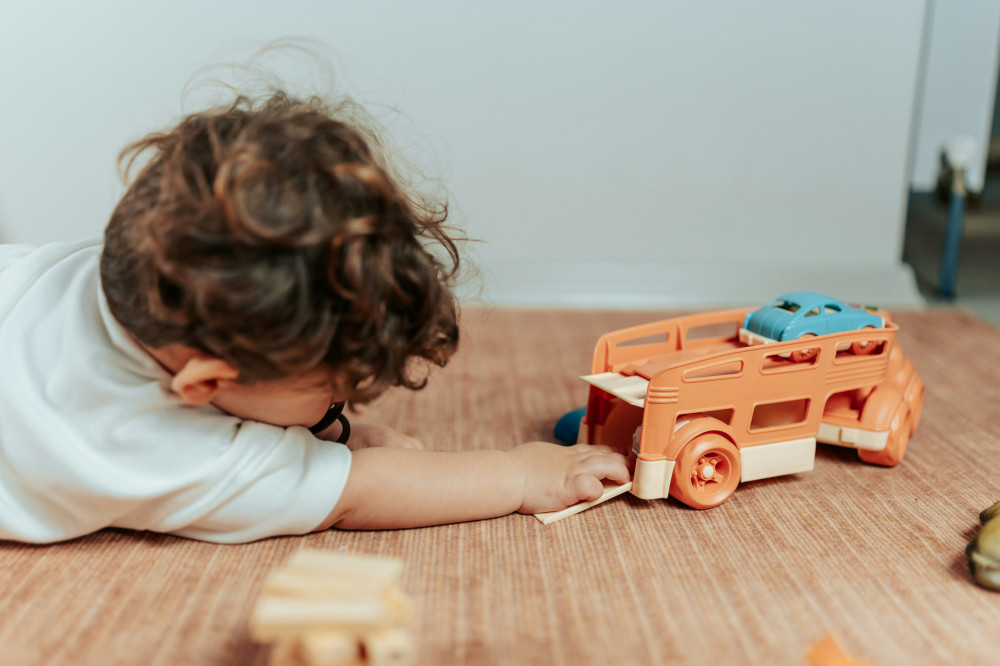
Children’s play is never random. It reflects their thoughts, emotions, and needs. When a child builds towers, acts out stories, or experiments with materials, they are exploring how things work and testing their own abilities. Play is a language—and observation is how we learn to understand it.

By watching how children engage with toys and materials, you can gain insight into:

  • Motor skills – how they grasp, balance, stack, or move.
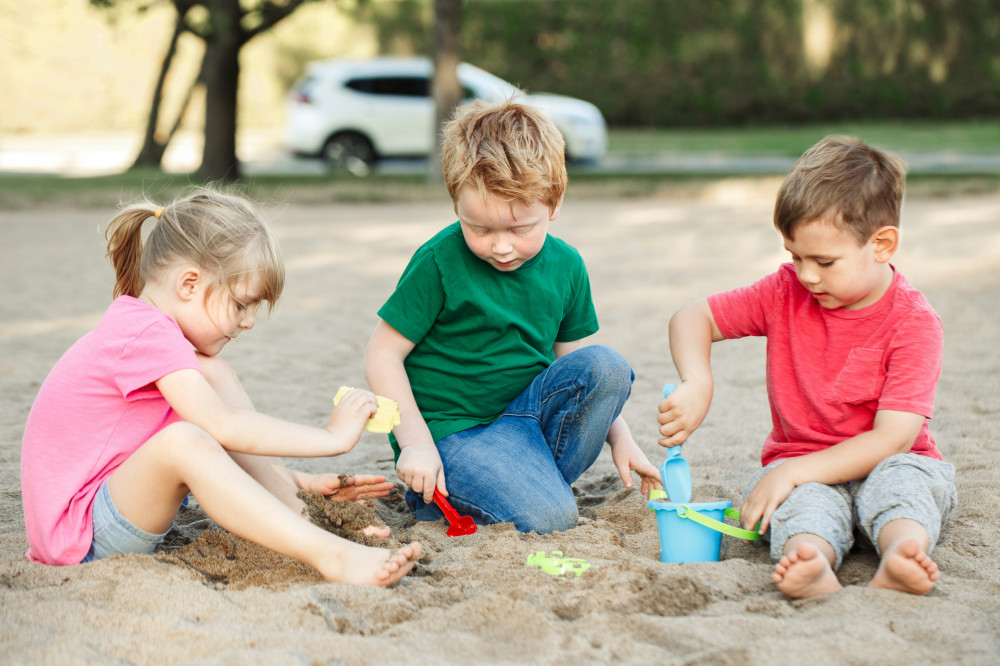
  • Social skills – how they cooperate, negotiate, and share.
  • Creativity and problem-solving – how they invent new uses for familiar objects.
  • Emotional development – how they express joy, frustration, or pride.

When we view play as a form of learning, observation becomes a way to understand what children need and what motivates them.

How to Observe with Purpose

Observation isn’t about supervision—it’s about curiosity. It means slowing down and watching play unfold without stepping in too quickly. Start by asking yourself a few simple questions:

  • What do the children choose to play with—and what do they ignore?
  • How do they use the materials? As intended, or in new and surprising ways?
  • What kinds of play emerge spontaneously?
  • How do they interact with one another during play?

Take notes during or shortly after playtime. Over time, patterns will emerge. You might notice that certain toys consistently bring children together, while others rarely get used. These insights can guide how you adjust the environment to better support engagement and exploration.

Creating Environments That Invite Play

A great play environment doesn’t have to be filled with the newest or most high-tech toys. It’s more about variety, accessibility, and flexibility. Observations can help you find the right balance between structure and freedom.

  • Design zones for different types of play – for example, a building area, a pretend-play corner, and a quiet space for focused activities.
  • Offer open-ended materials – blocks, fabric, natural items, and recycled materials encourage imagination.
  • Make materials easy to reach – children play more independently when they can choose and put away toys themselves.
  • Refresh the environment regularly – rotate toys, rearrange furniture, or introduce new themes when play seems to stall.

When children see that their ideas influence their surroundings, their confidence and creativity flourish.

Using Observations as a Tool for Dialogue

Observations can also spark meaningful conversations—with colleagues, parents, and even the children themselves. Share what you’ve noticed and invite others’ perspectives. A colleague might see a child’s teamwork skills in one type of play, while you’ve observed something different in another. Together, you can build a fuller picture of the child’s development.

With children, observations can help them reflect on their own learning: “I saw you built a really tall tower today—how did you figure out how to make it stand?” These small conversations help children recognize their own problem-solving and creativity.

From Observation to Action

Observations only become valuable when they lead to action. Use what you see to adjust the environment, introduce new materials, or modify routines. If you notice that children often use building blocks for storytelling, add figures or fabrics to support their narratives. If some children tend to withdraw from group play, create smaller, cozier spaces where they can engage more comfortably.

Even small changes can make a big difference—especially when they’re based on real insight into how children play and learn.

Play as a Compass

Observing children’s play is like following a compass that points toward their interests and needs. It takes time, patience, and openness, but the reward is worth it: a play environment that not only entertains but truly supports growth. When we listen to what play reveals, we become better at creating spaces where children thrive, learn, and discover—on their own terms.

Toys That Spark Curiosity – When Children Learn Through Play and Experimentation
Discover how playful exploration helps children understand the world around them
Game
Game
Child Development
Learning Through Play
Educational Toys
Parenting
Creativity
4 min
Play is more than entertainment—it’s a powerful way for children to learn, experiment, and grow. Explore how toys that encourage creativity and hands-on discovery can nurture curiosity, confidence, and a lifelong love of learning.
Olivia Rivera
Olivia
Rivera
Educational toys that strengthen children’s bodies and minds
Discover how the right toys can nurture both physical growth and mental development
Game
Game
Educational Toys
Child Development
Learning Through Play
Parenting
Early Education
4 min
Educational toys do more than entertain—they help children build strength, coordination, creativity, and social skills. Learn how to choose toys that inspire learning through play and support your child’s overall development.
Saoirse Fisher
Saoirse
Fisher
From Building Blocks to Apps – How Interactive Toys Have Transformed Children’s Play
From classic toys to digital companions – discover how technology is reshaping the way children play and learn
Game
Game
Children’s Toys
Digital Play
Learning
Parenting
Technology
7 min
Explore the evolution of children’s play from traditional building blocks to interactive apps and smart toys. Learn how digital innovation is changing creativity, learning, and social interaction – and what this means for parents and the future of play.
Ellie Edwards
Ellie
Edwards
Safety First: How to Choose Toys Wisely
Make playtime fun and worry-free with smart toy choices
Game
Game
Toy Safety
Parenting
Child Development
Family
Buying Guide
4 min
Choosing the right toys is about more than fun — it’s about safety. Learn how to identify age-appropriate, non-toxic, and well-made toys that encourage creativity while keeping children protected.
Jackson Phillips
Jackson
Phillips
What Children’s Play Reveals – How to Use Observations to Develop the Play Environment
Discover how observing children’s play can guide the creation of inspiring and supportive learning environments
Game
Game
Child Development
Play-Based Learning
Early Education
Observation
Learning Environment
3 min
Children’s play offers valuable insights into their thinking, collaboration, and creativity. Learn how purposeful observation can help educators and parents design play spaces that foster curiosity, confidence, and social development.
Alaina Meyer
Alaina
Meyer
Three Ways of Learning – How to Support Your Child’s Individual Learning Style
Discover how to nurture your child’s potential by understanding their unique way of learning
Child
Child
Learning Styles
Parenting
Child Development
Education
Study Tips
2 min
Every child learns differently — some through seeing, others through listening, and some by doing. Learn how to identify your child’s learning style and explore practical ways to support their growth, confidence, and love of learning.
Olivia Rivera
Olivia
Rivera
Cardboard Boxes and Rocks as Toys? Unleash Kids’ Creativity with Simple Materials
Rediscover the magic of play with everyday objects that spark imagination
Child
Child
Creative Play
Parenting
Child Development
Imagination
Simple Toys
3 min
From cardboard boxes to pebbles and sticks, simple materials can inspire endless creativity in children. Learn how unstructured play with ordinary items helps kids develop problem-solving skills, independence, and a lifelong love of imagination.
Saoirse Fisher
Saoirse
Fisher
Digital Citizenship: How to Talk to Your Child About Respect and Responsibility Online
Help your child build healthy online habits through open conversations about respect and responsibility
Child
Child
Digital Citizenship
Parenting
Online Safety
Children
Responsibility
4 min
The digital world is full of opportunities—and challenges—for children. Learn how to guide your child toward positive online behavior, encourage empathy and accountability, and strengthen trust as they explore life on the internet.
Ellie Edwards
Ellie
Edwards
Make Everyday Routines Cozy – From Brushing Teeth to Getting Dressed with Little Kids
Turn daily routines into moments of warmth, play, and connection with your little ones
Child
Child
Parenting
Family Life
Daily Routines
Toddlers
Connection
4 min
Discover how to transform everyday tasks like brushing teeth, getting dressed, and mealtimes into cozy, joyful experiences. With a few simple shifts, you can create calm, connection, and fun in the rhythm of family life.
Jackson Phillips
Jackson
Phillips
Know Your Child’s Developmental Leaps: How to Recognize the Natural Stages of Growth
Understand the key moments in your child’s growth and learn how to nurture each stage with confidence
Child
Child
Child Development
Parenting
Growth Stages
Family
Child Psychology
3 min
Every child develops in unique leaps that shape their abilities, emotions, and independence. Discover how to recognize these natural stages of growth, what changes to expect, and how to support your child through each new phase of development.
Alaina Meyer
Alaina
Meyer
Family Unity: Strengthen Bonds Through Shared Experiences
Discover how shared moments can bring your family closer together
Family
Family
Family
Relationships
Parenting
Togetherness
Wellbeing
6 min
In a world filled with busy schedules and constant distractions, building strong family connections takes intention. Learn how shared experiences—both everyday and special—can strengthen bonds, create lasting memories, and nurture a sense of unity at home.
Olivia Rivera
Olivia
Rivera
Routines That Bring Calm – Balancing Work and Family Life
Simple daily habits to help you find peace amid the demands of work and family life
Family
Family
Work-Life Balance
Family
Wellbeing
Productivity
Mindfulness
2 min
Discover how small, intentional routines can bring calm and balance to your busy days. Learn practical ways to set boundaries, stay focused, and create moments of rest that support both your career and your home life.
Saoirse Fisher
Saoirse
Fisher