Safety First: How to Choose Toys Wisely

Safety First: How to Choose Toys Wisely
Toys are meant to spark joy, creativity, and curiosity — but they should also be safe. Every year, thousands of children in the United States are treated for toy-related injuries, many of which could have been prevented. With so many options on the market, it can be hard to know what’s truly safe. Here’s a guide to help parents, grandparents, and caregivers make smart, safety-conscious choices when buying toys.
Understand Age Recommendations — They Matter
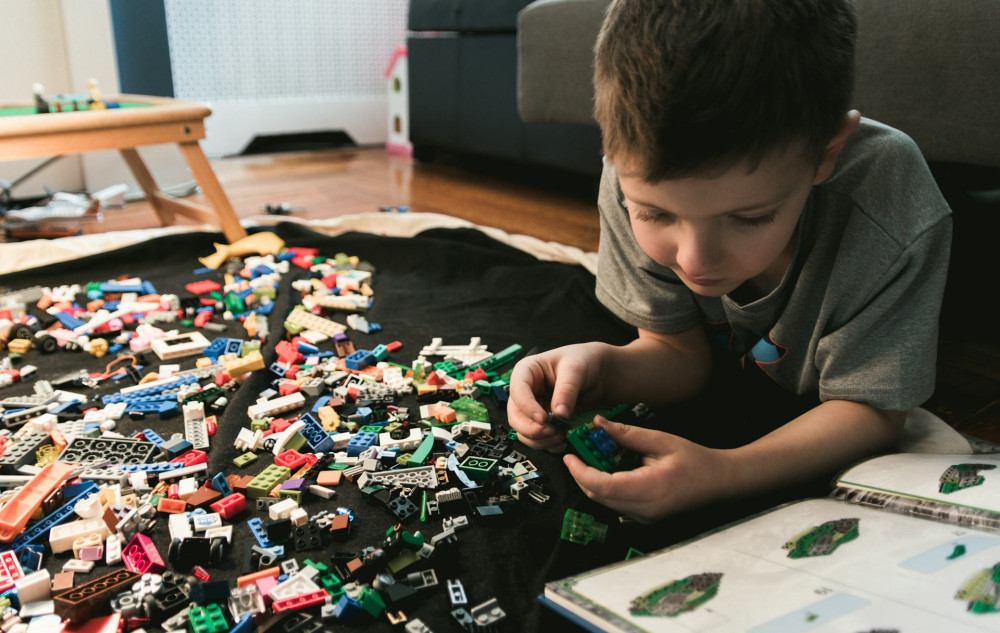
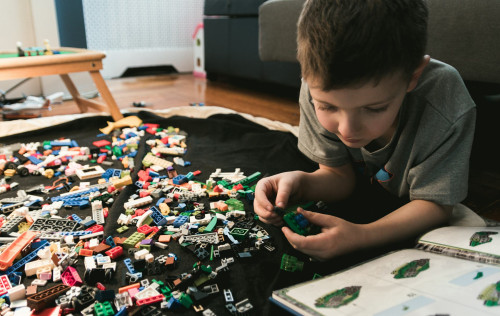
Age labels on toys aren’t just about skill level or interest; they’re also about safety. Young children explore the world with their mouths, and small parts can pose serious choking hazards.
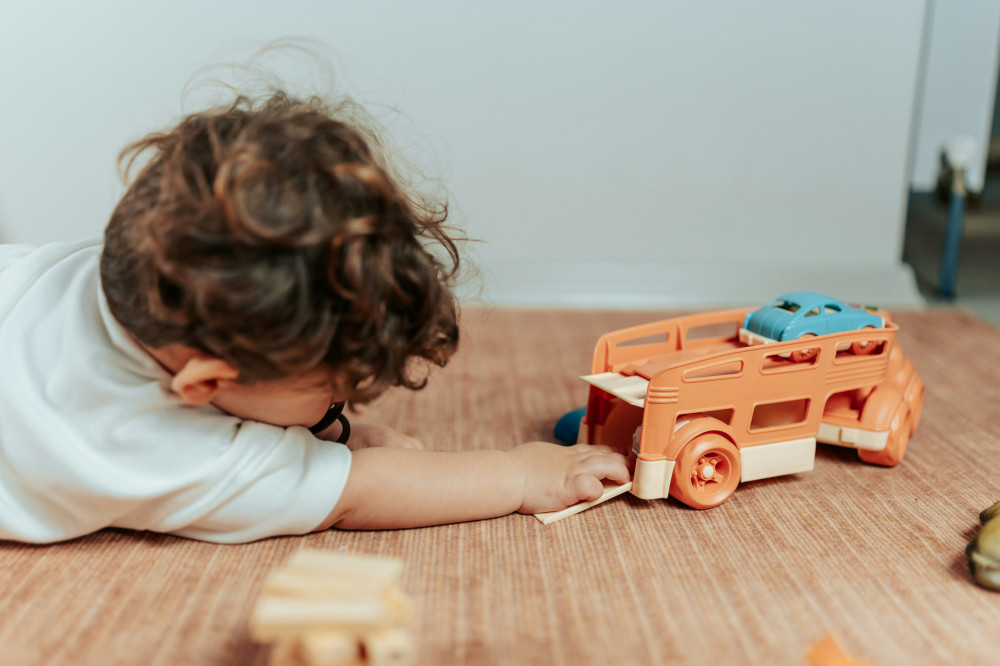
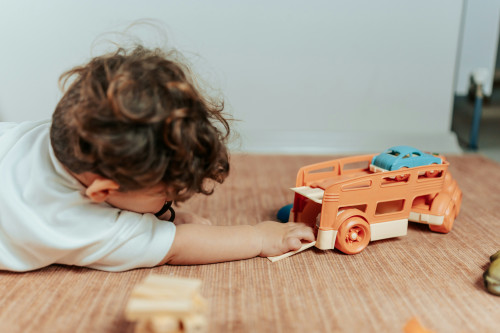
- Under 3 years: Avoid toys with small detachable parts, magnets, or button batteries that could be swallowed.
- Ages 3–6: Choose sturdy toys without sharp edges or easily breakable pieces.
- Ages 6 and up: More complex toys are fine, but they should still be durable and free from hazardous materials.
Always look for the “ASTM” label, which means the toy meets safety standards set by the American Society for Testing and Materials. It’s not a guarantee of quality, but it’s an important baseline for safety.
Pay Attention to Materials and Chemicals
Children handle toys constantly — and often put them in their mouths — so it’s important to know what they’re made of. Avoid toys with a strong chemical or plastic smell, which can indicate the presence of harmful substances.
- Plastic toys: Look for labels such as BPA-free or phthalate-free.
- Wooden toys: Choose those with non-toxic finishes or water-based paints.
- Stuffed toys: Wash plush animals and fabric toys before use to remove dust and excess dyes.
Eco-friendly certifications like Greenguard or OEKO-TEX can offer extra reassurance that a product meets health and environmental standards.
Læs også:
Buy from Trusted Retailers
It can be tempting to buy inexpensive toys from online marketplaces, but not all sellers follow U.S. safety regulations. Some imported toys may lack proper labeling or contain materials banned in the United States.
Purchase from reputable retailers or directly from known brands. Check that the packaging lists the manufacturer’s name, contact information, and safety certifications. If a deal seems too good to be true, it probably is.
Inspect Toys Regularly
Even the safest toy can become dangerous if it’s damaged. Loose parts, cracks, or frayed cords can turn playtime into a hazard. Make it a habit to inspect toys regularly — especially those used outdoors or shared among multiple children.
Throw away broken toys instead of trying to fix them with tape or glue. Quick fixes rarely hold up and can create new risks.
Safe Use Is Part of Safety
A well-made toy can still be unsafe if used incorrectly. Always read the instructions and show your child how to play safely. For example, scooters, bikes, and skates should always be paired with helmets and protective gear, and electric or battery-powered toys should be used under adult supervision.
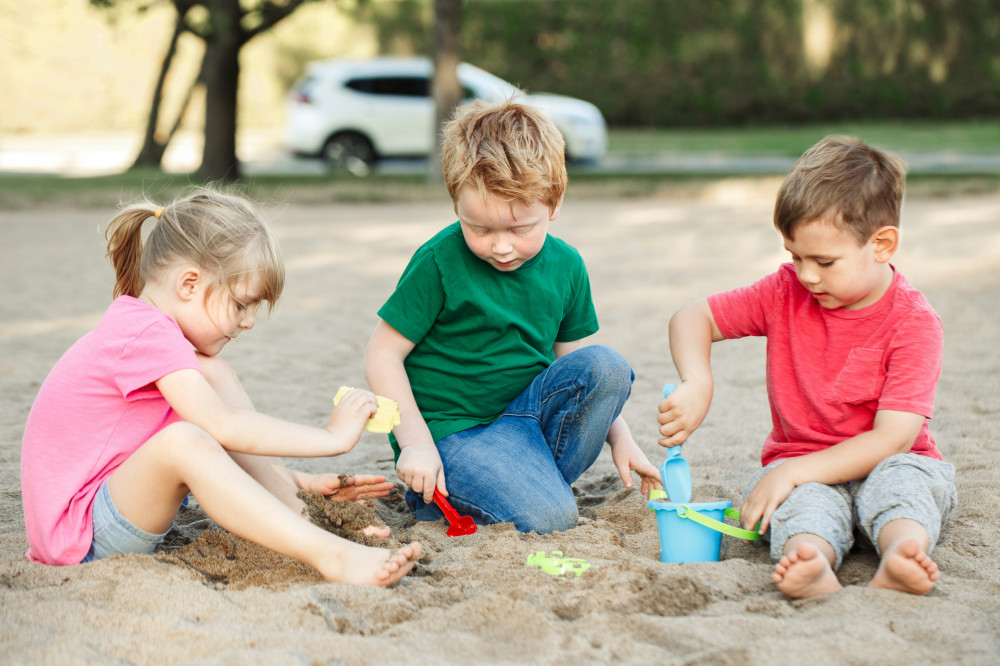
For younger children, playing together is the best safety measure. It not only keeps them safe but also strengthens your bond and helps you see how they learn and grow through play.
Encourage Imagination — Safely
Safe toys don’t have to be boring. Simple, durable items like blocks, balls, and dolls can inspire endless creativity. The goal is to balance fun and imagination with safety and responsibility.
By choosing toys thoughtfully, you’re doing more than preventing accidents — you’re teaching children that safety and care are part of everyday life. And that’s a lesson that lasts well beyond childhood.
Læs også: